Quick facts
What to know before you go
Benxi Water Cave — The Underground River Journey That Still Feels Stranger Than Its Marketing is a curated China Hidden Gems destination in Liaoning, selected for travelers who want the place, timing, effort, and logistics in one scan.
- Administrative location
- Benxi, Liaoning
- Chinese name
- 本溪水洞 · Benxi Shuidong
- Best season
- May to October
- Difficulty
- Easy
- Time needed
- Half day to full day
- Typical cost
- $$
- Getting there
- Treat Benxi as a cave-route destination with queue-sensitive timing rather than as a broad all-day open-air scenic park.
Official planning links
Editorial briefing
Why this place works
A rights-safe guide to Benxi Water Cave for travelers deciding whether this underground river cave deserves a dedicated day trip, with practical notes on boat-ride expectations, cave climate, scenic-area packaging, and why Benxi works best as a subterranean route rather than as a superlative-driven gimmick stop.
Why go
- A rights-safe guide to Benxi Water Cave for travelers deciding whether this underground river cave deserves a dedicated day trip, with practical notes on boat-ride expectations, cave climate, scenic-area packaging, and why Benxi works best as a subterranean route rather than as a superlative-driven gimmick stop.
- Benxi Water Cave — The Underground River Journey That Still Feels Stranger Than Its Marketing gives travelers a concrete reason to plan around Benxi, liaoning, not just a generic first-trip city list.
- It is strongest for cave, underground river, boat route, with enough practical context to compare timing, difficulty, and onward route fit.
Turn this into a trip
Save Benxi Water Cave — The Underground River Journey That Still Feels Stranger Than Its Marketing, then plan around it.
Keep this gem on your device, open it in your bucket list, or start a planner draft with the destination already filled in.
Trip planning intake
Ask whether Benxi Water Cave — The Underground River Journey That Still Feels Stranger Than Its Marketing fits your route.
This is a lightweight planning signal, not an instant concierge. Leave your trip context and a real question, and the team can reply manually after review.
Story visuals
Benxi Water Cave — The Underground River Journey That Still Feels Stranger Than Its Marketing
The Cave Day That Only Starts Making Sense Once You Board The Boat
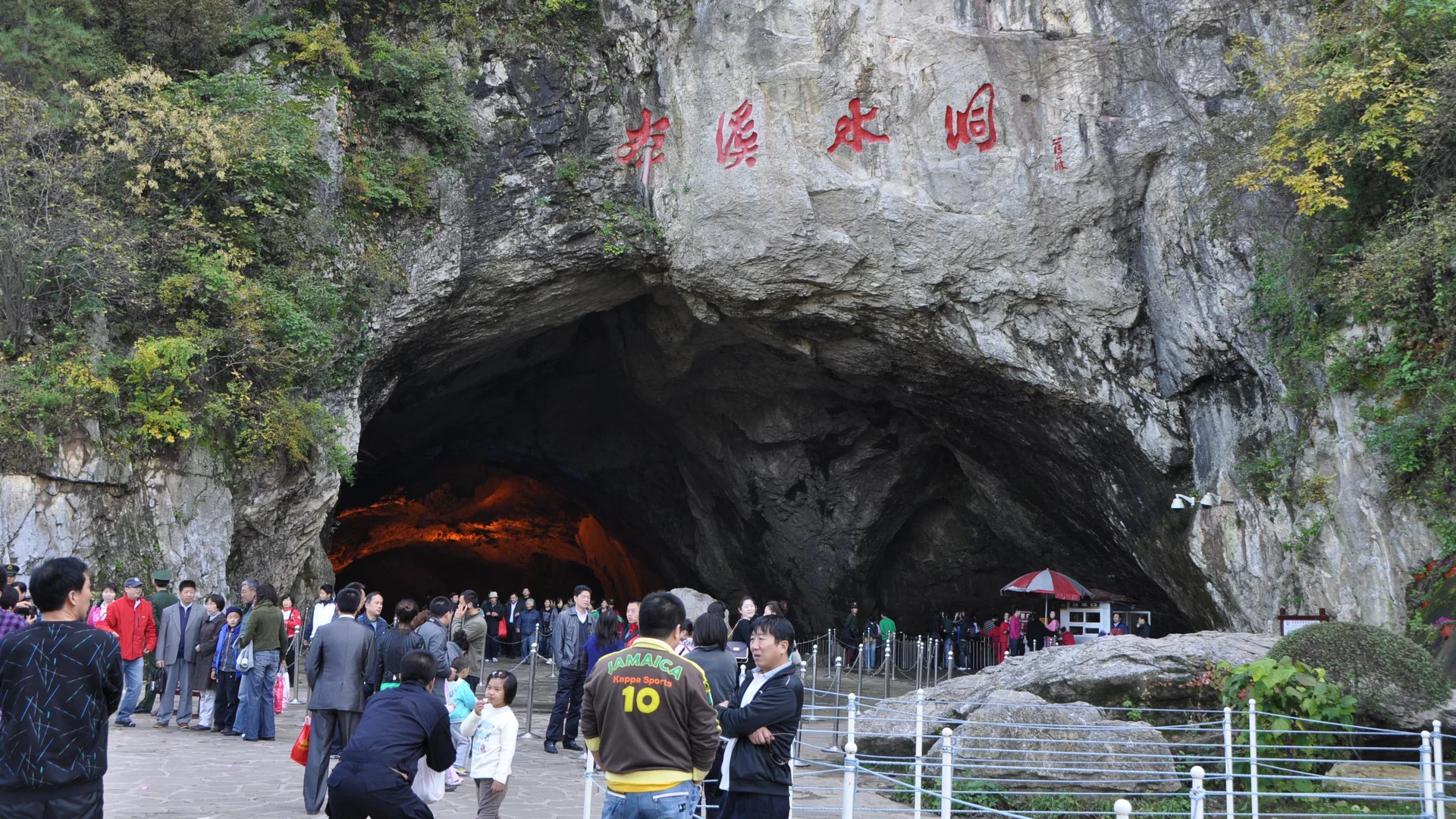
Benxi Water Cave sounds like one of those destinations whose reputation has been overinflated by tourism language. In some ways that suspicion is healthy. The site is often introduced through superlatives, rankings, and slogans that flatten the actual experience into a marketing claim. But the cave still works, and it works for a simpler reason: moving by boat through a genuine underground river remains physically unusual in a way that most packaged scenic spots cannot fake.
That distinction is important because the surface arrival does not fully explain the destination. Above ground, Benxi can feel like a familiar Chinese scenic-area frame with gates, ticketing logic, and supporting attractions gathered around one main draw. Below ground, the experience changes. The temperature drops, the light compresses, and the route becomes a navigable cave world whose scale is easier to believe once you are already inside it.
A premium page should hold both truths at once. Benxi is not a wild cave expedition, and it is not an untouched natural secret. It is a managed scenic area built around a cave route that is still genuinely memorable. The job of the page is to tell the traveler exactly where the substance lives: in the underground river, the shift in atmosphere, and the way the cave reorganizes your sense of distance and temperature.
Why It Works
First, Benxi is built around one strong main event. That clarity helps. The destination does not need an elaborate itinerary architecture or a long list of sub-attractions to justify itself. The boat route through the water cave is the reason to come, and the page becomes more trustworthy when it says that directly.
Second, the cave creates a credible sensory break from the rest of Liaoning’s travel palette. Coastal pages, autumn-color pages, and urban history pages all work through surface movement. Benxi works through enclosure, humidity, reflected light, and subterranean scale. That contrast alone makes it useful inside the larger destination pool.
Third, the route is legible even for travelers who are not normally cave-focused. Some geology-heavy sites require either specialist curiosity or a tolerance for abstraction. Benxi is easier to grasp because the boat movement turns the cave into a sequence. You are not simply staring at one chamber. You are passing through an environment, and that movement gives the destination its structure.
How To Shape The Visit
Start by setting expectations correctly. Benxi is strongest when treated as a cave-route day with one clear center of gravity. If the traveler expects a broad nature park with equal weight across multiple surfaces, the trip may feel lopsided. It is supposed to be lopsided. The cave is the point.
The second decision is crowd timing. Boat-based attractions almost always become weaker when queues dominate the emotional memory. That does not mean the destination fails when popular. It means that weekday timing or off-peak windows matter more here than they do at a purely open-air scenic page.
The third decision is tolerance for scenic-area packaging. Benxi is not anti-touristic. There is infrastructure, there are supporting attractions, and some of the lighting inside the cave is clearly designed for public presentation rather than for pure naturalism. The right move is not to deny that. The right move is to understand that the core experience can still be good even inside a managed frame.
A fourth decision is temperature and clothing. Cave pages often sound easy until travelers forget that the interior climate follows its own logic. Benxi is much more comfortable when the visitor treats the cave as a cool, damp interior environment rather than as an extension of the weather outside.
What To Prioritize
Prioritize the boat route itself. This sounds obvious, but it matters. Travelers sometimes dilute cave destinations by trying to distribute their attention evenly across everything in the scenic area. At Benxi, the route is the product. Everything else should be judged according to whether it supports that experience.
Prioritize curiosity over spectacle hunting too. The cave becomes more rewarding when the traveler notices the river movement, the chamber scale, the shifting acoustics, and the strange mixture of stillness and slow transit. If the visitor only asks whether one formation is photogenic enough, the day gets thinner very quickly.
It is also worth prioritizing honesty about presentation. Some cave lighting and tourism framing will feel managed. That is not a secret. But the more important question is whether the underground river experience still carries enough physical force to justify the trip. In Benxi’s case, it does.
A final priority is protecting the cave from its own slogans. The page should not oversell records, rankings, or promotional exaggerations. The destination is stronger when described plainly as a managed scenic area whose core subterranean route is still genuinely distinctive.
What Can Go Wrong
The first mistake is expecting wilderness. Benxi is not a raw adventure site. Travelers who arrive wanting untouched speleology will misunderstand the destination from the start.
The second mistake is undervaluing it because of the scenic-area packaging. That reaction is understandable but incomplete. The managed frame is real, yet the boat route still does something most destinations cannot replicate.
The third mistake is poor timing. Long waits, crowded boats, and overcompressed day-trip schedules can flatten the experience. Benxi is much better when the traveler protects enough time and chooses a lower-friction window.
Who Should Save It
Save Benxi Water Cave if you like cave routes, subterranean environments, and destinations whose value comes from physically entering a different kind of space. It is especially strong for travelers who want a Liaoning page that feels unlike the province’s better-known coastal and autumn-color surfaces.
It is weaker for travelers who dislike managed scenic areas, who only want open-air landscapes, or who expect cave tourism to feel rugged and untouched. Benxi is worth it when the traveler accepts a curated frame around a still-convincing underground main event.
What To Confirm Before You Go
Before finalizing the trip, confirm crowd timing, be realistic about scenic-area presentation, and decide whether a cave-route day is actually what you want. The honest promise is simple: Benxi is rewarding when you travel for the underground river itself rather than for the slogans built around it.
Traveler actions
Save, check in, share, and help other travelers judge whether this place is worth the trip.
Traveler Comments
Share your Benxi Water Cave — The Underground River Journey That Still Feels Stranger Than Its Marketing experience
Continue exploring
More in liaoning
View all →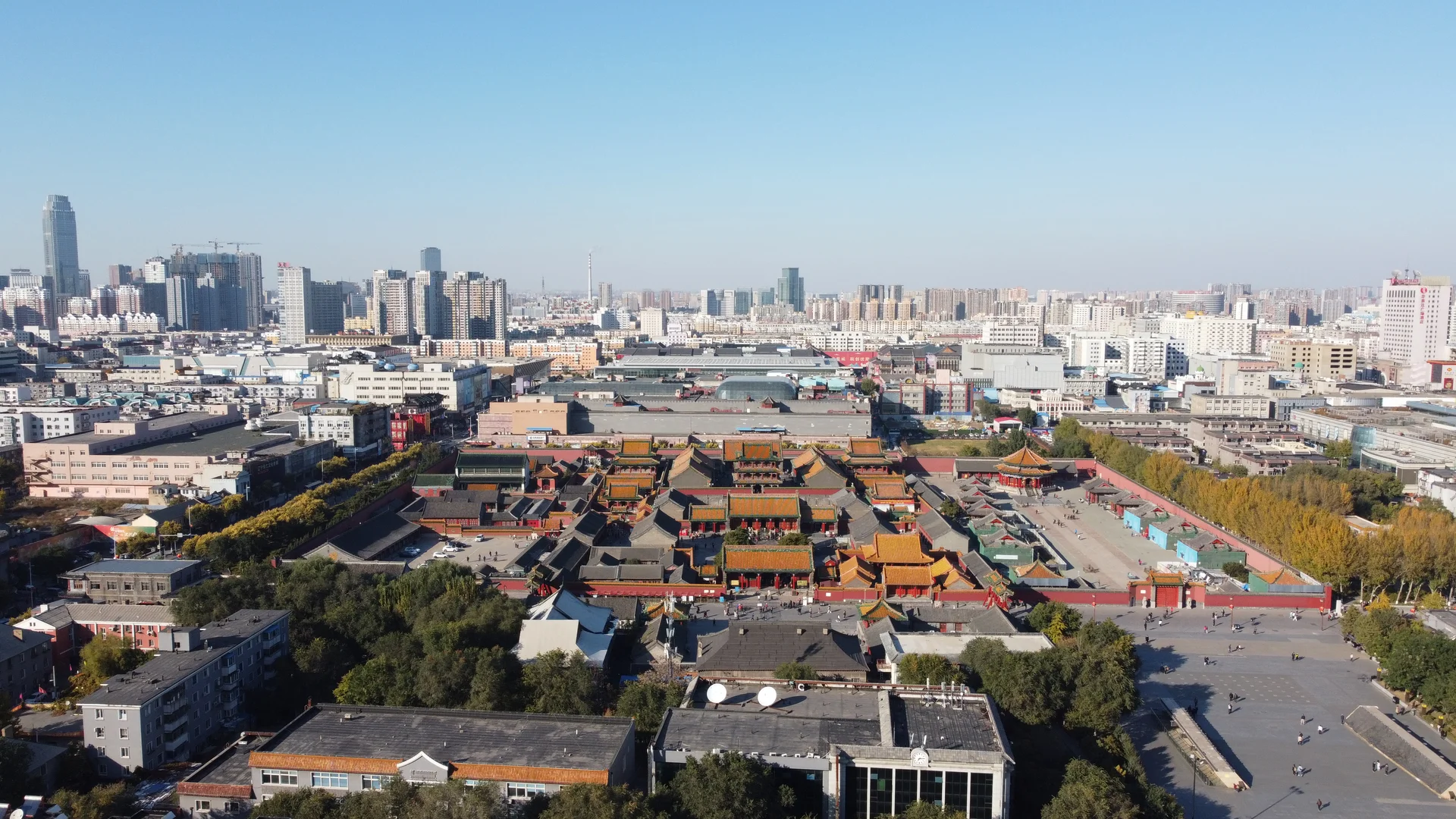 liaoning
 Shenyang Imperial Palace — The Qing Founding Palace That Feels More Legible Than Beijing's Forbidden City
沈阳故宫 · Shenyang Gugong
A rights-safe guide to the Shenyang Imperial Palace for travelers deciding whether this Liaoning palace-museum deserves focused time, with practical notes on dynastic context, architectural readability, and why the site works best as a founding-Qing palace rather than as a smaller substitute for Beijing.
- liaoning
- April to June and September to October
- Easy
 liaoning
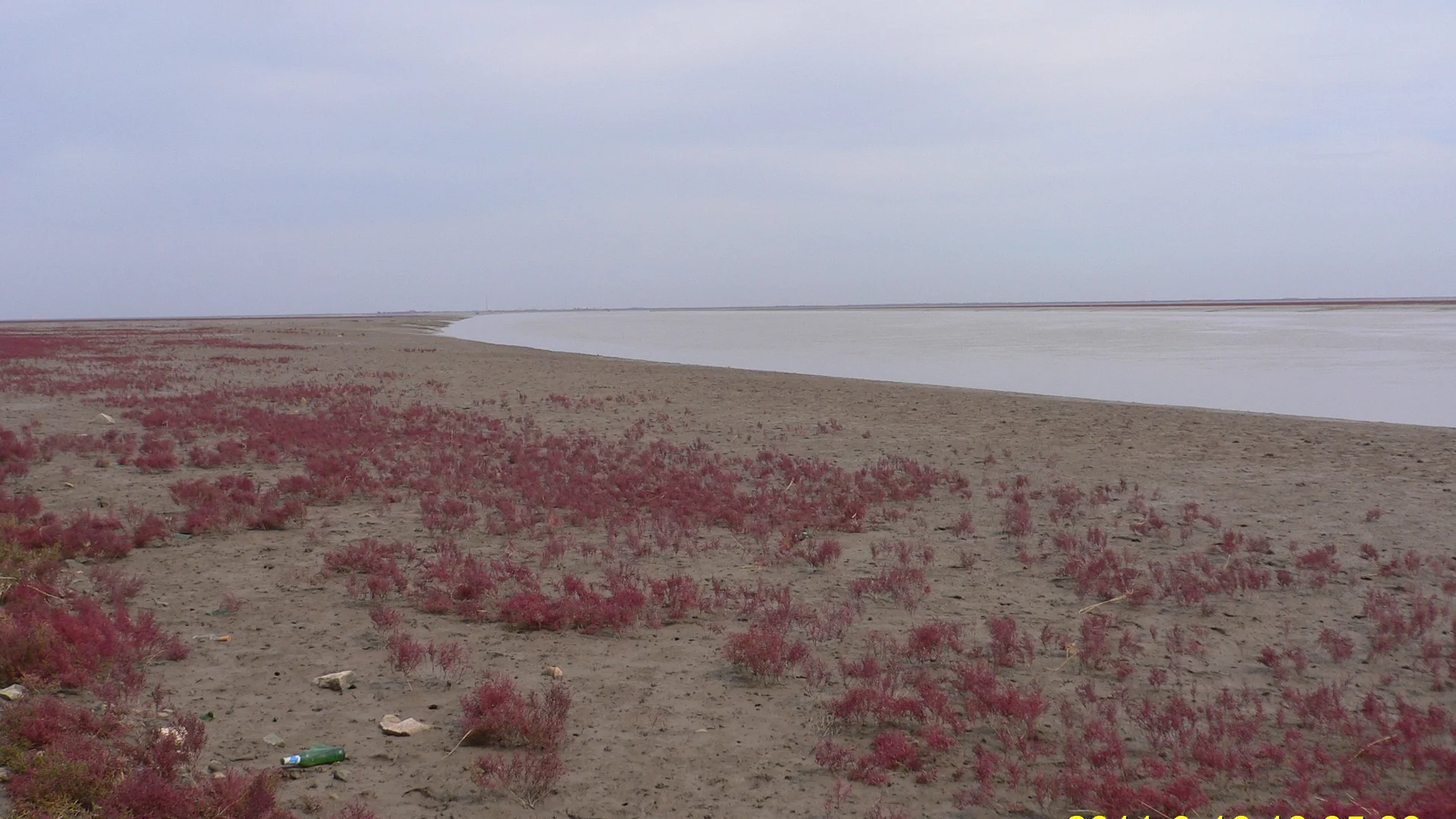
 Panjin Red Beach — The Wetland Corridor That Only Works When You Respect Seasonality
盘锦红海滩 · Panjin Honghaitan
A rights-safe guide to Panjin Red Beach for travelers deciding whether the autumn wetland is really worth the trip, with honest notes on color timing, boardwalk expectations, ecological context, and why the destination works best as a seasonal corridor rather than a guaranteed scarlet postcard.
- liaoning
- September to October
- Easy