Quick facts
What to know before you go
Vertical Chongqing - A Three-Day Route Through China's Mountain City is a curated China Hidden Gems destination in Chongqing, selected for travelers who want the place, timing, effort, and logistics in one scan.
- Administrative location
- Chongqing
- Chinese name
- 重庆 · Chongqing
- Best season
- March to May and September to November
- Difficulty
- Easy
- Time needed
- 2-3 days
- Typical cost
- $$
- Getting there
- Use Chongqing rail transit, walking routes, taxis, and river-area base planning rather than chasing every viral spot.
Official planning links
Editorial briefing
Why this place works
A practical city-route guide to Chongqing: Hongya Cave, Liziba, river viewpoints, night skyline, hot pot, vertical streets, base areas, and how to turn viral visuals into a sane 2-3 day plan.
Why go
- A practical city-route guide to Chongqing: Hongya Cave, Liziba, river viewpoints, night skyline, hot pot, vertical streets, base areas, and how to turn viral visuals into a sane 2-3 day plan.
- Vertical Chongqing - A Three-Day Route Through China's Mountain City gives travelers a concrete reason to plan around Chongqing, chongqing, not just a generic first-trip city list.
- It is strongest for city, nightlife, food, with enough practical context to compare timing, difficulty, and onward route fit.
Turn this into a trip
Save Vertical Chongqing - A Three-Day Route Through China's Mountain City, then plan around it.
Keep this gem on your device, open it in your bucket list, or start a planner draft with the destination already filled in.
Trip planning intake
Ask whether Vertical Chongqing - A Three-Day Route Through China's Mountain City fits your route.
This is a lightweight planning signal, not an instant concierge. Leave your trip context and a real question, and the team can reply manually after review.
Story visuals
Vertical Chongqing - A Three-Day Route Through China's Mountain City
The Viral City Needs A Real Route
Chongqing looks like the internet invented it: trains sliding through buildings, bridges stacked over rivers, towers rising from hills, hot pot steam, and a night skyline that seems to fold in on itself. It is one of the easiest China cities to sell visually, but that is also the trap. A good Chongqing page should not be a pile of viral moments. It should turn the spectacle into a route that a traveler can actually use.
For this pilot batch, Chongqing is a city-level destination. Baodingshan and Dazu can be mentioned as optional context later, but they should not steal the canonical focus. The core page is about the mountain city: Yuzhong, river viewpoints, transit moments, food, night walking, and the practical decision of where to base yourself.
Why It Works
Chongqing works for dreaming users because the city has immediate visual identity. It does not look interchangeable with Beijing, Shanghai, or Chengdu. The terrain changes everything. Streets stack above one another, metro lines curve through dense neighborhoods, and the rivers give the skyline a stage.
It works for planning users because the questions are concrete. Where should I stay? Which viral stops are worth ten minutes and which deserve a full evening? How spicy is the food reality? How much walking is hidden inside a "short" route? These are the questions that separate a useful guide from social-media slop.
It also supports the product's tool spine. Chongqing is perfect for "Plan around this place" because route order matters. A three-day prompt can meaningfully change the trip: night views together, food with walkable recovery, transit moments during daylight, and optional day trips kept separate from the core city route.
A Sane Three-Day Shape
Use Yuzhong or a nearby central area as the planning anchor if you want first-trip convenience. From there, build the route around clusters instead of jumping across the municipality. One day can focus on Jiefangbei, Hongya Cave, river edges, and night views. Another can add Liziba, rail-transit moments, older streets, and a slower food plan. A third can be flexible: more viewpoints, museums, neighborhood wandering, or an optional heritage side trip if transport checks out.
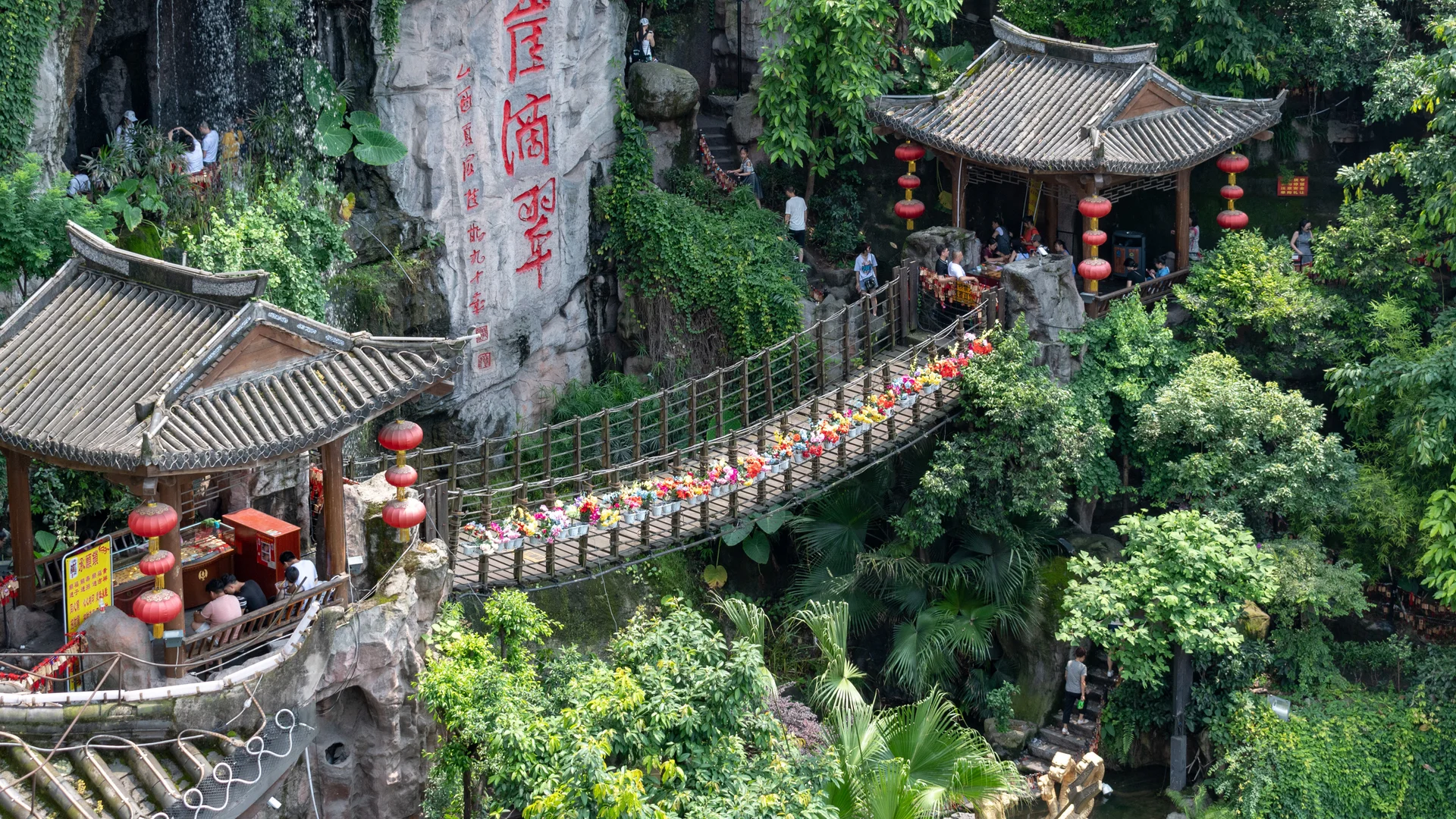
Hongya Cave is best treated as a night-view stop, not a full cultural explanation of Chongqing. It is dramatic, crowded, and photogenic. Arrive with patience, know that the best view may be from outside rather than inside, and do not make it the only reason to visit the city.
Liziba is similar. The rail line passing through the building is a genuine Chongqing image, but it is a short stop. Make it part of a transit-and-city-texture day, not the center of the trip. The newly ingested Liziba rail image is useful because it shows the idea without relying on downloaded social video.
Food, Heat, And Vertical Walking
Chongqing hot pot deserves attention, but the guide should avoid turning food into a dare. The useful advice is to respect spice, pick a comfort level, and build a meal plan that does not make the next walking section miserable. Travelers who do not speak Chinese should expect less hand-holding in some local spots and more ease in central areas.
The city is vertical. This sounds obvious until your map says a place is close and your legs discover the elevation change. Elevators, stairs, overpasses, and sloped streets are part of the experience. They are also why a compact route is smarter than an ambitious map full of pins.
Who Should Save It
Save Chongqing if you like cities that feel physical: dense, loud, layered, and slightly disorienting in the best way. It is strong for photographers, food-first travelers, transit nerds, night-walk people, and anyone who wants China to feel less polished and more kinetic.
It is weaker if you need flat walking, mild food by default, quiet evenings, or a city that explains itself immediately. Chongqing rewards curiosity and a little tolerance for confusion.
What To Confirm Before You Go
Before drafting a final route, confirm current access and crowd guidance for Hongya Cave viewpoints, Liziba viewing areas, river crossings, and any day trip beyond the city core. Keep the promise grounded: Chongqing is visually extraordinary, but the product value is helping a traveler move through it without turning the trip into a scavenger hunt for viral clips.
How To Use This Page In The Tools
Chongqing is the clearest pilot page for route tooling. The city has too many tempting pins, and that is exactly why a planner handoff is useful. A good prompt should ask for a two or three day route based in central Chongqing, grouping Hongya Cave, river views, Liziba, food, and night walking without crossing the city too many times.
The budget tool also matters here. Chongqing can be approachable, but the cost experience changes depending on hotel base, taxis, restaurants, and how many paid attractions or day trips get added. The page should lead users toward estimating a realistic city stay instead of assuming every viral stop is free and effortless.
For social distribution, Chongqing should map back to one canonical page with UTM links. Short clips and X threads can tease Hongya Cave, Liziba, and hot pot, but the website should remain the trust layer where rights-safe media, source notes, and route caveats live. That separation keeps the brand from becoming another recycled cyberpunk-content account.
Traveler actions
Save, check in, share, and help other travelers judge whether this place is worth the trip.
Traveler Comments
Share your Vertical Chongqing - A Three-Day Route Through China's Mountain City experience
Continue exploring
More in chongqing
View all →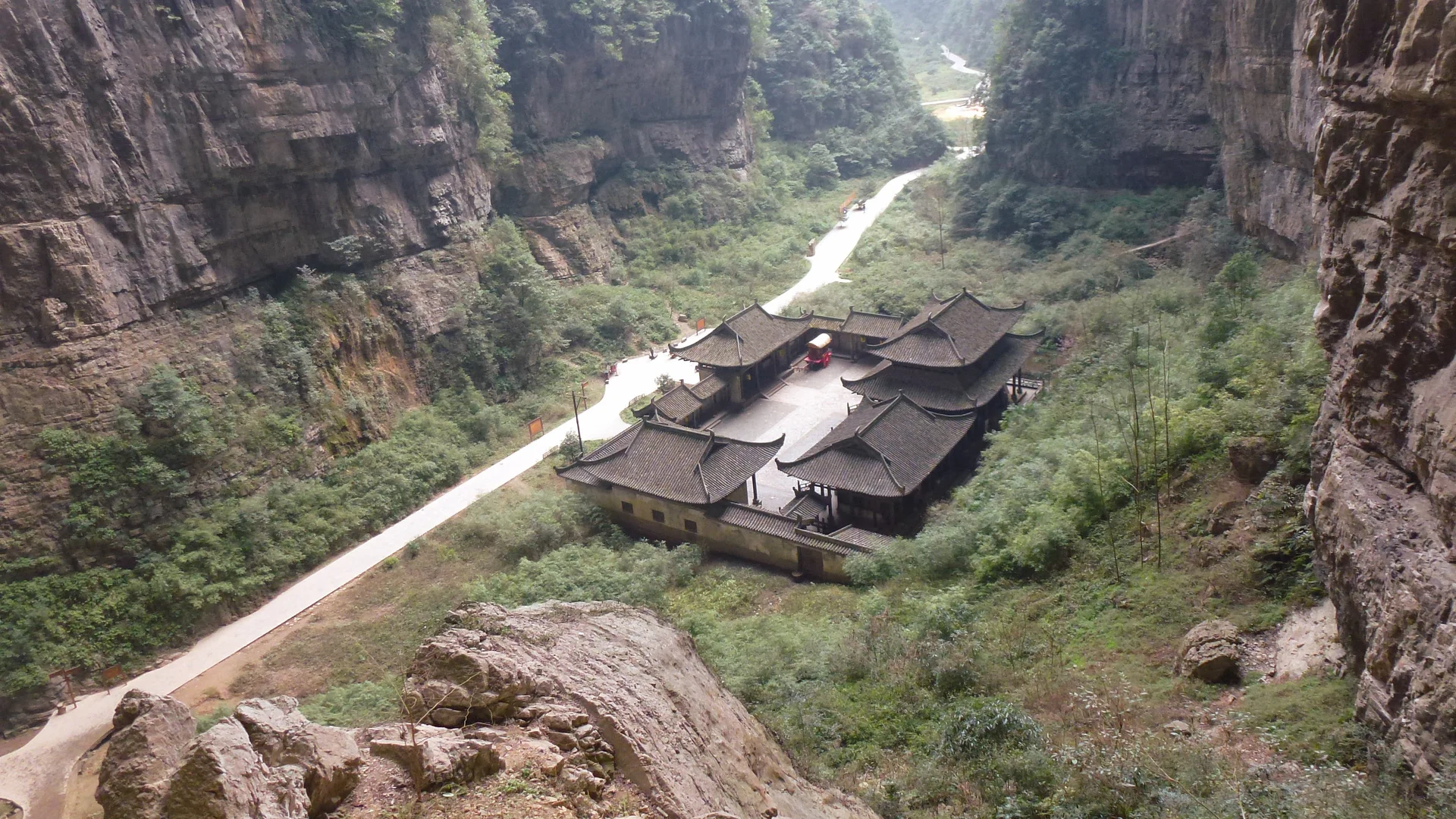 chongqing
 Wulong Karst — The Chongqing Landscape That Works Through Collapse, Scale, And Geological Theater
武隆喀斯特 · Wulong Kasite
A rights-safe guide to Wulong Karst for travelers deciding whether this Chongqing world-heritage landscape deserves a dedicated detour, with practical notes on route focus, scale, and why Wulong works best through sinkholes and natural bridges rather than through scattered attraction sampling.
- chongqing
- April to June and September to November
- Moderate
 chongqing
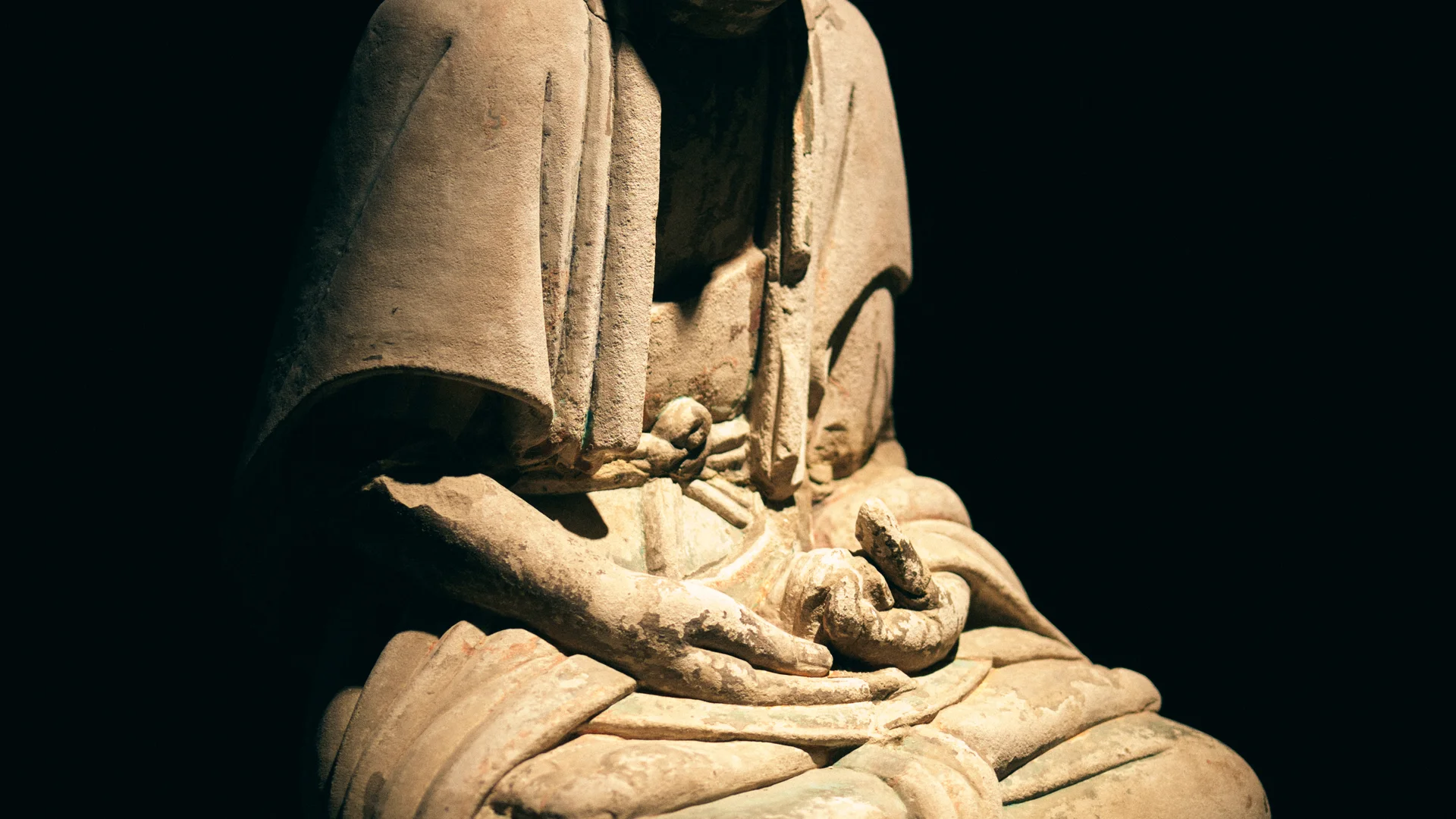
 Baodingshan Rock Carvings — The Cliffside Buddhist Narrative That Gives Chongqing A Serious Sacred-Art Anchor
宝顶山石刻 · Baodingshan Shike
A rights-safe guide to Baodingshan for travelers deciding whether this Dazu cliffside sacred-art site deserves a dedicated day, with practical notes on pacing, interpretation, crowd timing, and why Baodingshan works best as a coherent narrative route rather than as a generic UNESCO checkbox.
- chongqing
- March to May and September to November
- Easy