Quick facts
What to know before you go
Fujian Tulou — The Earthen Fortress Villages That Still Feel Like A Collective World is a curated China Hidden Gems destination in Fujian, selected for travelers who want the place, timing, effort, and logistics in one scan.
- Administrative location
- Longyan, Fujian
- Chinese name
- 南靖土楼 · Nanjing Tulou
- Best season
- March to May and October to December
- Difficulty
- Easy
- Time needed
- 1 day
- Typical cost
- $$
- Getting there
- Treat Fujian Tulou as a cluster visit with enough time to compare buildings instead of reducing the route to one fast photo stop.
Official planning links
Editorial briefing
Why this place works
A rights-safe guide to Fujian Tulou for travelers deciding whether the earthen fortress villages deserve a real detour, with practical notes on cluster logic, walking scale, building types, and why Tulou works best when treated as a settlement world instead of a one-building photo stop.
Why go
- A rights-safe guide to Fujian Tulou for travelers deciding whether the earthen fortress villages deserve a real detour, with practical notes on cluster logic, walking scale, building types, and why Tulou works best when treated as a settlement world instead of a one-building photo stop.
- Fujian Tulou — The Earthen Fortress Villages That Still Feel Like A Collective World gives travelers a concrete reason to plan around Longyan, fujian, not just a generic first-trip city list.
- It is strongest for unesco, architecture, heritage, with enough practical context to compare timing, difficulty, and onward route fit.
Turn this into a trip
Save Fujian Tulou — The Earthen Fortress Villages That Still Feel Like A Collective World, then plan around it.
Keep this gem on your device, open it in your bucket list, or start a planner draft with the destination already filled in.
Trip planning intake
Ask whether Fujian Tulou — The Earthen Fortress Villages That Still Feel Like A Collective World fits your route.
This is a lightweight planning signal, not an instant concierge. Leave your trip context and a real question, and the team can reply manually after review.
Story visuals
Fujian Tulou — The Earthen Fortress Villages That Still Feel Like A Collective World
The Earthen Villages That Stop Making Sense When You Reduce Them To One Building
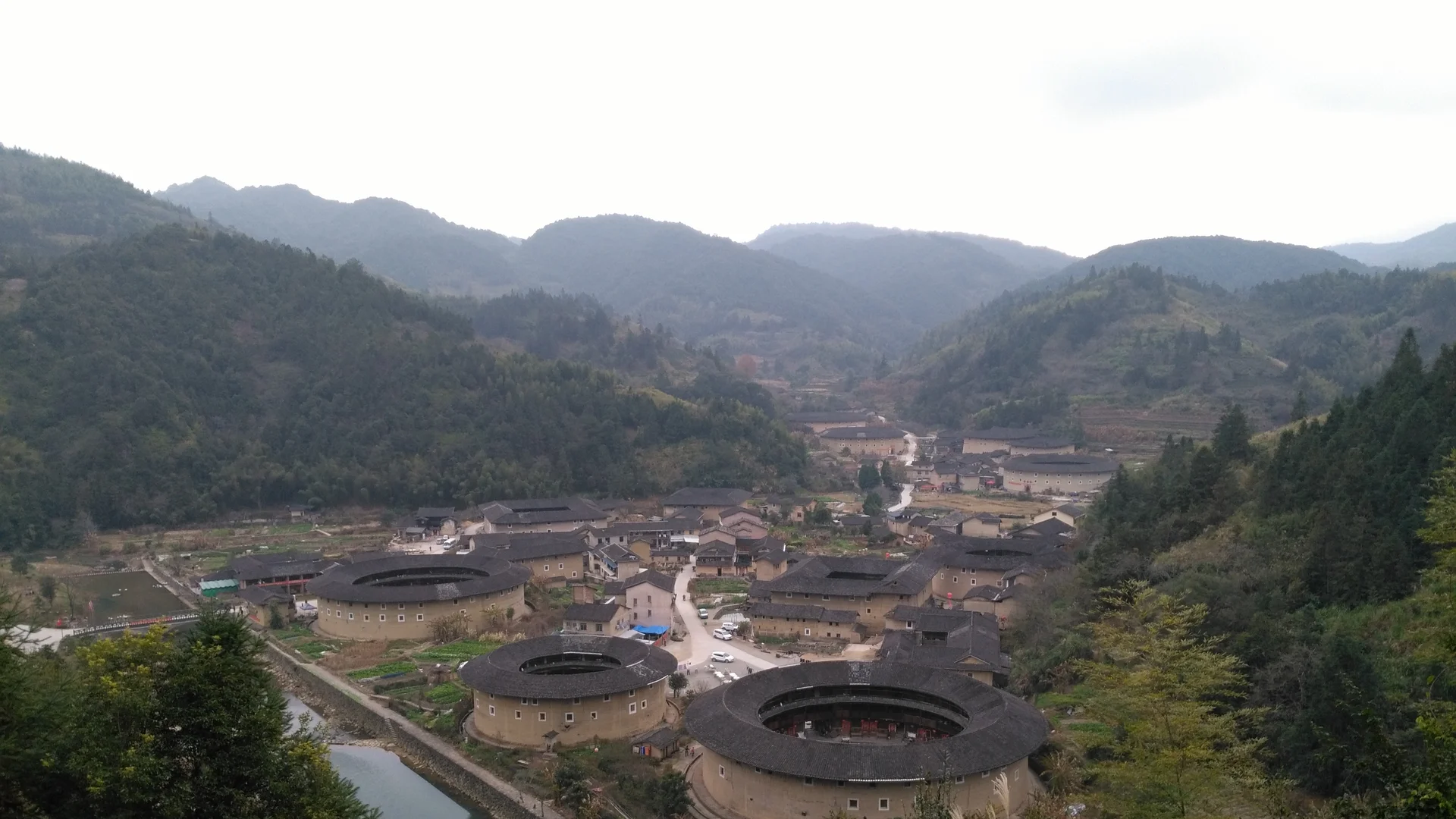
Fujian Tulou is easy to admire and easy to misunderstand. The first reaction is almost always architectural: the circles, the thick earthen walls, the internal rings of rooms, and the feeling that the buildings look at once defensive, communal, and strangely futuristic. That reaction is valid, but it is incomplete. Tulou is not strongest when the traveler treats it as one astonishing structure. It becomes much more legible once the page treats it as a village-world built around collective living, defense, terrain, and long-term adaptation.
That distinction matters because the weakest Tulou pages promise a single masterpiece and little more. A stronger page explains that the architecture is part of a larger settlement logic. Different buildings and clusters reveal different versions of that logic. The route becomes more useful and more trustworthy the moment it stops pretending one photo can carry the whole destination.
Why It Works
First, Tulou has immediate visual authority. Few destinations in China are as instantly recognizable. The rounded or squared fort-like forms against green hills explain themselves before a paragraph has even started. That makes the page powerful in discovery mode.
Second, it works because the buildings are not only beautiful. They are intelligible. You can feel why walls became thick, why rooms ring inward, why the form emphasizes both protection and community, and why the relationship between building and terrain matters. A premium destination page should let the user see that intelligence instead of drowning it in generic superlatives.
Third, Tulou broadens Fujian beyond coast, city, and tea-country narratives. It gives the province a world-class inland heritage anchor that is both culturally weighty and visually distinctive. That matters in a destination pool trying to build real national range.
How To Shape The Visit
Start by deciding whether the trip is building-first or cluster-first. Building-first can work for travelers with limited time, but it risks making Tulou feel like a single oddity. Cluster-first usually produces the stronger visit, because it helps the traveler see variation across the settlement forms and understand why Tulou is not one object but a whole architectural language.
The second decision is pace. Tulou gets thinner when travelers race through one famous structure and leave. It gets stronger when the route leaves enough room to understand approach roads, outer setting, interior court life, and the lived proportions of the buildings. This is particularly important for first-time visitors, who can otherwise walk away with a photo and very little comprehension.
The third decision is how much to foreground cultural narrative. Hakka identity and community life matter here, but the page should not overload the user with abstract ethnographic explanation. The best move is to let culture emerge through the architecture itself: shared walls, layered rooms, inward-facing life, and the fact that the buildings were built to hold families and communities over time, not to serve as sculptural curiosities for tourists.
What To Prioritize
Prioritize one strong exterior understanding before rushing inside. Tulou works because the whole form reads from outside first. The profile against the hills, the scale of the walls, and the sense of enclosure all matter. Once that is understood, the interior becomes much richer.
The page should also prioritize variation instead of falsely implying all Tulou experiences are identical. The cluster logic matters because one building can explain a principle, but multiple buildings explain a world. That is where the destination becomes editorially serious.
It is also worth protecting the page from empty wonder-language. Tulou does not need to be called mystical, alien, or magical to justify itself. Its value is already real and visible. The premium difference is clarity. Explain what the buildings are for, how they sit in the hills, and why time spent across a cluster is worth more than a brief architectural selfie.
A final priority is respect for the living heritage dimension. Even where tourism is strong, Tulou should not be framed as abandoned sculpture. The page becomes better when it treats the buildings as products of social life and memory, not merely as objects of exotic admiration.
Who Should Save It
Save Fujian Tulou if you care about architecture, collective settlement logic, inland cultural heritage, and destinations whose value increases once you stop trying to compress them into one frame. It is especially strong for travelers who like to understand how people once organized life, defense, and family inside one coherent built form.
It is weaker for travelers who only want one dramatic photo stop before moving on. Tulou can still impress them, but the destination is fundamentally richer than a quick spectacle.
What To Confirm Before You Go
Before finalizing the route, confirm how much of the day or overnight block can be given to the cluster, whether the itinerary wants one hero building or a broader settlement view, and how much travel time inland Fujian is really worth to you. The honest promise is simple: Fujian Tulou is worth it when the traveler treats the buildings as a collective world instead of a single oddity.
How To Use This Page In The Tools
Fujian Tulou should hand off to planning as a cluster-and-depth problem: build one route that leaves enough room to compare buildings, read the settlement logic, and let the architecture explain the culture instead of rushing through one famous exterior.
Traveler actions
Save, check in, share, and help other travelers judge whether this place is worth the trip.
Traveler Comments
Share your Fujian Tulou — The Earthen Fortress Villages That Still Feel Like A Collective World experience
Continue exploring
More in fujian
View all →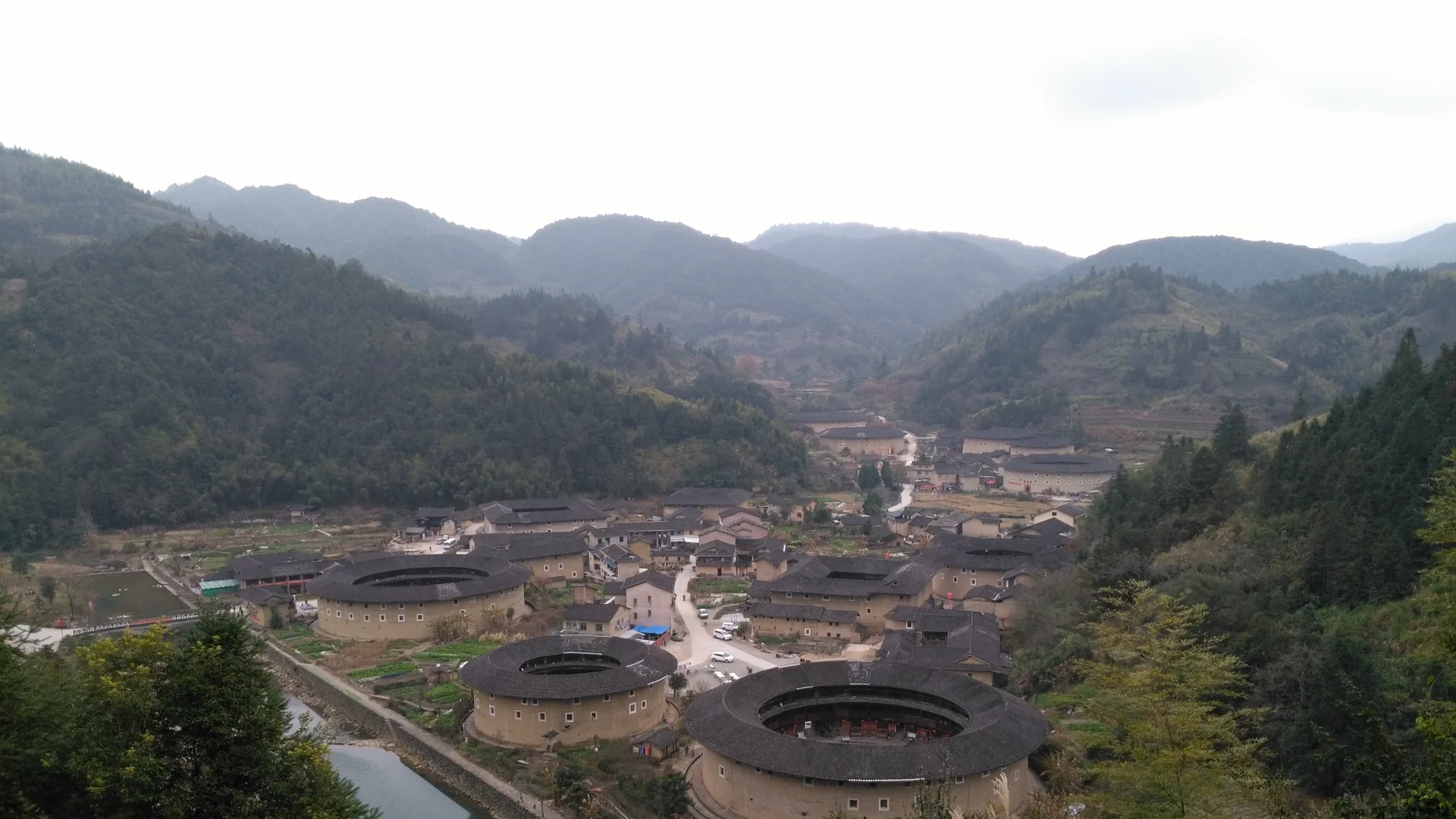 fujian
 Hakka Tulou — The Earthen Fortress Landscape That Still Feels Unbelievable
福建土楼 · Fujian Tulou
A rights-safe guide to Hakka Tulou for travelers choosing between Yongding and Nanjing clusters, with honest notes on Tianluokeng versus Chengqi Lou, why an overnight stay can matter, and how to experience the tulou as a living architectural landscape rather than a one-photo curiosity.
- fujian
- March to May and September to November
- Easy
 fujian
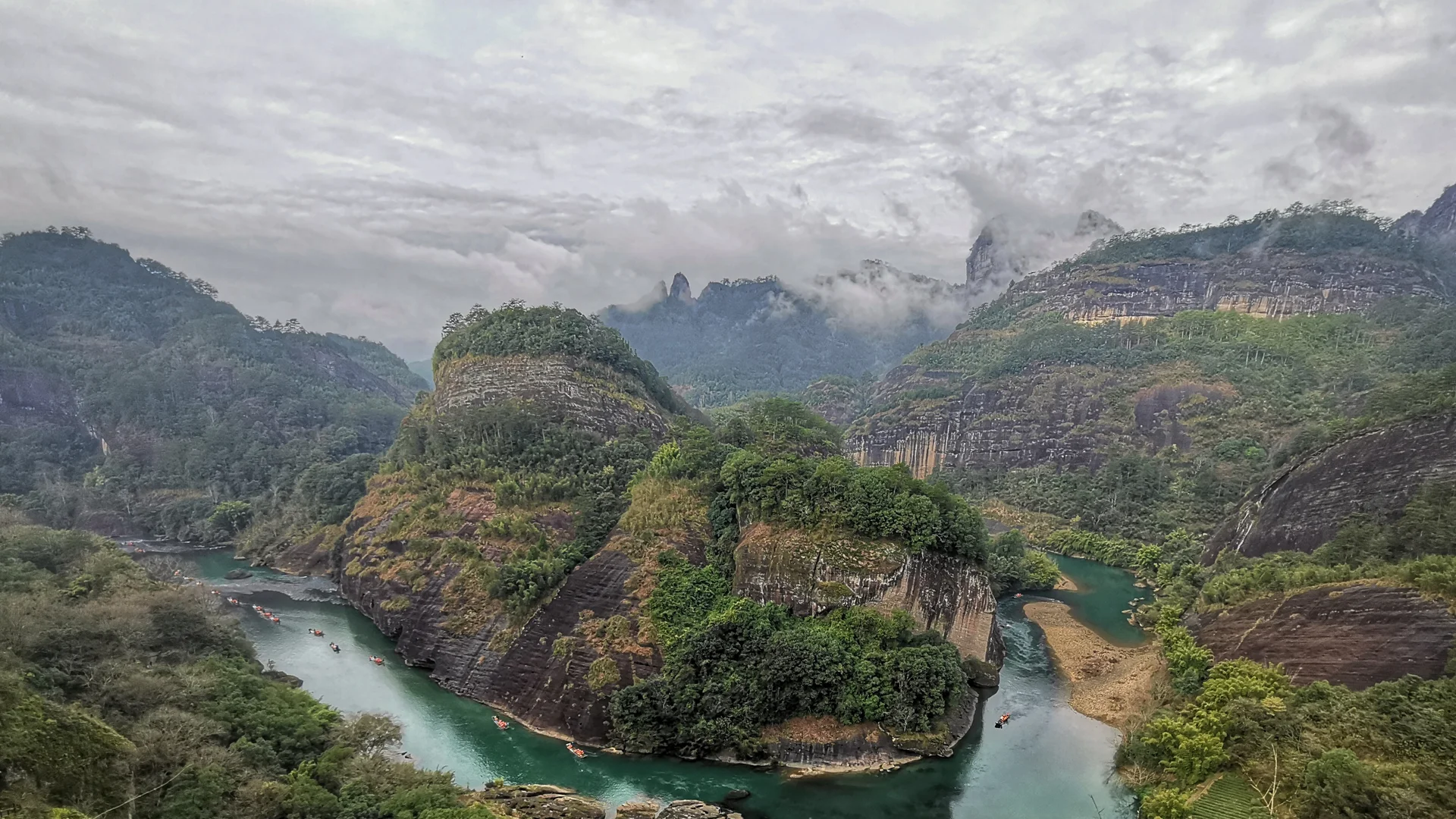
 Wuyi Mountain — The Fujian World Heritage Route That Works Through River Motion, Cliff Relief, And Tea-Scale Culture
武夷山 · Wuyi Shan
A rights-safe guide to Wuyi Mountain for travelers deciding whether Fujian's best-known mountain-and-river heritage route deserves dedicated time, with practical notes on rafting, cliff viewpoints, and why Wuyi works best as a moving landscape rather than a summit-only excursion.
- fujian
- March to May and September to November
- Moderate
 fujian
 Gulangyu — The Island Settlement Where Villas, Slopes, And Ferry Separation Still Shape The Mood
鼓浪屿 · Gulangyu
A rights-safe guide to Gulangyu for travelers deciding whether this ferry-separated island deserves time beyond the postcard version, with practical notes on visitor flow, walking rhythm, and why Gulangyu works best as a managed island fabric rather than as a simple scenic detour from Xiamen.
- fujian
- October to April
- Easy