Quick facts
What to know before you go
Longji Rice Terraces — The Mountain Farming Landscape That Needs Time, Light, And Village Patience is a curated China Hidden Gems destination in Guangxi, selected for travelers who want the place, timing, effort, and logistics in one scan.
- Administrative location
- Longsheng, Guangxi
- Chinese name
- 龙脊梯田 · Longji Titian
- Best season
- April to October
- Difficulty
- Moderate
- Time needed
- Full day
- Typical cost
- $$
- Getting there
- Treat Longji as a mountain-village and walking landscape rather than a single viewpoint stop.
Editorial briefing
Why this place works
A rights-safe guide to Longji Rice Terraces for travelers deciding whether this mountain farming landscape deserves more than a quick viewpoint stop, with practical notes on seasonality, village logic, and why Longji works best as a lived terraced landscape rather than as a single sunrise postcard.
Why go
- A rights-safe guide to Longji Rice Terraces for travelers deciding whether this mountain farming landscape deserves more than a quick viewpoint stop, with practical notes on seasonality, village logic, and why Longji works best as a lived terraced landscape rather than as a single sunrise postcard.
- Longji Rice Terraces — The Mountain Farming Landscape That Needs Time, Light, And Village Patience gives travelers a concrete reason to plan around Longsheng, guangxi, not just a generic first-trip city list.
- It is strongest for terraces, mountain village, guangxi, with enough practical context to compare timing, difficulty, and onward route fit.
Turn this into a trip
Save Longji Rice Terraces — The Mountain Farming Landscape That Needs Time, Light, And Village Patience, then plan around it.
Keep this gem on your device, open it in your bucket list, or start a planner draft with the destination already filled in.
Trip planning intake
Ask whether Longji Rice Terraces — The Mountain Farming Landscape That Needs Time, Light, And Village Patience fits your route.
This is a lightweight planning signal, not an instant concierge. Leave your trip context and a real question, and the team can reply manually after review.
Story visuals
Longji Rice Terraces — The Mountain Farming Landscape That Needs Time, Light, And Village Patience
The Terrace Page That Only Works When You Let The Villages Matter
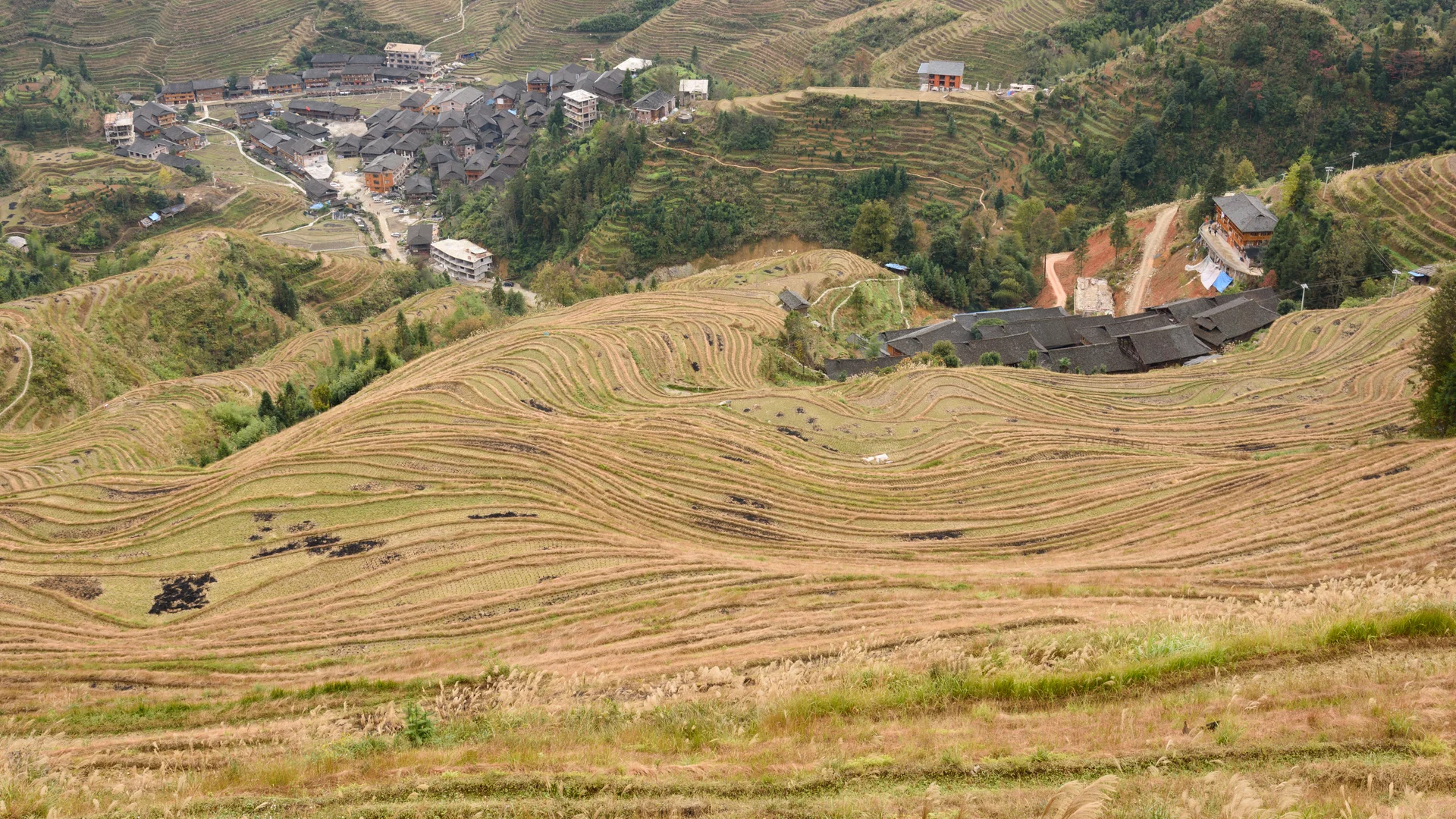
Longji is often sold through one image: layered rice terraces folded across a mountain slope in impossible curves. That image is strong, but it is incomplete. Longji only becomes convincing once the traveler understands that the terraces are not detached spectacle. They are part of a lived mountain system of villages, paths, weather, and agricultural continuity. The page gets stronger the moment that relationship becomes central.
A premium page should therefore avoid two bad habits at once. The first is reducing Longji to a sunrise viewpoint with a transport problem attached. The second is inflating it into a mystical rural fantasy. Neither frame helps. Longji is better understood as a working cultural landscape whose beauty comes from how farming geometry and mountain settlement still fit together.
That is what makes the destination useful. Travelers who approach it only as a photo stop often end up with the image but not the place. Travelers who accept village pacing, mountain movement, and seasonal change usually come away with something richer. The terraces are the obvious visual surface, but the route works because the human system behind them remains visible.
Why It Works
First, Longji adds a very different Guangxi page from Yangshuo and Detian. Yangshuo works through karst drama, rivers, and valley lifestyle. Detian works through waterfall scale and borderland force. Longji is agricultural, layered, and lived-in. It expands the region rather than echoing it.
Second, the destination is structured by season in a genuinely meaningful way. Water-filled terraces, green growth, and autumn gold do not merely recolor the same site. They alter the valley's logic and the emotional tone of the day. A premium page should help travelers understand that not all seasons are delivering the same promise.
Third, Longji rewards walking. This matters because the terraces make most sense when the traveler experiences slope, village edge, and viewpoint transition in sequence. A drive-up-only mindset usually underreads the destination.
A fourth reason Longji works is that it still preserves an agricultural landscape logic many terraced destinations lose once tourism overwhelms them. The fields, houses, paths, and cultural practices remain interdependent enough that the visitor can still read the terraces as lived terrain rather than as a detached scenic installation.
How To Shape The Visit
Start by deciding whether the trip is landscape-first or image-first. Landscape-first is stronger. If you only chase one famous angle, the route can become narrower than it deserves to be. If you accept the terraces as a mountain system, the day becomes more coherent.
The second decision is village logic. Different villages and route choices create different kinds of Longji experience. The page does not need to drown the traveler in micro-planning, but it should make clear that village selection is not a trivial detail. It changes the walk, the crowd field, and the kind of terrace reading you get.
The third decision is season. This is not just a “best time to visit” footnote. Water season, green season, and harvest season produce meaningfully different pages. Travelers should choose based on the landscape they actually want, not on a generic “Longji is always beautiful” promise.
A fourth decision is pace. Longji becomes weaker when travelers try to force it into a rapid day of viewpoint extraction. The terraces are much more persuasive when the route leaves enough room for the mountain to unfold gradually.
What To Prioritize
Prioritize continuity between field and village. This is the simplest way to keep Longji from becoming a wallpaper destination.
Prioritize realistic physical pacing too. The site is not difficult in an extreme sense, but it is shaped by mountain walking and elevation changes. The page becomes better when it respects that rather than pretending all viewpoints are equally effortless.
It is also worth prioritizing season-specific expectations. The best Longji trip is often the one that chooses one season clearly instead of demanding everything at once.
A final priority is avoiding rural fantasy language. Longji does not need sentimental mountain-village prose to work. It is already powerful as a cultural landscape where terraces remain visibly connected to life, labor, and terrain.
What Can Go Wrong
The first mistake is coming only for one photograph. Longji can still deliver that image, but the trip will feel thinner if the traveler ignores everything around it.
Another mistake is underestimating how much season changes the page. A traveler arriving with the wrong seasonal expectation can misread the destination even if the day is otherwise successful.
The third mistake is trying to compress too much movement into too little time. Longji is stronger when the route is allowed to breathe.
Who Should Save It
Save Longji Rice Terraces if you care about cultural landscapes, mountain villages, and places where agricultural form still shapes the visitor experience. It is especially strong for travelers who like walking routes and want Guangxi to feel more varied than karst-only imagery.
It is weaker for travelers who want purely easy access, who dislike stairs or slope, or who only want static scenic consumption. Longji is worth it when the traveler is willing to let the mountain and the villages work together.
What To Confirm Before You Go
Before finalizing the route, confirm the season you actually want, the village logic that fits your pace, and how much walking you are willing to do. The honest promise is simple: Longji is rewarding when you treat it as a living terraced landscape, not just as a viewpoint product.
Traveler actions
Save, check in, share, and help other travelers judge whether this place is worth the trip.
Traveler Comments
Share your Longji Rice Terraces — The Mountain Farming Landscape That Needs Time, Light, And Village Patience experience
Continue exploring
More in guangxi
View all →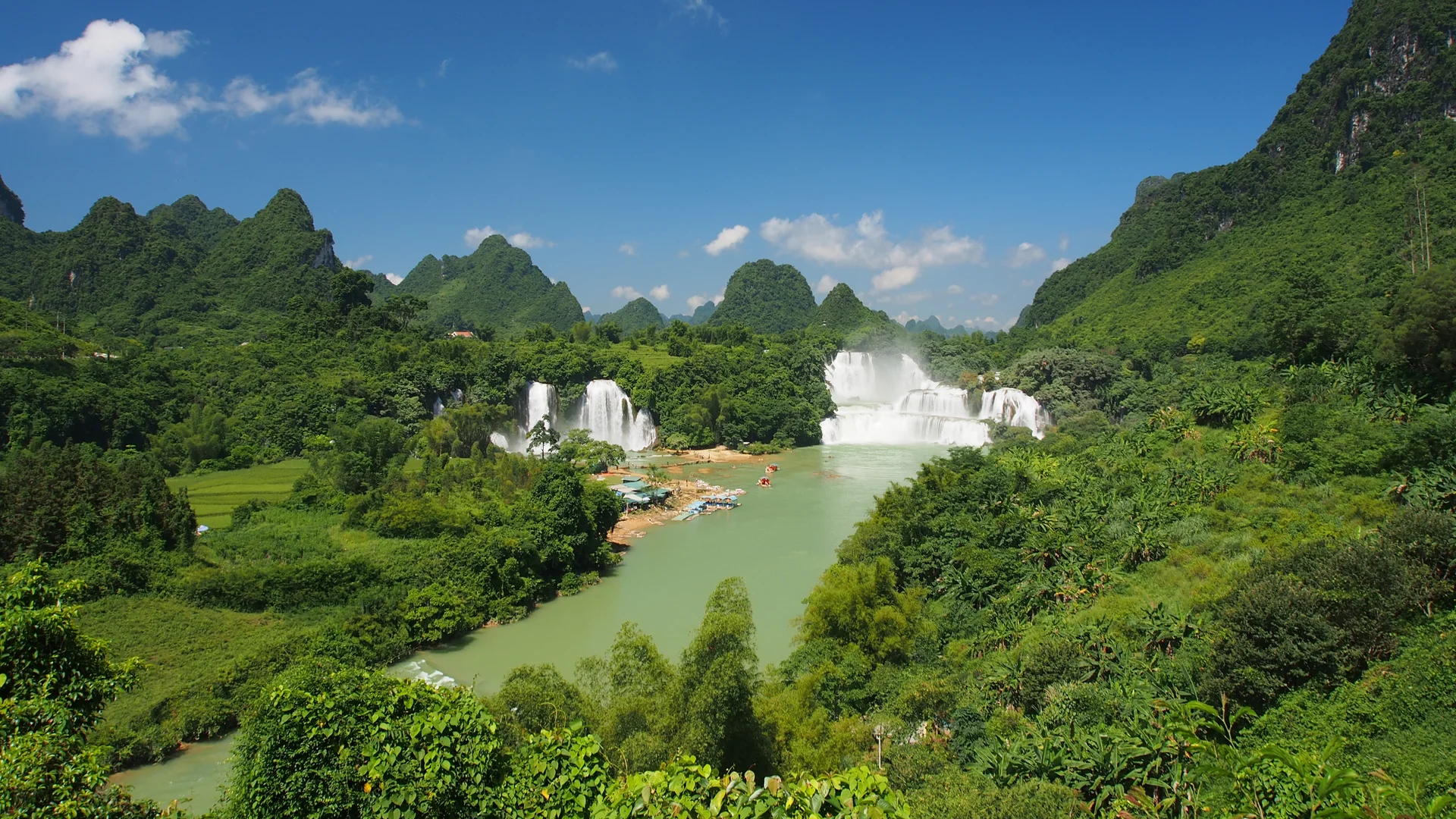 guangxi
 Detian Waterfall — The Border Cascade That Rewards Scale, Boats, And Seasonality
德天瀑布 · Detian Pubu
A rights-safe guide to Detian Waterfall for travelers deciding whether Guangxi's border cascade is worth the long approach, with practical notes on water volume, boat perspective, seasonality, and why Detian works best when treated as a deliberate scenic-area stop instead of a quick superlative check-in.
- guangxi
- June to October
- Easy
 guangxi
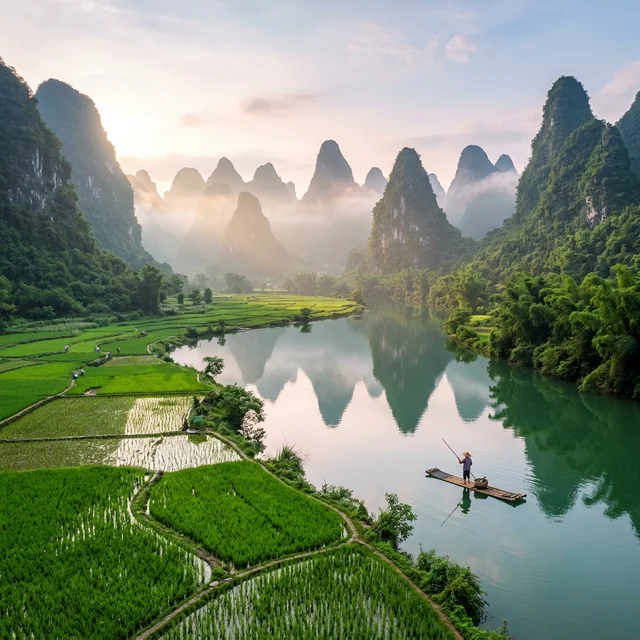
 Yangshuo Karst Peaks
阳朔 · Yangshuo
Sail down the Li River through a landscape of impossibly shaped limestone peaks, rice paddies, and bamboo groves — the scene on the ¥20 banknote.
- guangxi
- Apr – Oct
- Easy