Quick facts
What to know before you go
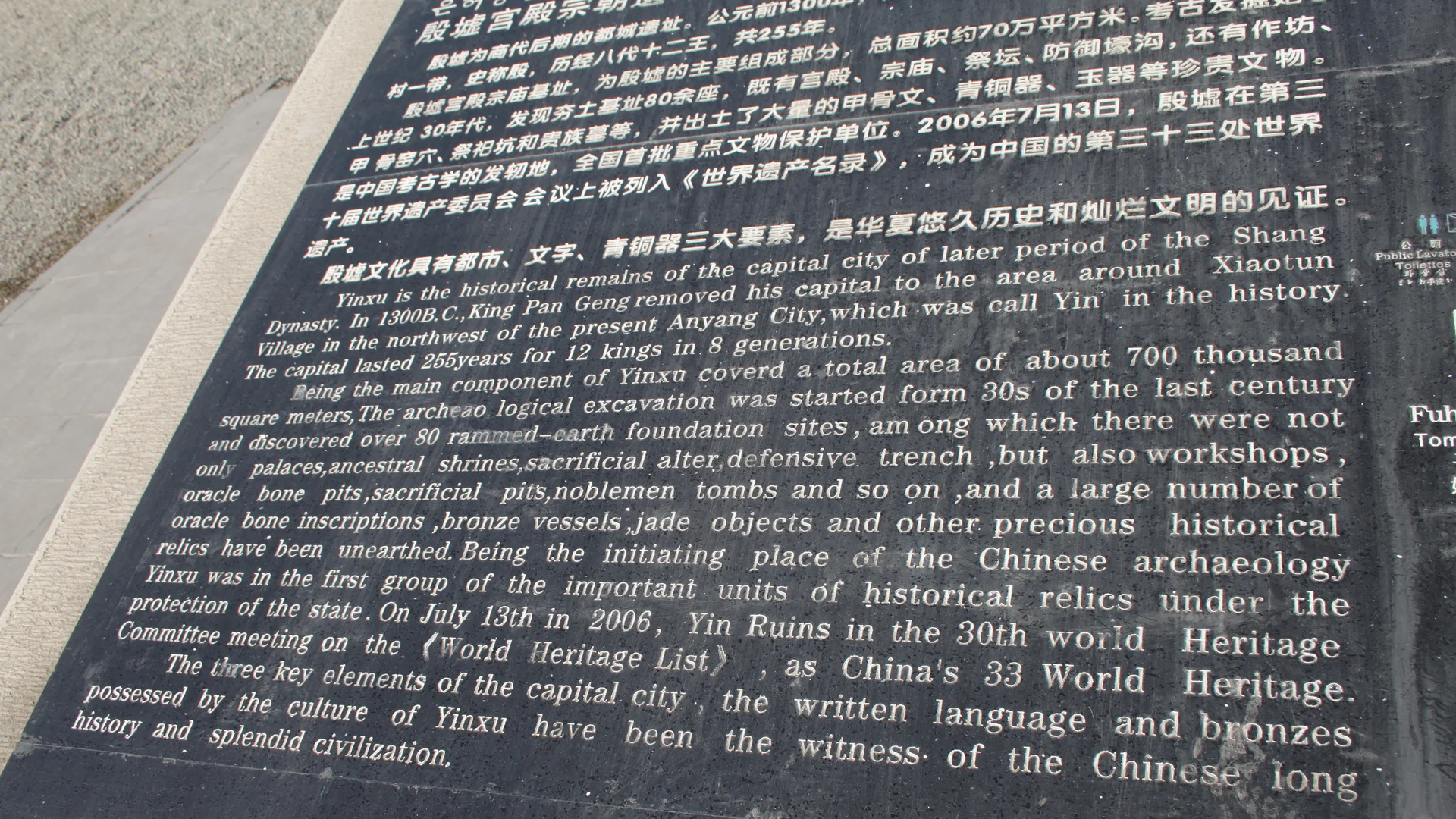
Yinxu — The Anyang Site That Works Through Oracle Bones, Ruins, And Civilizational Weight is a curated China Hidden Gems destination in Henan, selected for travelers who want the place, timing, effort, and logistics in one scan.
- Administrative location
- Anyang, Henan
- Chinese name
- 殷墟 · Yinxu
- Best season
- March to May and September to November
- Difficulty
- Easy
- Time needed
- 3-5 hours
- Typical cost
- $$
- Getting there
- Treat Yinxu as a focused archaeological stop that needs interpretive attention rather than as a quick ruins photo detour.
Official planning links
Editorial briefing
Why this place works
A rights-safe guide to Yinxu for travelers deciding whether this Shang-civilization world-heritage site deserves the Anyang detour, with practical notes on archaeological reading, ruins, and why Yinxu works best through historical imagination rather than through monumental spectacle alone.
Why go
- A rights-safe guide to Yinxu for travelers deciding whether this Shang-civilization world-heritage site deserves the Anyang detour, with practical notes on archaeological reading, ruins, and why Yinxu works best through historical imagination rather than through monumental spectacle alone.
- Yinxu — The Anyang Site That Works Through Oracle Bones, Ruins, And Civilizational Weight gives travelers a concrete reason to plan around Anyang, henan, not just a generic first-trip city list.
- It is strongest for archaeology, oracle bones, henan, with enough practical context to compare timing, difficulty, and onward route fit.
Turn this into a trip
Save Yinxu — The Anyang Site That Works Through Oracle Bones, Ruins, And Civilizational Weight, then plan around it.
Keep this gem on your device, open it in your bucket list, or start a planner draft with the destination already filled in.
Trip planning intake
Ask whether Yinxu — The Anyang Site That Works Through Oracle Bones, Ruins, And Civilizational Weight fits your route.
This is a lightweight planning signal, not an instant concierge. Leave your trip context and a real question, and the team can reply manually after review.
Story visuals
Yinxu — The Anyang Site That Works Through Oracle Bones, Ruins, And Civilizational Weight
The Henan Site That Only Opens Properly Once You Stop Looking For Surface Grandeur
Yinxu is easy to undersell if you arrive expecting a site whose force comes from standing architecture. Travelers used to monumental ruins, temple façades, or grand surviving complexes can initially find the remains at Yinxu visually quieter than expected. That is the wrong metric. Yinxu works through civilizational density. Oracle-bone writing, royal burials, chariot pits, and the archaeological reality of the late Shang world make the site one of those places where historical weight exceeds visual showiness. The page needs to say that clearly.
That distinction matters because some heritage travelers mistake archaeological depth for low-impact tourism. Yinxu is not a theatrical ruin-field designed to overwhelm with surface spectacle. Its strength lies in what becomes legible once the traveler understands what happened here and how much of early Chinese state formation is concentrated in the site. This is a page for people willing to let buried history do real work.
This also gives Henan something the province needs in editorial terms. Longmen offers sculptural religious monumentality. Shaolin offers martial-religious symbolism. Yinxu adds archaeology, writing, and state formation. It broadens the province from spiritual and monumental surfaces into early-civilization depth. That difference is not optional. It materially improves the province's content range.
Why It Works
First, Yinxu has true historical gravity. Oracle bones alone give the site significance at a scale that many travelers can feel once it is explained properly. The destination is not relying on tourism mythology or vague antiquity claims. It is tied directly to one of the foundational bodies of evidence for early Chinese civilization.
Second, the site rewards interpretive attention. Some destinations give most of their value visually and ask little of the visitor. Yinxu is the opposite. The more accurately the page helps travelers understand what they are looking at, the more persuasive the place becomes. That is a virtue, not a flaw, for a premium content pool.
Third, the mix of ruins, excavated structures, and associated objects prevents the stop from becoming purely abstract. Yinxu is not only a story told in text panels. There is enough material presence that the traveler can connect concept to place. This balance between interpretation and physical remains is one reason the site can still work well in person.
A fourth reason it works is that it changes the emotional register of a Henan itinerary. The province can easily become associated with religion, sculpture, and martial or imperial visibility. Yinxu slows that down and pushes the traveler deeper into chronology. It asks for a different kind of attention, which is exactly why it belongs in the pool.
How To Shape The Visit
Start by deciding whether Yinxu is a history-first stop or a check-the-UNESCO-list stop. History-first is the only framing that really unlocks the page. If the traveler is unwilling to engage the archaeological and textual significance of the site, the visit will almost certainly underperform its real value.
The second decision is how much context you want before arrival. Yinxu is one of those destinations where even a little preparation pays off disproportionately. A page should therefore not be afraid to orient travelers toward why oracle bones, Shang kingship, and excavation history matter.
The third decision is expectation discipline around spectacle. Yinxu is not weak because it is not visually maximal. It is different. The strongest route is one where the traveler comes prepared to let interpretation, pits, remains, and artifacts build the significance gradually.
A fourth decision is whether the site is being paired with a broader Anyang or Henan route. That can work well, but the page should warn against over-compressing the stop. Yinxu loses much of its value when it is treated as a quick heritage token between bigger-looking landmarks. It needs at least a modest amount of mental quiet to work.
What To Prioritize
Prioritize archaeological context. Without it, the site can feel too quiet.
Prioritize oracle-bone and Shang-state significance too. That is the destination's real core.
It is also worth prioritizing time for interpretation rather than just movement through the grounds.
A final priority is expectation honesty. Yinxu should not be sold like a towering ruin complex if that is not what it is.
What Can Go Wrong
The first mistake is judging Yinxu by the standards of surface monumentality.
Another mistake is arriving with zero historical framing and then concluding the site lacks force.
The third mistake is squeezing the visit into a rushed itinerary and stripping away the time needed for archaeological meaning to accumulate.
Who Should Save It
Save Yinxu if you care about archaeology, early-state history, oracle-bone writing, and destinations whose significance lies deeper than immediate visual spectacle. It is especially strong for travelers who want a Henan page with true civilizational depth.
It is weaker for travelers who only want obvious, visually maximal heritage. Yinxu is worth it when the traveler is willing to let historical understanding do part of the work.
What To Confirm Before You Go
Before finalizing the stop, decide whether you want to engage the archaeological and textual context seriously, give the site enough time to build its case, and avoid comparing it to the wrong kind of monument. The honest promise is simple: Yinxu is rewarding when you approach it as a site of foundational evidence and early-state depth, not as a spectacle-driven ruin field.
Traveler actions
Save, check in, share, and help other travelers judge whether this place is worth the trip.
Traveler Comments
Share your Yinxu — The Anyang Site That Works Through Oracle Bones, Ruins, And Civilizational Weight experience
Continue exploring
More in henan
View all →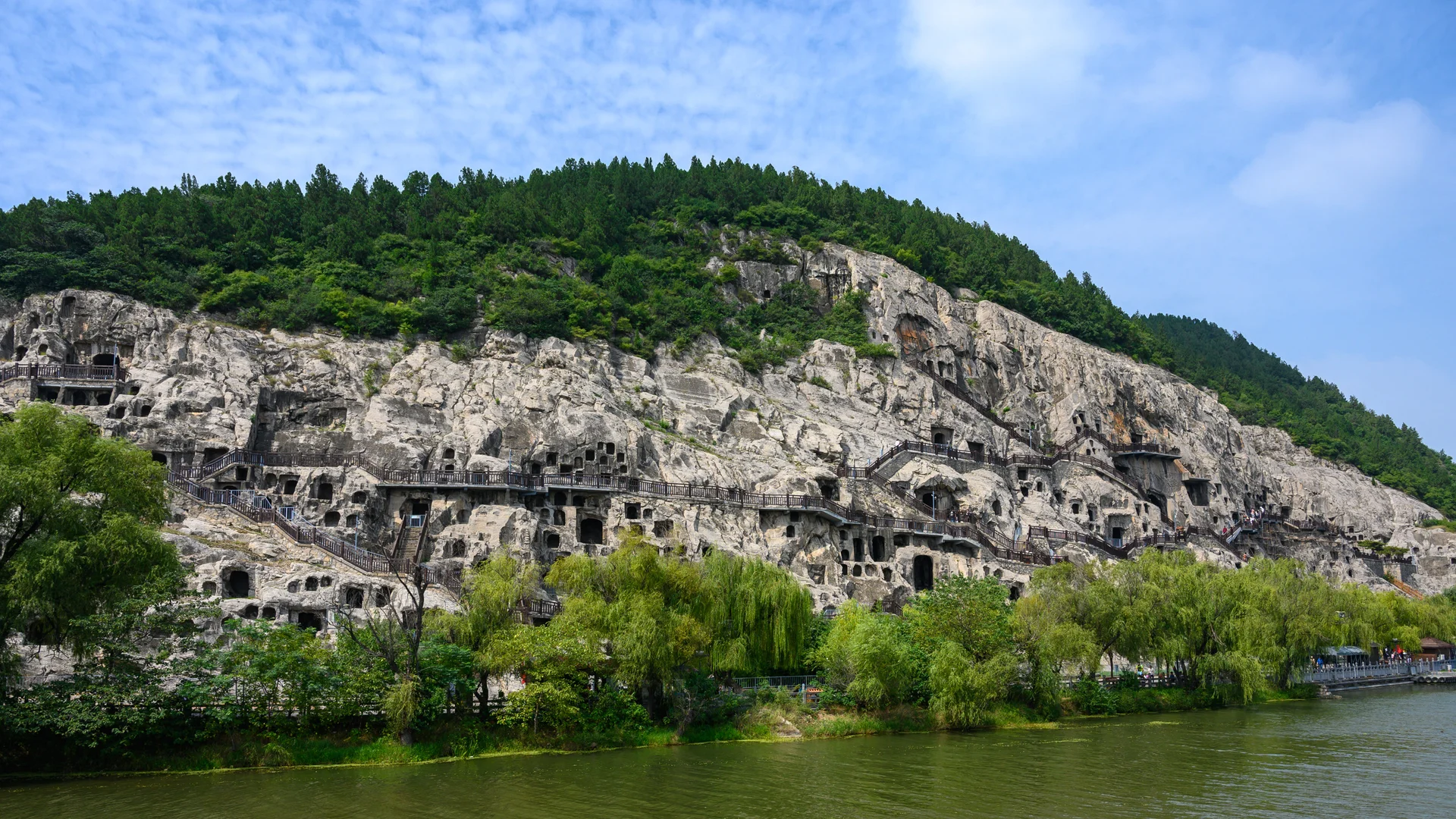 henan
henan Longmen Grottoes — The Stone Carving Site That Rewards Slow Attention
龙门石窟 · Longmen Shiku
A rights-safe guide to Longmen Grottoes for travelers planning a Luoyang heritage day, with clear advice on west-bank versus east-bank pacing, why Fengxian Temple matters, and how to turn a famous UNESCO site into a genuinely rewarding visit.
- henan
- March to May and September to November
- Easy
 henan
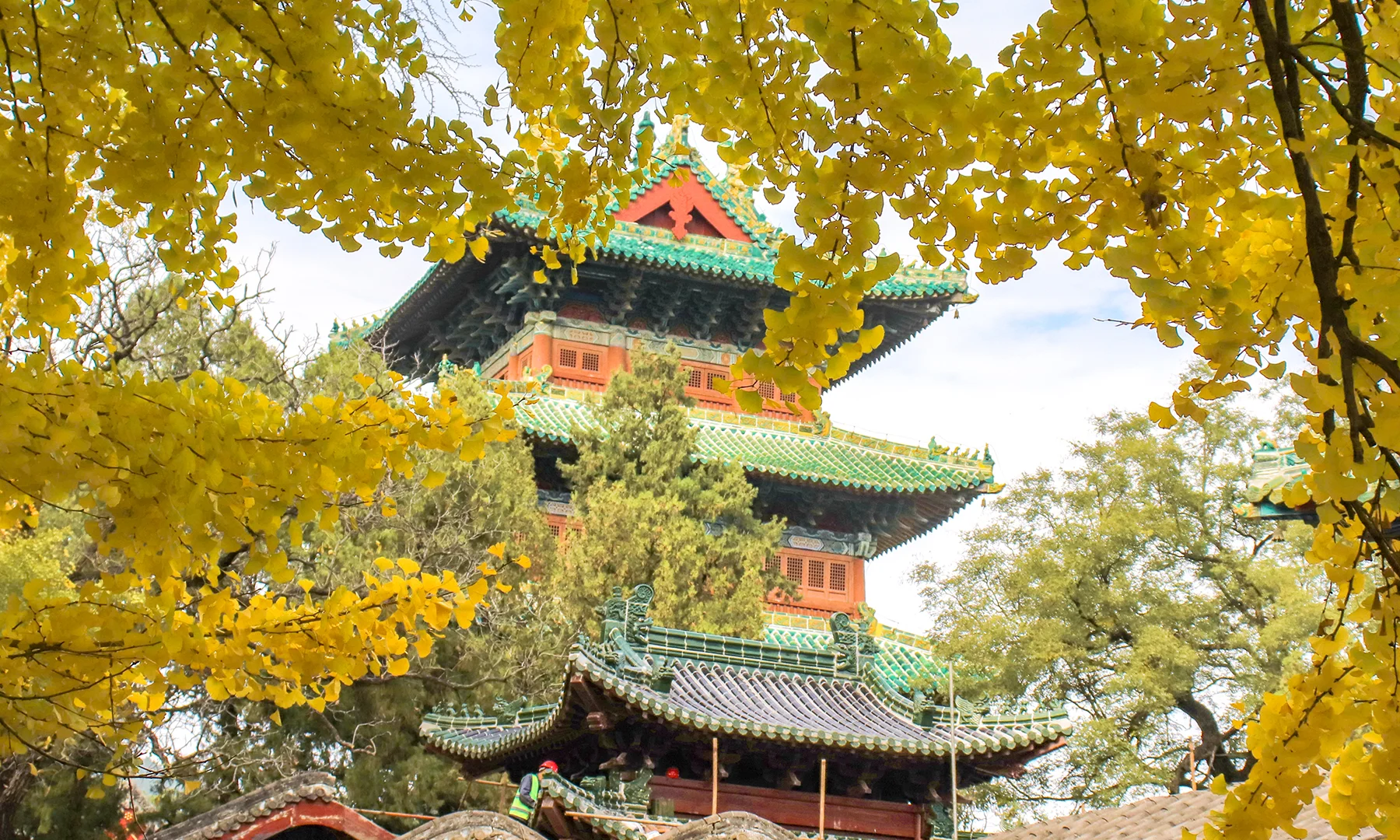
henan Shaolin Temple — The Songshan Monastery Where Ritual, Stone, And Kung Fu Myth Still Interlock
少林寺 · Shaolin Si
A rights-safe guide to Shaolin Temple for travelers deciding whether this Songshan monastery deserves a dedicated day, with practical notes on temple pacing, crowd timing, martial-culture expectations, and why Shaolin works best as a sacred complex rather than as a kung fu theme stop.
- henan
- March to May and September to November
- Easy