Quick facts
What to know before you go
Kaiping Diaolou — The Watchtowers That Make Rural Guangdong Feel Surreal is a curated China Hidden Gems destination in Guangdong, selected for travelers who want the place, timing, effort, and logistics in one scan.
- Administrative location
- Kaiping, Guangdong
- Chinese name
- 开平碉楼 · Kaiping Diaolou
- Best season
- October to April, with greener paddies in summer
- Difficulty
- Easy
- Time needed
- Full day
- Typical cost
- $$
- Getting there
- Reach Kaiping first, then solve village-to-village movement before arrival so the day is spent comparing clusters instead of improvising transfers.
Editorial briefing
Why this place works
A rights-safe guide to Kaiping Diaolou for travelers planning a rural Guangdong heritage day, with clear advice on cluster choice, diaspora history, transport strategy, and why the watchtowers only make sense when you experience them as a wider village landscape.
Why go
- A rights-safe guide to Kaiping Diaolou for travelers planning a rural Guangdong heritage day, with clear advice on cluster choice, diaspora history, transport strategy, and why the watchtowers only make sense when you experience them as a wider village landscape.
- Kaiping Diaolou — The Watchtowers That Make Rural Guangdong Feel Surreal gives travelers a concrete reason to plan around Kaiping, guangdong, not just a generic first-trip city list.
- It is strongest for architecture, unesco, history, with enough practical context to compare timing, difficulty, and onward route fit.
Turn this into a trip
Save Kaiping Diaolou — The Watchtowers That Make Rural Guangdong Feel Surreal, then plan around it.
Keep this gem on your device, open it in your bucket list, or start a planner draft with the destination already filled in.
Trip planning intake
Ask whether Kaiping Diaolou — The Watchtowers That Make Rural Guangdong Feel Surreal fits your route.
This is a lightweight planning signal, not an instant concierge. Leave your trip context and a real question, and the team can reply manually after review.
Story visuals
Kaiping Diaolou — The Watchtowers That Make Rural Guangdong Feel Surreal
The Rural Guangdong Page That Cannot Be Reduced To One Tower
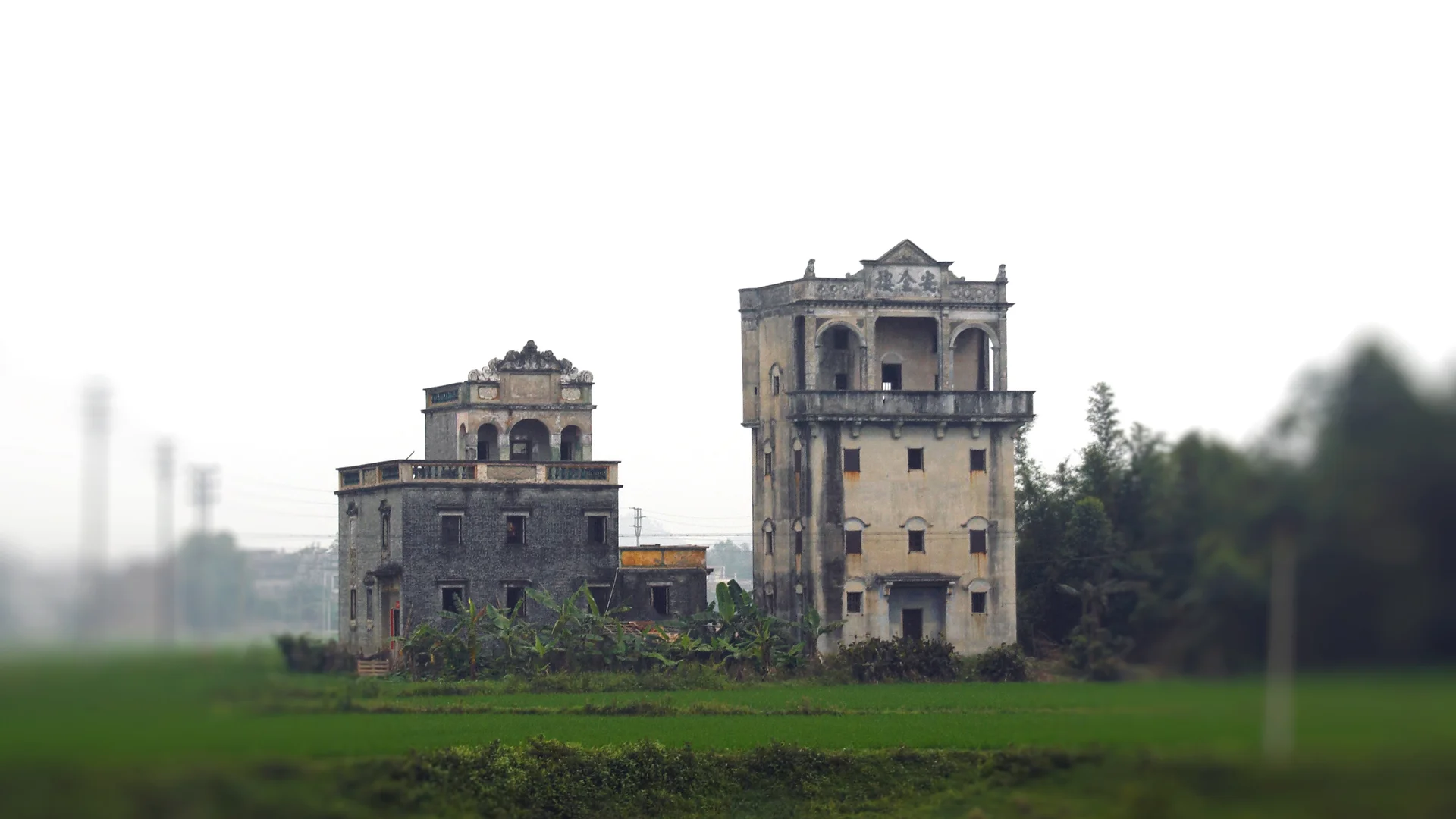
Kaiping Diaolou are often introduced with the same quick pitch: strange watchtowers rising from rice fields, an unexpected blend of Chinese and Western architecture, and a UNESCO label that sounds almost too cinematic to be real. The pitch is not wrong, but it is incomplete. If a visitor only arrives looking for a single photogenic tower, the destination underdelivers. Kaiping becomes much stronger when the traveler understands it as a dispersed rural landscape shaped by migration, defense, family ambition, and village life.
That is what the page needs to protect. Kaiping is not only about unusual buildings. It is about why those buildings exist in the countryside at all. Returnees from overseas Chinese communities brought back money, architectural references, and a desire for status, security, and modernity. The result is a landscape where Roman columns, arcaded balconies, cupolas, and Chinese rooflines appear in places where many travelers expect only farms and ancestral halls. The surreal feeling is real, but it becomes more meaningful once the social history comes into view.
Why It Works
The first reason Kaiping works is visual contrast. The diaolou are not hidden inside a dense urban fabric. They rise from paddies, lanes, bamboo, and village compounds, which makes their hybrid style feel even stranger and stronger. Few destinations in Guangdong offer this combination of architectural distinctiveness and open rural setting.
The second reason is that Kaiping broadens the destination system. ChinaHiddenGems already has mountains, old towns, and monumental heritage sites. Kaiping adds a different kind of flagship: architecture whose power comes from cross-cultural influence and from the fact that the towers are distributed across villages rather than concentrated in one iconic building. That makes the destination especially valuable for photography, slower travel, and future social packaging.
The third reason is that the route decisions matter. The tourism zone can be introduced through Zili Village, Majianglong, Liyuan, and related clusters, but those places are not interchangeable. A traveler with limited time needs to know whether they want the classic tower-and-paddy compositions first, the bamboo-shaded atmosphere of Majianglong, or the more designed and estate-like feel of Liyuan. That is the difference between a useful page and a generic UNESCO recommendation.
How To Plan The Visit
Treat Kaiping as a full rural heritage day rather than as a casual stop on the way somewhere else. Reaching Kaiping is straightforward enough from the Pearl River Delta, but moving between the core clusters still needs a plan. The biggest mistake is arriving with no transport strategy and assuming the villages function like one walkable compound. They do not. The diaolou landscape is dispersed, and the day feels much better when movement between clusters is solved before arrival.
For many first-time visitors, Zili Village is the clearest opening move because it delivers the classic visual logic quickly: multiple towers, agricultural surroundings, and architecture that immediately signals why Kaiping is different from almost any other rural China page. It is the place where the destination's unusual identity becomes obvious.
Majianglong is often the strongest counterpoint because it shifts the mood. Instead of only reading the towers as isolated objects, the visitor starts reading them as part of a humid, bamboo-framed village landscape. The reward is not just more towers. It is a more atmospheric understanding of the environment that shaped them.
Liyuan and the broader cultural tourism zone matter because they complicate the story. Kaiping is not simply a defense narrative. It is also a story about wealth, taste, aspiration, and the overseas Chinese world feeding back into the villages. A good route makes room for that instead of turning the day into a checklist of rooftops.
What To Prioritize
Prioritize comparison. That is the core move that makes Kaiping feel premium rather than gimmicky. Compare a tower cluster in open paddies with one set into bamboo or denser village texture. Compare defensive massing with decorative ambition. Compare what feels practical with what feels clearly designed to impress.
The page should also be honest about transport. Cycling, e-bikes, private driver arrangements, and official scenic links can all work, but none of them should be treated as afterthoughts. If the visitor improvises too much, the day becomes about finding the next village instead of understanding the current one.
Photography matters here, but the recommendation should not flatten into photography alone. Kaiping is strongest when the towers are read as evidence of migration and return, not just as unusual silhouettes. That means spending a little time on interiors, household traces, and the logic of why these structures had to be both defensible and aspirational. The buildings are visually striking; the history is what keeps them from feeling disposable.
Who Should Save It
Save Kaiping if you want one rural Guangdong destination with a truly distinct visual identity and a real story behind the surface. It is strongest for architecture travelers, photographers, UNESCO collectors who are tired of generic monument pages, and visitors interested in overseas Chinese history and how it changed the built landscape back home.
It is weaker for travelers who want a single compact attraction with instant closure. Kaiping asks for movement, comparison, and a little patience. That is exactly why it becomes memorable.
What To Confirm Before You Go
Before locking the day, confirm how you will move between the core scenic clusters, what current opening or ticketing arrangements apply across the tourism zone, and whether you want a tighter UNESCO-focused route or a broader day that also includes more village atmosphere. Seasonal conditions matter too: winter and spring are easier climatically, while warmer months can make the fields greener and more photogenic but also much wetter and heavier.
The honest promise is that Kaiping Diaolou are worth the trip when the traveler approaches them as a landscape of villages and returning-world influences, not as a one-photo curiosity.
How To Use This Page In The Tools
Kaiping should hand off to the planner as a transport-and-cluster question, not as a vague Jiangmen-area landmark. The useful prompt is "plan a full day for Kaiping Diaolou with a realistic way to move between Zili Village, Majianglong, and one additional cluster, while keeping the architecture and diaspora story central rather than trying to cram in too many stops." That gives the planner a route shape it can actually optimize.
Traveler actions
Save, check in, share, and help other travelers judge whether this place is worth the trip.
Traveler Comments
Share your Kaiping Diaolou — The Watchtowers That Make Rural Guangdong Feel Surreal experience
Continue exploring
More in guangdong
View all →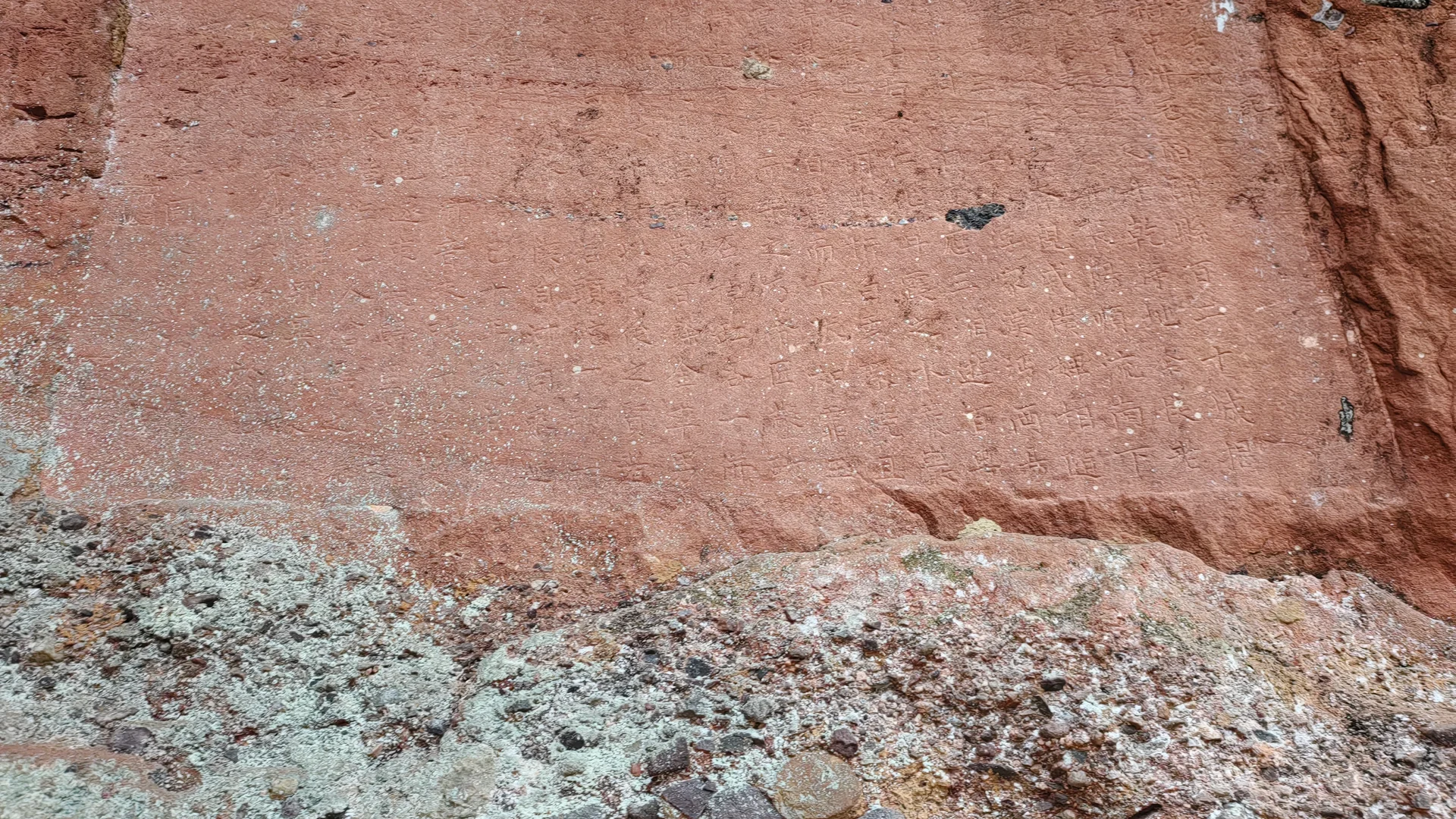 guangdong
 Danxia Mountain — The Red Cliff Landscape That Gives Guangdong A Geological Center Of Gravity
丹霞山 · Danxia Shan
A rights-safe guide to Danxia Mountain for travelers deciding whether this red-cliff world heritage landscape deserves a dedicated stop, with practical notes on route sections, light, and why Danxia works best as a landform destination rather than as a generic mountain outing.
- guangdong
- October to April
- Moderate
 guangdong
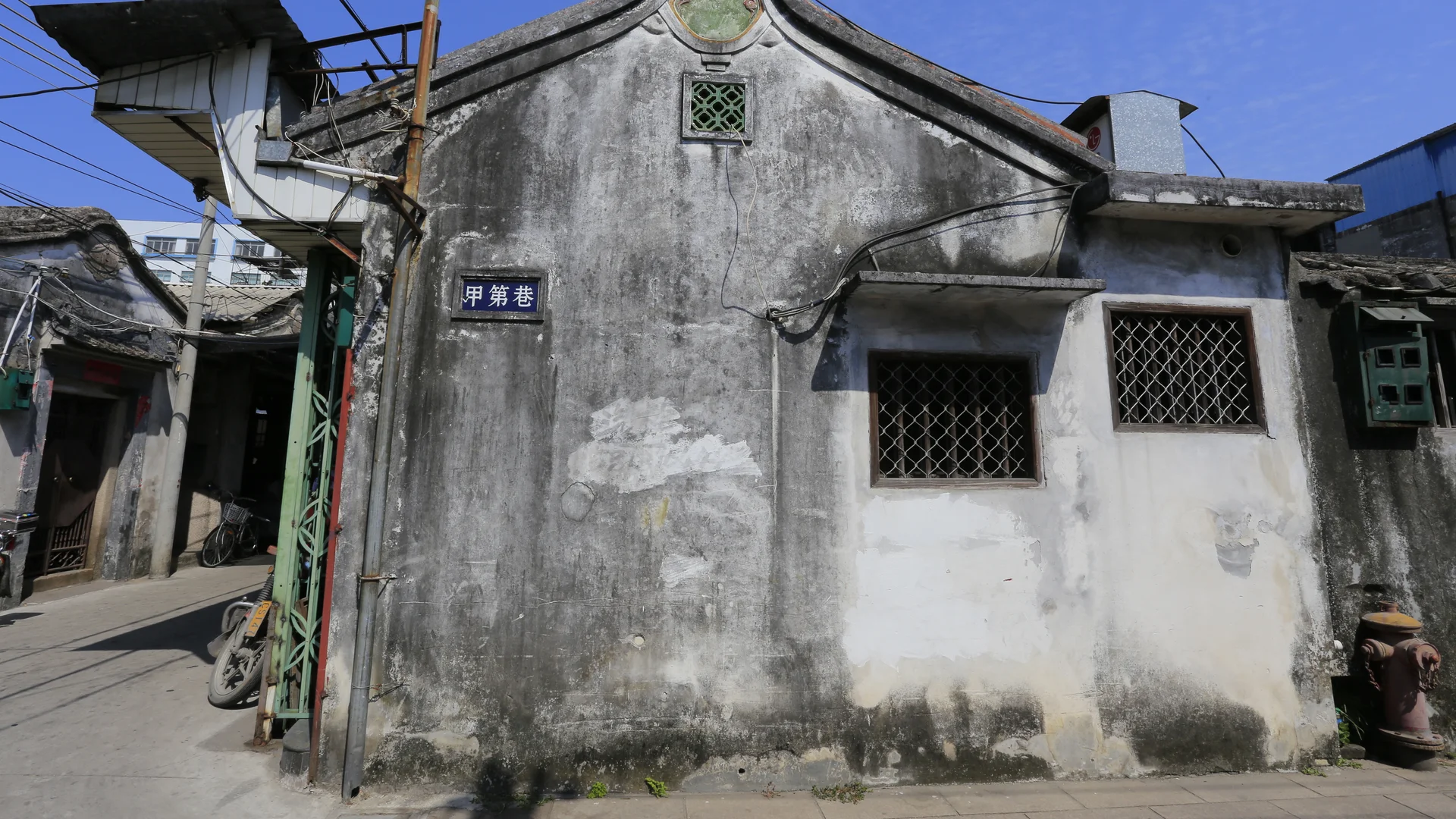
 Chaozhou Ancient City — The Southern Old City Where Arcades, Crafts, And Food Streets Still Feel Structurally Intact
潮州古城 · Chaozhou Gucheng
A rights-safe guide to Chaozhou Ancient City for travelers deciding whether this southern old city deserves a dedicated detour, with practical notes on walk density, food-and-heritage overlap, and why Chaozhou works best as a layered street route rather than a single-bridge postcard.
- guangdong
- October to March
- Easy