Quick facts
What to know before you go
Longmen Grottoes — The Stone Carving Site That Rewards Slow Attention is a curated China Hidden Gems destination in Henan, selected for travelers who want the place, timing, effort, and logistics in one scan.
- Administrative location
- Luolong District, Luoyang, Henan
- Chinese name
- 龙门石窟 · Longmen Shiku
- Best season
- March to May and September to November
- Difficulty
- Easy
- Time needed
- Half day to full heritage day
- Typical cost
- $$
- Getting there
- Base in Luoyang, reach the scenic area with a dedicated heritage outing, and use a west-bank-first route so the main carving sequence lands properly.
Editorial briefing
Why this place works
A rights-safe guide to Longmen Grottoes for travelers planning a Luoyang heritage day, with clear advice on west-bank versus east-bank pacing, why Fengxian Temple matters, and how to turn a famous UNESCO site into a genuinely rewarding visit.
Why go
- A rights-safe guide to Longmen Grottoes for travelers planning a Luoyang heritage day, with clear advice on west-bank versus east-bank pacing, why Fengxian Temple matters, and how to turn a famous UNESCO site into a genuinely rewarding visit.
- Longmen Grottoes — The Stone Carving Site That Rewards Slow Attention gives travelers a concrete reason to plan around Luoyang, henan, not just a generic first-trip city list.
- It is strongest for history, unesco, culture, with enough practical context to compare timing, difficulty, and onward route fit.
Turn this into a trip
Save Longmen Grottoes — The Stone Carving Site That Rewards Slow Attention, then plan around it.
Keep this gem on your device, open it in your bucket list, or start a planner draft with the destination already filled in.
Trip planning intake
Ask whether Longmen Grottoes — The Stone Carving Site That Rewards Slow Attention fits your route.
This is a lightweight planning signal, not an instant concierge. Leave your trip context and a real question, and the team can reply manually after review.
Story visuals
Longmen Grottoes — The Stone Carving Site That Rewards Slow Attention
The Luoyang Heritage Site That Needs A Slower Lens
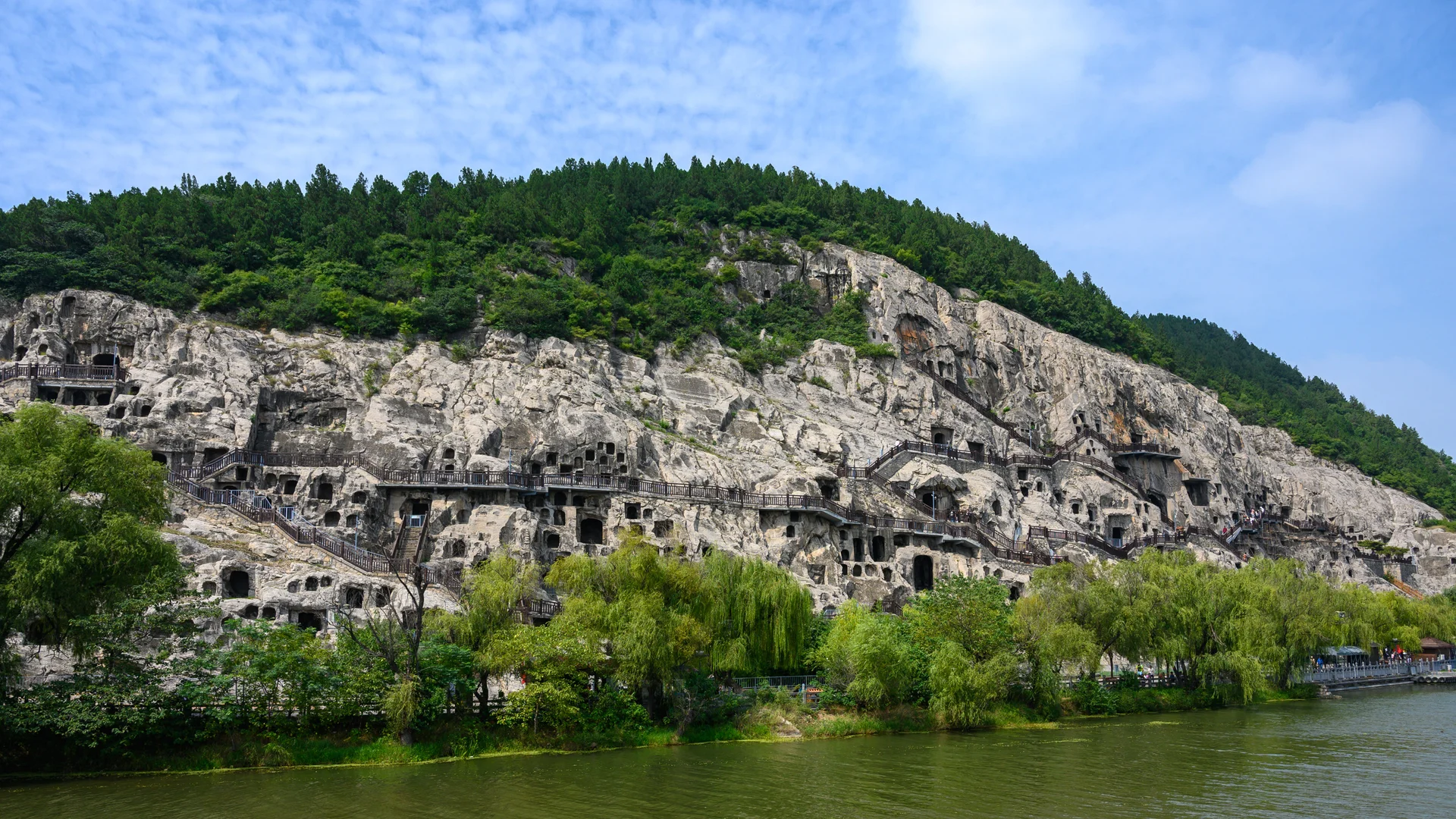
Longmen Grottoes are easy to oversimplify. A traveler sees the famous images, hears that there are more than one hundred thousand Buddhist figures carved into limestone cliffs, and assumes the site will behave like a single monumental attraction: arrive, photograph one spectacular Buddha, walk a scenic path, and leave. That framing is too thin for what Longmen actually offers.
The real value of Longmen is that it is both a cliff sculpture site and a sequence through time. The carvings are stretched along the Yi River south of Luoyang, and the experience works best when the visitor understands that the site is not one cave or one hall but a layered stone archive. Northern Wei carving priorities, Tang court style, monumental sculpture, inscriptions, and the river setting all change how the visit lands. That is why Longmen deserves its own destination page rather than being buried inside a generic Luoyang itinerary.
Why It Works
The first reason Longmen works is that the site is visually legible even before the historical context arrives. The limestone walls on the west bank read clearly from a distance, the river gives the carvings a strong axis, and the giant Tang-era figures of Fengxian Temple still create a true arrival moment. For a nationwide destination system, that matters. Longmen is not only historically important; it is immediately recognizable on the page and in the field.
The second reason is that it rewards chronology. Many heritage sites are strongest when a traveler already knows the backstory. Longmen is stronger because the backstory becomes visible in the stone itself. Different caves and niches do not merely repeat the same subject. They show changing proportions, carving style, political patronage, and levels of monumental ambition over centuries. A page that makes this legible turns the destination from "famous cliff Buddhas" into one of the clearest art-history experiences in China.
The third reason is route discipline. Longmen is accessible from Luoyang, but that does not mean the day can be improvised without cost. If the traveler rushes the site, ignores bank sequence, or treats the east bank as identical to the west, the visit loses shape. A strong Longmen page protects against that mistake by explaining where to begin, what deserves the longest attention, and what kind of energy the site actually requires.
How To Plan The Visit
Treat Longmen as a dedicated half-day or full heritage day from Luoyang rather than a quick stop between unrelated city attractions. The site is manageable, but it is not trivial. The route works best when the traveler arrives with enough time to walk, pause, and compare instead of drifting through the cliffs at sightseeing speed.
For a first visit, the west bank should usually lead. That is where the site's sculptural intensity is concentrated, and it is where the visit builds toward its clearest emotional payoff. Fengxian Temple is not just another stop on the route; it is the place where Longmen's scale, Tang polish, and court-sponsored confidence become fully visible. Starting on the west bank helps the visitor understand why the site is one of the most important stone-carving ensembles in the country.
The east bank still matters, but it should be framed differently. It works better as a change of angle and a way to understand the river corridor, not as a duplicate spectacle. That distinction matters because many travelers lose energy after the west bank climax and then misread the second half of the route as underwhelming. It is more useful to think of the east bank as the part that clarifies setting, proportion, and route completion.
What To Prioritize
Prioritize three things: the cliff panorama, the monumental centerpiece, and the evidence of time. The cliff panorama matters because Longmen is one of those heritage sites where distance helps you understand scale. Before zooming into details, take in how the carvings occupy the face of the mountain and how the river keeps the whole composition coherent.
Then give Fengxian Temple real time. The giant seated Buddha and the surrounding ensemble are the section most travelers remember, but they should not be treated as a fast photo stop. This is where Longmen's Tang sculptural language becomes most convincing: serene facial treatment, balanced monumental scale, and a courtly confidence that feels different from the earlier caves. If the traveler only takes one lesson away from the site, it should be that Longmen is not impressive merely because it is big. It is impressive because artistic quality and setting keep reinforcing each other.
Finally, pay attention to inscriptions, smaller niches, and stylistic shifts. That is where the site stops being generic spectacle and becomes intellectually rich. The traveler does not need to be an academic to feel this. They only need to notice that the carvings were made across a long period and that the site changes when viewed as a sequence rather than a single set piece.
Who Should Save It
Save Longmen if you want one heritage stop in Henan that is visually strong, culturally serious, and still manageable within a real trip. It is especially strong for UNESCO-focused travelers, Buddhist art readers, history travelers who want something legible rather than abstract, and Luoyang visitors trying to choose one anchor that will actually justify the day.
It is less compelling for travelers who want a secret site, a casual city stroll, or a one-note social media backdrop. Longmen is famous for good reason, but its premium value comes from attention rather than novelty.
What To Confirm Before You Go
Before locking the route, confirm current opening hours, ticketing and transport assumptions from Luoyang, and whether any evening or illuminated visit format is active on the date you are considering. Also decide in advance whether you want a shorter west-bank-first heritage visit or a fuller circuit that includes the east bank and more interpretation time.
The trustworthy promise is simple: Longmen Grottoes are worth the trip when the visitor arrives ready to read the site, not just collect it.
How To Use This Page In The Tools
Longmen should hand off to the planner as a sequencing problem, not as a vague Luoyang landmark. The useful prompt is "plan a Longmen Grottoes half-day or full-day from Luoyang with a west-bank-first route, enough time at Fengxian Temple, and realistic expectations for how the east bank fits into the visit." That gives the planning tools something concrete to optimize around while keeping the heritage logic intact.
Traveler actions
Save, check in, share, and help other travelers judge whether this place is worth the trip.
Traveler Comments
Share your Longmen Grottoes — The Stone Carving Site That Rewards Slow Attention experience
Continue exploring
More in henan
View all →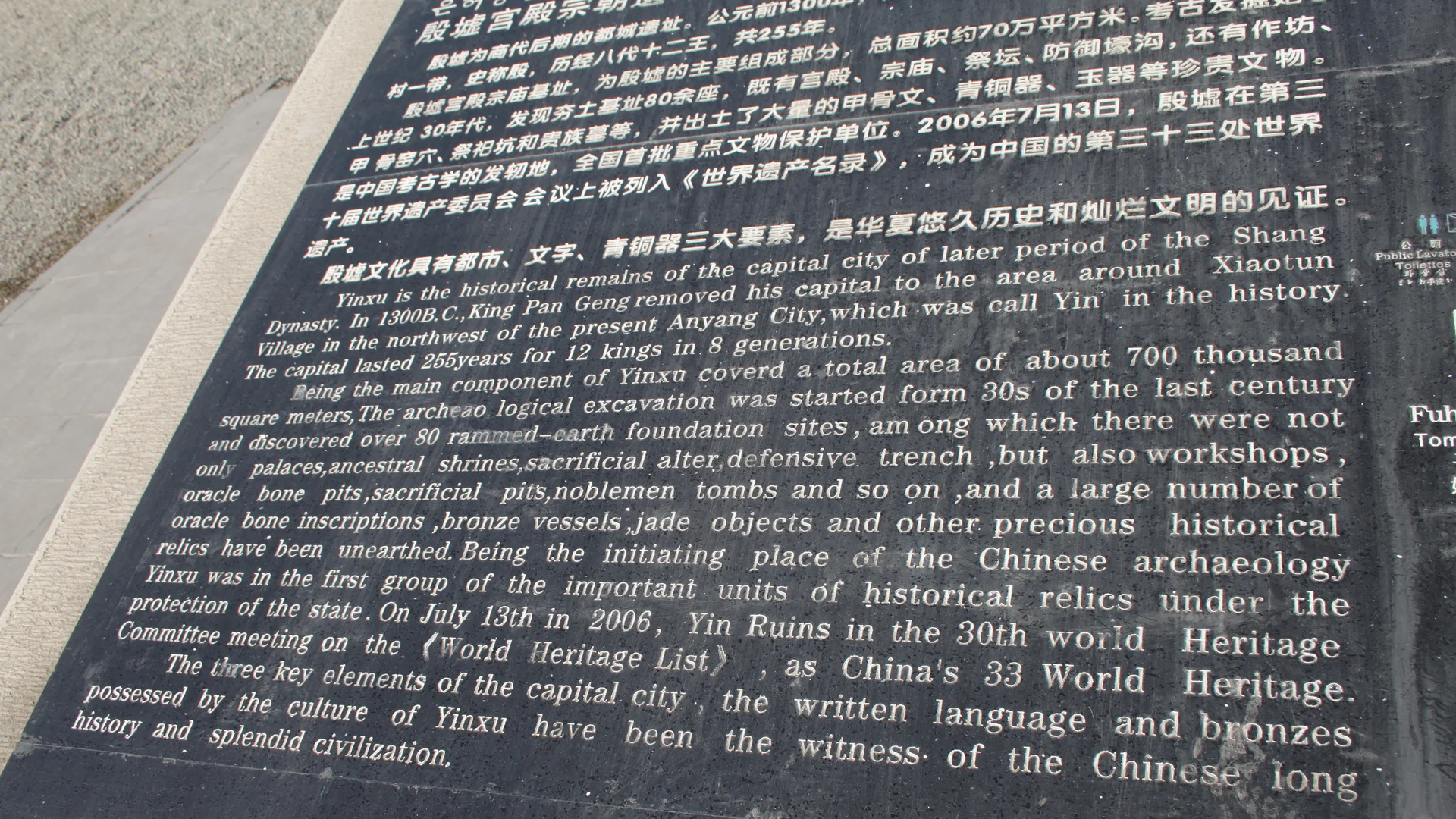 henan
henan Yinxu — The Anyang Site That Works Through Oracle Bones, Ruins, And Civilizational Weight
殷墟 · Yinxu
A rights-safe guide to Yinxu for travelers deciding whether this Shang-civilization world-heritage site deserves the Anyang detour, with practical notes on archaeological reading, ruins, and why Yinxu works best through historical imagination rather than through monumental spectacle alone.
- henan
- March to May and September to November
- Easy
 henan
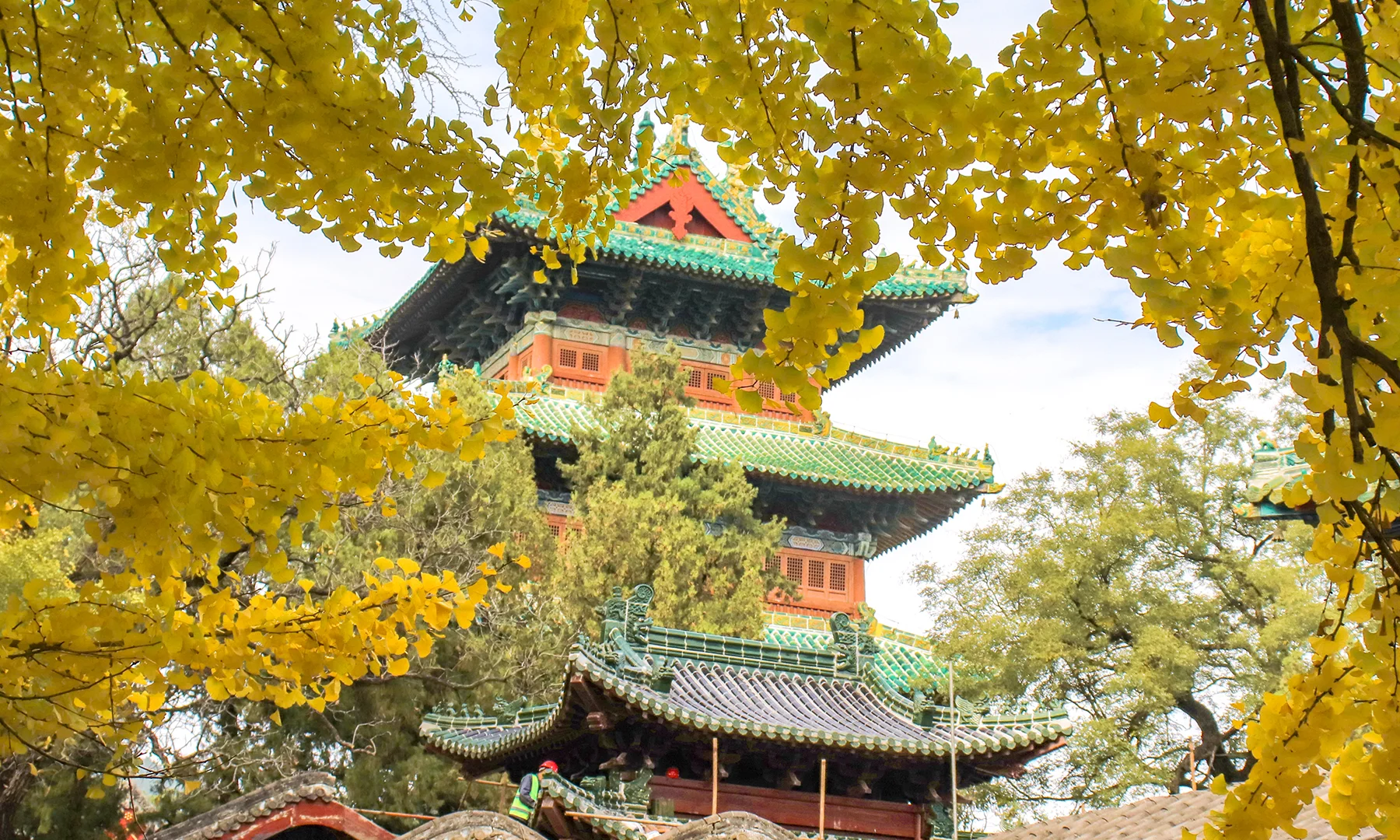
henan Shaolin Temple — The Songshan Monastery Where Ritual, Stone, And Kung Fu Myth Still Interlock
少林寺 · Shaolin Si
A rights-safe guide to Shaolin Temple for travelers deciding whether this Songshan monastery deserves a dedicated day, with practical notes on temple pacing, crowd timing, martial-culture expectations, and why Shaolin works best as a sacred complex rather than as a kung fu theme stop.
- henan
- March to May and September to November
- Easy