Quick facts
What to know before you go
Mogao Caves — The Silk Road Art Archive In The Cliffs is a curated China Hidden Gems destination in Gansu, selected for travelers who want the place, timing, effort, and logistics in one scan.
- Administrative location
- Dunhuang, Gansu
- Chinese name
- 莫高窟 · Mogao Ku
- Best season
- April to June and September to October
- Difficulty
- Easy
- Time needed
- Half day to one full heritage day
- Typical cost
- $$
- Getting there
- Base in Dunhuang and build the day around current reservation timing and official site transport rather than treating Mogao as a casual drop-in stop.
Editorial briefing
Why this place works
A rights-safe guide to Mogao Caves for travelers who want more than a checkbox UNESCO stop: Buddhist cave art, reservation timing, visitor-flow reality, and how to pair the site with a useful Dunhuang route.
Why go
- A rights-safe guide to Mogao Caves for travelers who want more than a checkbox UNESCO stop: Buddhist cave art, reservation timing, visitor-flow reality, and how to pair the site with a useful Dunhuang route.
- Mogao Caves — The Silk Road Art Archive In The Cliffs gives travelers a concrete reason to plan around Dunhuang, gansu, not just a generic first-trip city list.
- It is strongest for unesco, silk road, buddhist art, with enough practical context to compare timing, difficulty, and onward route fit.
Turn this into a trip
Save Mogao Caves — The Silk Road Art Archive In The Cliffs, then plan around it.
Keep this gem on your device, open it in your bucket list, or start a planner draft with the destination already filled in.
Trip planning intake
Ask whether Mogao Caves — The Silk Road Art Archive In The Cliffs fits your route.
This is a lightweight planning signal, not an instant concierge. Leave your trip context and a real question, and the team can reply manually after review.
Story visuals
Mogao Caves — The Silk Road Art Archive In The Cliffs
The Site That Explains Why Dunhuang Matters
Mogao Caves are the reason many travelers know the name Dunhuang before they understand the map. Cut into a cliff face on the edge of the Gobi, the cave complex preserves one of the richest surviving archives of Buddhist art anywhere on the Silk Road. Murals, painted ceilings, sculptures, donor images, and cave architecture do not just show religious devotion. They show movement: trade, translation, politics, patronage, and the way ideas traveled across Central Asia into China.
That is the first thing the page needs to protect. Mogao is not only a pretty UNESCO badge and not only a set of “cool caves in the desert.” It is a heritage site whose value comes from concentration and continuity. The traveler is not coming for one isolated masterpiece. The traveler is coming to stand at the edge of a cliff wall that compresses centuries of religious and cultural exchange into one controlled visit.
Why It Works
Mogao works for ChinaHiddenGems because it gives the product a credibility anchor. Some destinations win with immediate visual clarity. Mogao wins with depth. The caves broaden the site beyond mountain drama and old-town atmosphere into a place where the trust promise matters: conservation rules, timed entry, interpretation quality, and current access all shape whether the visit feels meaningful.
It also works because the questions are very practical. A traveler needs to know whether they can simply show up, how much of the experience is fixed by reservation slots, whether photography is possible, and how to fit the visit into one or two nights in Dunhuang. Those are not side details. They are the difference between a page that only flatters curiosity and a page that actually helps someone plan.
The third reason is that Mogao balances well against Mingsha Mountain and Crescent Spring. One is a heritage stop with controlled flow, dim interiors, and interpretive depth. The other is open sky, moving sand, and light. Keeping Mogao as its own destination page allows each to stay legible.
How To Plan The Visit
Treat Mogao as the fixed point of a Dunhuang route. Desert light is flexible. Night market wandering is flexible. Mogao usually is not. Reservation timing and site management determine the day more than spontaneous mood does, so build around the cave visit instead of trying to squeeze it between other attractions.
For most travelers, a Dunhuang base is the right choice. Stay in town, confirm the current ticket and booking model, and leave enough margin around the visit for transport, orientation, and the possibility that the experience is more guided and structured than a casual scenic stop. That structure is not a flaw. It is one of the reasons the site still exists in visitable form.
Do not promise free exploration of the cave complex. Conservation needs, viewing rotation, and on-site interpretation all matter. The honest value proposition is not “see everything.” It is “see enough, with enough context, to understand why this cliff wall is one of the great art archives of Asia.”
What To Look For
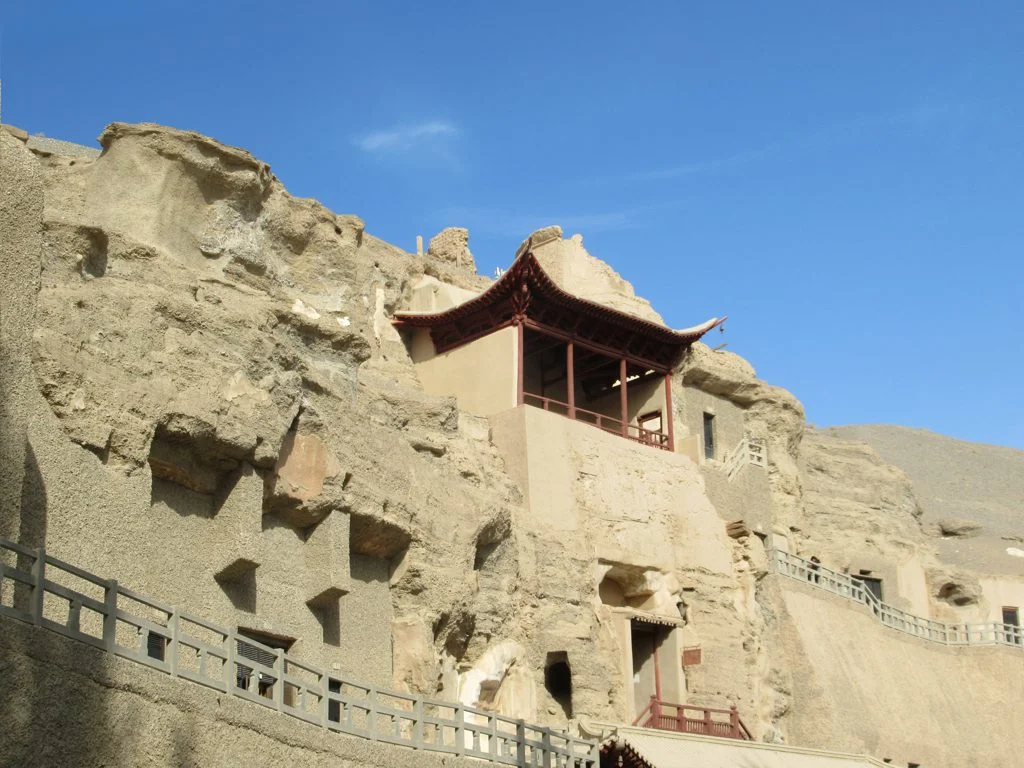
Look for accumulation rather than a single postcard moment. The caves matter because the visual language changes across time: different painting styles, different iconography, different scale, different relationships between sculpture and wall painting. Even if a traveler is not an art historian, they can still feel the density of attention that went into the site.
That is also why exterior framing matters. From outside, the cliff face gives the whole complex legibility. The geometry of openings, timber facades, and the desert edge tell the story of a place built in layers. Interior imagery can be extraordinary, but the page should not overpromise unrestricted visual access if current visitor rules keep some details controlled.
The safest editorial approach is to combine three lenses: the cliff and cave architecture, the site’s Silk Road historical role, and the current conservation logic that explains why the visit is managed the way it is.
Who Should Save It
Save Mogao Caves if you care about UNESCO sites, Buddhist art, Silk Road history, or destinations that reward slow attention more than instant thrill. It is strong for travelers who want one stop in northwestern China that feels intellectually dense as well as visually memorable.
It is weaker for people who only want a quick scenic photo stop, dislike structured site visits, or expect an unregulated wander. Mogao is not built for improvisation. Its reward is depth, not freedom of movement.
What To Confirm Before You Go
Before locking the route, confirm the current reservation rules, what the ticket includes, where transport starts from, the site’s latest visitor instructions, and the present photography policy. If a traveler gets those five things right, the visit is far more likely to feel meaningful rather than rushed.
A trustworthy page should also avoid pretending Mogao is easy to compress into a random half day. If Dunhuang is in the route because of Mogao, the city stop should bend around the caves, not the other way around.
How To Use This Page In The Tools
Mogao is ideal for a planner handoff. The best next step is not “show me everything in Dunhuang.” It is “plan one heritage-focused day anchored by Mogao, with transport and reservation timing treated as fixed constraints, then shape the rest of the stay around that.”
That framing also helps the budget tool and bucket list. Mogao is not simply another photo stop on a desert itinerary. It is the high-trust anchor that justifies staying in Dunhuang long enough to connect heritage and landscape. The page should therefore feed directly into a city-route follow-up and into Mingsha Mountain as the visual counterweight.
Traveler actions
Save, check in, share, and help other travelers judge whether this place is worth the trip.
Traveler Comments
Share your Mogao Caves — The Silk Road Art Archive In The Cliffs experience
Continue exploring
More in gansu
View all →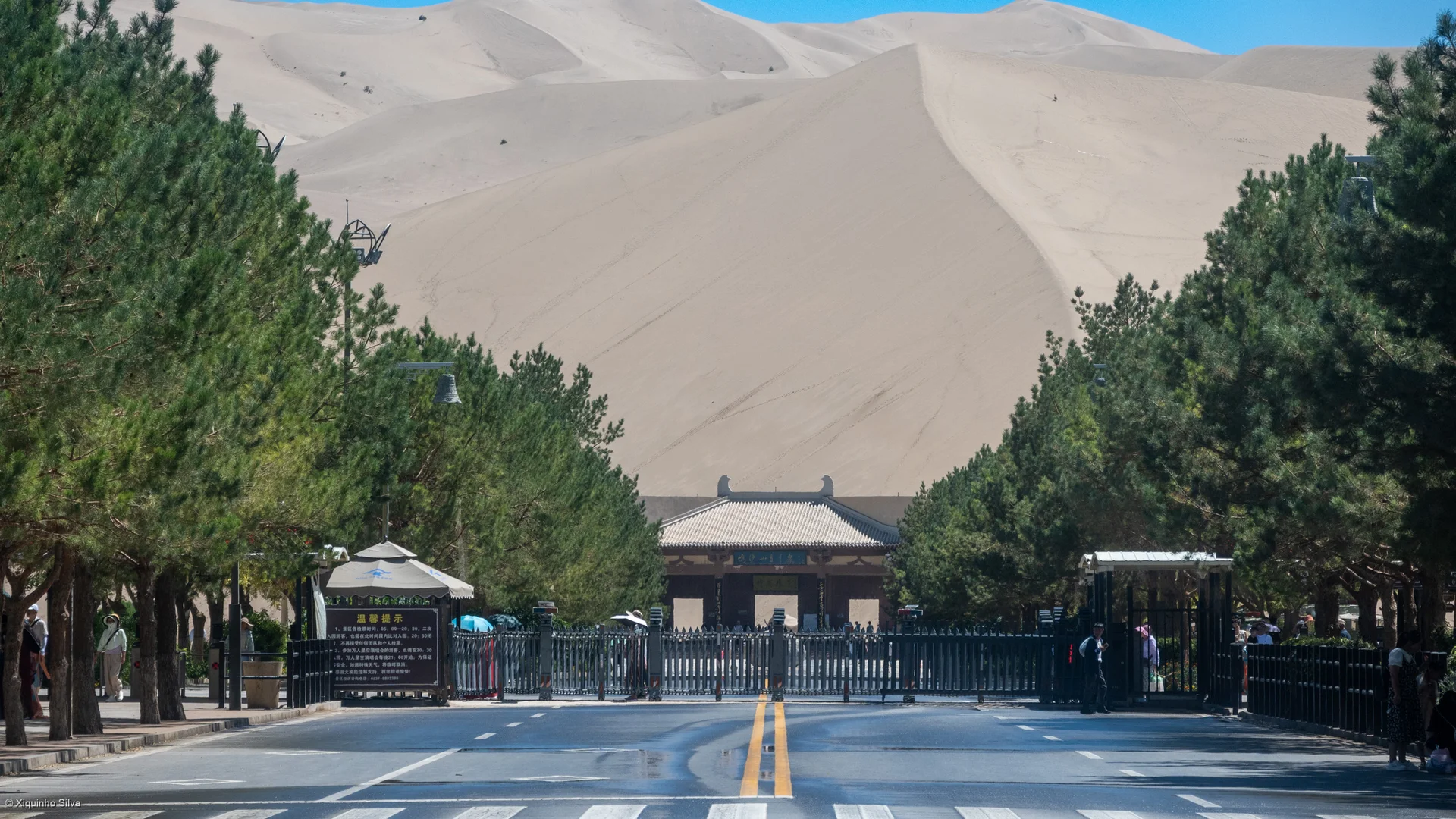 gansu
gansu Mingsha Mountain & Crescent Spring — Desert Curves, Dunes, And The Oasis That Should Not Exist
鸣沙山月牙泉 · Mingshashan Yueyaquan
A rights-safe guide to Mingsha Mountain and Crescent Spring for travelers deciding whether Dunhuang's famous dunes are worth a full stop, with honest guidance on timing, heat, crowds, and what makes the landscape memorable.
- gansu
- April to June and September to October
- Easy
 gansu
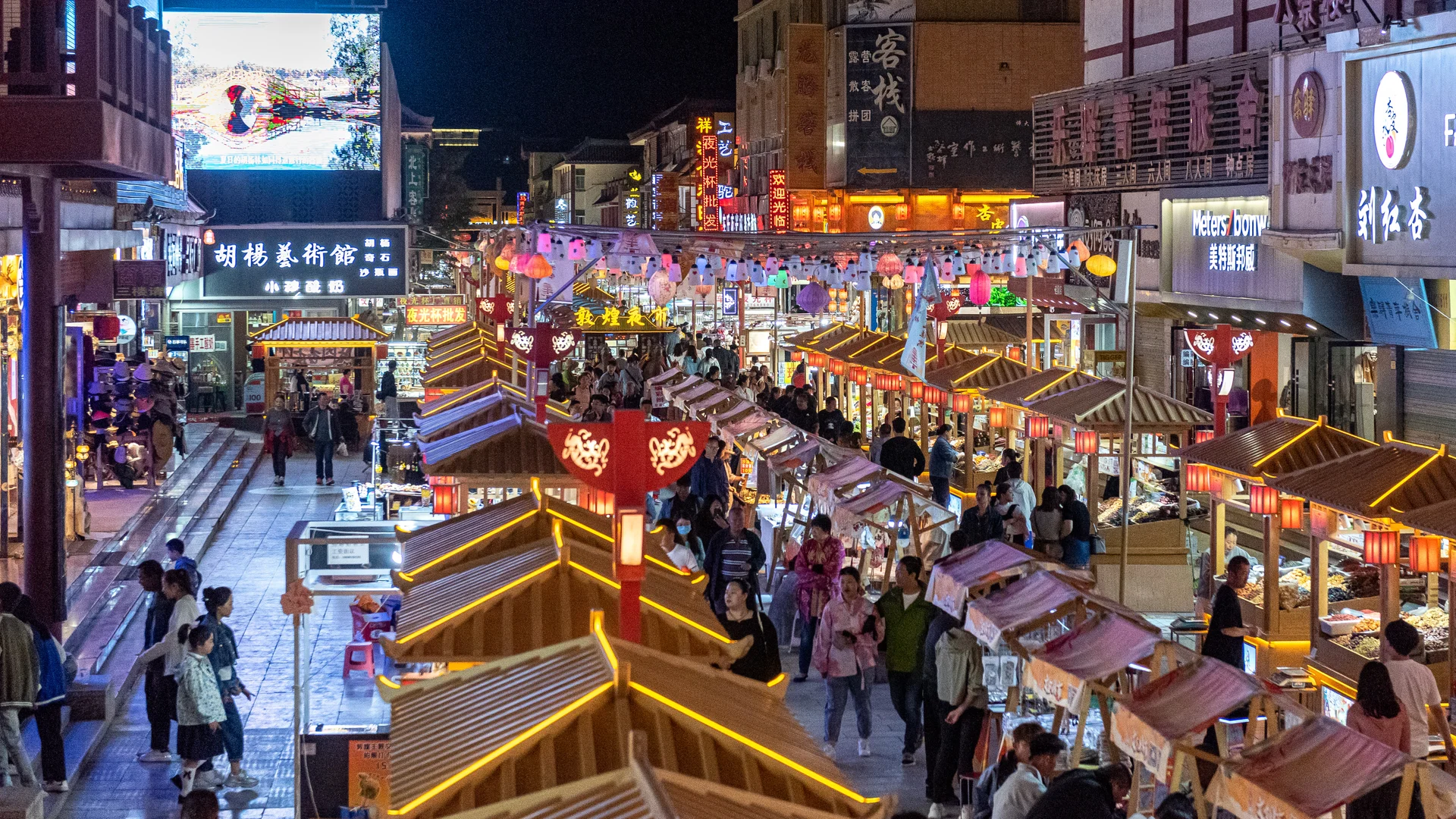
gansu Dunhuang City Route — How To Link Mogao, Desert Light, And The Town Without Wasting A Day
敦煌 · Dunhuang
A rights-safe route page for Dunhuang: where to base, how to sequence Mogao and Mingsha, what the town itself is good for, and how to avoid turning a short Silk Road stop into a transfer-heavy mess.
- gansu
- April to June and September to October
- Easy