Quick facts
What to know before you go
Hanging Temple — The Cliffside Shrine Where Structure, Risk, And Ritual Still Hold Together is a curated China Hidden Gems destination in Shanxi, selected for travelers who want the place, timing, effort, and logistics in one scan.
- Administrative location
- Datong, Shanxi
- Chinese name
- 悬空寺 · Xuankong Si
- Best season
- April to June and September to October
- Difficulty
- Easy
- Time needed
- 2-4 hours
- Typical cost
- $$
- Getting there
- Treat Hanging Temple as a capacity-controlled cliffside stop rather than a free-flow sightseeing add-on.
Editorial briefing
Why this place works
A rights-safe guide to Hanging Temple for travelers deciding whether this cliffside shrine near Datong deserves a dedicated stop, with practical notes on reservation limits, route pacing, and why the site works best as an architectural and ritual surface rather than as a pure thrill stop.
Why go
- A rights-safe guide to Hanging Temple for travelers deciding whether this cliffside shrine near Datong deserves a dedicated stop, with practical notes on reservation limits, route pacing, and why the site works best as an architectural and ritual surface rather than as a pure thrill stop.
- Hanging Temple — The Cliffside Shrine Where Structure, Risk, And Ritual Still Hold Together gives travelers a concrete reason to plan around Datong, shanxi, not just a generic first-trip city list.
- It is strongest for temple, cliffside, architecture, with enough practical context to compare timing, difficulty, and onward route fit.
Turn this into a trip
Save Hanging Temple — The Cliffside Shrine Where Structure, Risk, And Ritual Still Hold Together, then plan around it.
Keep this gem on your device, open it in your bucket list, or start a planner draft with the destination already filled in.
Trip planning intake
Ask whether Hanging Temple — The Cliffside Shrine Where Structure, Risk, And Ritual Still Hold Together fits your route.
This is a lightweight planning signal, not an instant concierge. Leave your trip context and a real question, and the team can reply manually after review.
Story visuals
Hanging Temple — The Cliffside Shrine Where Structure, Risk, And Ritual Still Hold Together
The Cliff Temple That Still Feels More Unlikely In Person Than In Photos
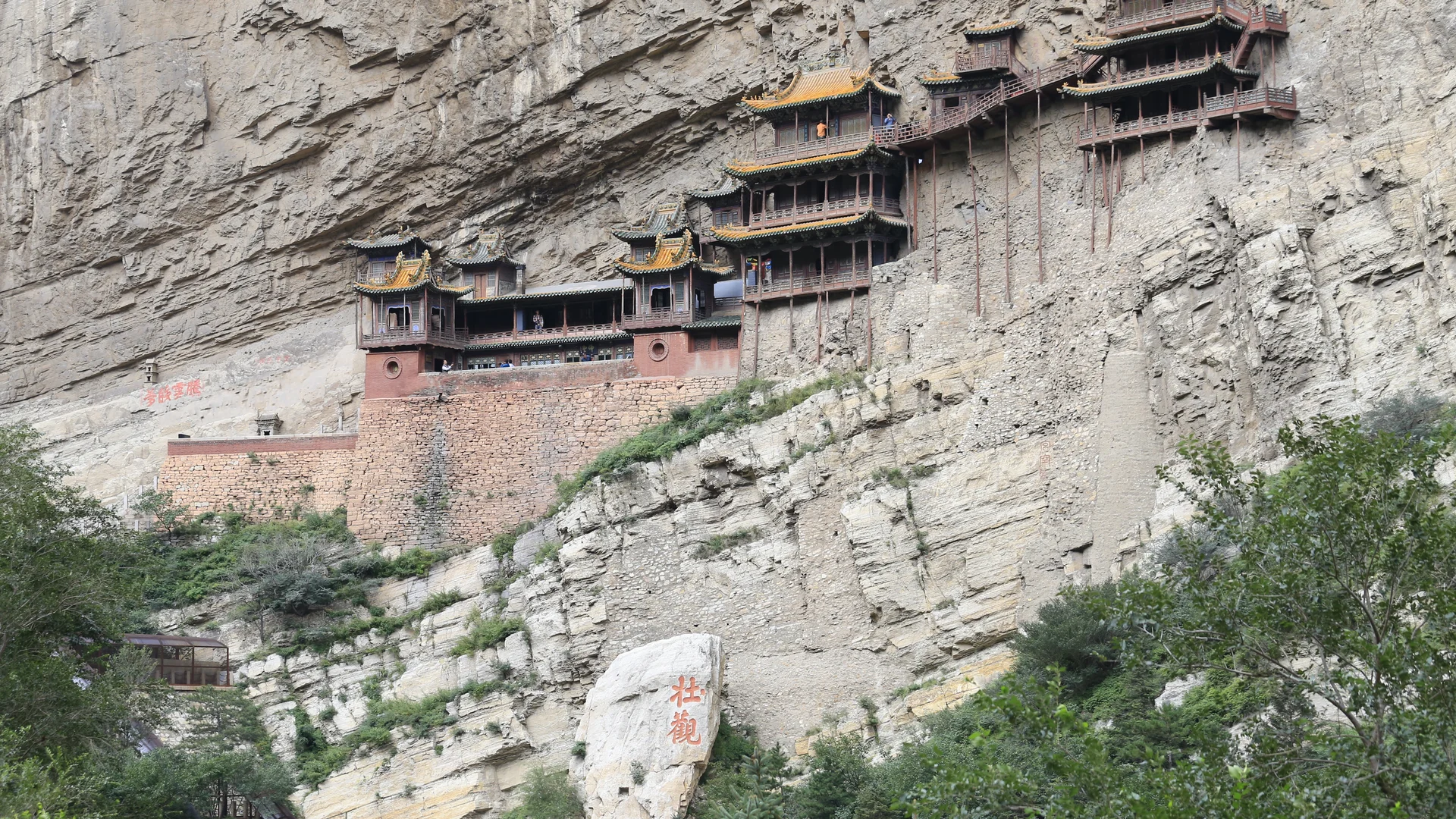
Hanging Temple is one of those destinations that risks being reduced to one adjective. People usually start with the same reaction: impossible. That instinct is understandable because the building appears to suspend itself against a cliff face in a way that seems to challenge structural common sense. But the page gets much better once it moves beyond astonishment. What matters is not only that the temple is suspended, but that the suspension still serves an actual religious and architectural whole.
That distinction matters because the site is easy to flatten into spectacle. A premium page should resist that. Hanging Temple is not a stunt attraction accidentally preserved through time. It is a carefully composed sacred structure where route, cliff, timber, and belief still reinforce one another. If the traveler arrives only to verify that the building looks risky, the visit becomes thinner than it should be.
The site also rewards scale discipline. Hanging Temple is compact. It does not need a full-day monumental reading like some cave complexes or mountain-temple systems. What it needs is enough attention for the visitor to notice how improbable engineering, narrow circulation, and mixed religious identity coexist in a small, coherent form. That compact intensity is the real product.
Why It Works
First, the building still communicates its structural audacity immediately. Unlike some heritage sites that depend on background knowledge, Hanging Temple lands on sight. The cliff placement, exposed supports, and narrow timber sequence make the site legible within seconds. That immediate legibility is one reason it remains so memorable.
Second, the destination gives Shanxi a very different sacred surface from Yungang or Pingyao. Yungang is about cliffside carving and monumental Buddhist art. Pingyao is urban continuity and walled-city logic. Hanging Temple is architectural nerve and ritual compression. That means it genuinely broadens the province rather than echoing what is already in the pool.
Third, the site holds together conceptually. Many dramatic heritage structures are visited mainly for the photograph and then collapse into thin substance. Hanging Temple avoids that because the physical arrangement, symbolic layering, and route constraints all belong to one story. The page should help the traveler see that unity instead of letting the building remain only an image.
How To Shape The Visit
Start by accepting that access control is part of the destination, not a bureaucratic annoyance around it. Reservation systems, ticket limits, and controlled climbing numbers exist because the structure is small, fragile, and physically constrained. That means route planning begins before you enter the temple itself.
The second decision is whether you want the view of the temple or the experience inside it to lead. Both matter, but they are not identical. Exterior viewing confirms the architectural improbability. Interior movement confirms how narrow, deliberate, and tactile the experience really is. A premium page should help the traveler decide how much to weight each one.
The third decision is crowd tolerance. Hanging Temple becomes much harder to read when the route turns into a single-file pressure line. The architecture is still remarkable, but its subtlety disappears if the visitor can only think about throughput. Choosing calmer windows makes a real difference.
A fourth decision is how to understand the mixed religious identity of the site. Hanging Temple is stronger when read as a layered sacred structure rather than forced into a single doctrinal label. That complexity adds value without making the page academic.
What To Prioritize
Prioritize the whole cliff relationship. The temple is not just a wooden building perched for drama. Its route, supports, and placement inside the rock environment are essential to the experience.
Prioritize physical awareness too. Few destinations still make visitors so conscious of narrow space, edge proximity, and structural daring. That bodily awareness is part of the site's force.
It is also worth prioritizing restraint. Hanging Temple does not need grand mystical prose or exaggerated fear language. The building is already extraordinary enough. The page becomes more trustworthy when it explains the site directly and lets the structure do the work.
A final priority is pacing. Because the site is compact, travelers sometimes rush it. That is a mistake. Hanging Temple improves when the visitor slows just enough to notice how each segment of walkway and chamber keeps negotiating the cliff.
What Can Go Wrong
The first mistake is treating the temple like a dare. That frame usually reduces the site to nerves and misses its architectural intelligence.
The second mistake is underestimating access constraints. On a structure like this, ticketing and climbing limits are not optional detail; they are part of the planning logic.
The third mistake is expecting the interior to feel spacious or contemplative in the ordinary temple sense. Hanging Temple is more compressed and edge-aware than that, and travelers should know it upfront.
Who Should Save It
Save Hanging Temple if you care about improbable architecture, compact sacred sites, and destinations where structural logic becomes part of the emotional experience. It is especially strong for travelers who want a Shanxi page that is neither city-based nor cave-based.
It is weaker for travelers who dislike narrow circulation, who need low-friction site visits, or who only want one exterior photo and nothing more. Hanging Temple is worth it when the traveler is willing to read both the structure and the cliff together.
What To Confirm Before You Go
Before finalizing the stop, confirm reservation and climbing-ticket conditions, decide how much you want the interior route versus the exterior view, and be honest about your crowd tolerance. The honest promise is simple: Hanging Temple is rewarding when you treat it as a compact cliffside sacred structure, not just as a risky-looking curiosity.
Traveler actions
Save, check in, share, and help other travelers judge whether this place is worth the trip.
Traveler Comments
Share your Hanging Temple — The Cliffside Shrine Where Structure, Risk, And Ritual Still Hold Together experience
Continue exploring
More in shanxi
View all →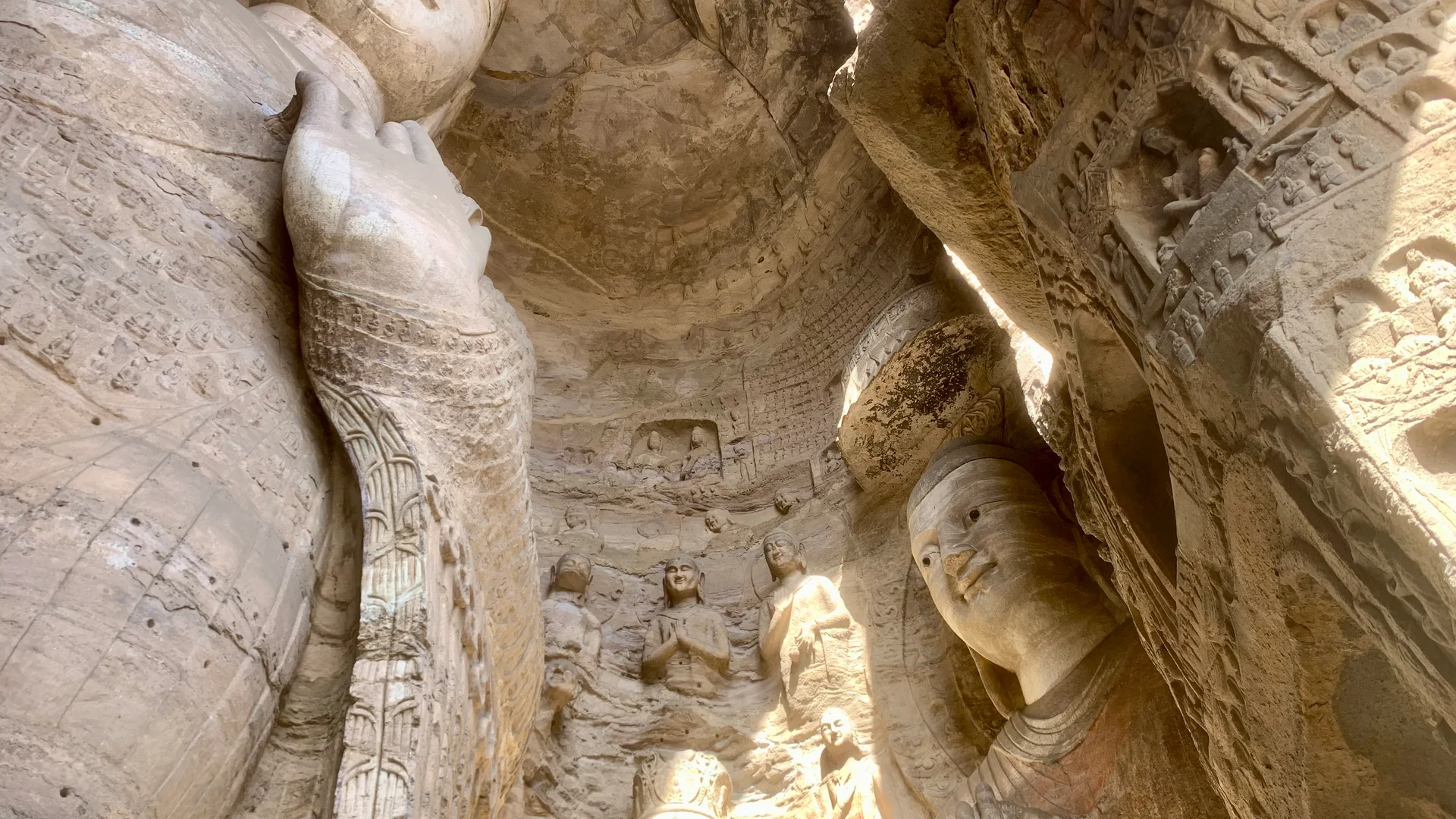 shanxi
 Yungang Grottoes — The Cliffside Buddhist Gallery That Gives Shanxi A Monumental Sacred Art Surface
云冈石窟 · Yungang Shiku
A rights-safe guide to Yungang Grottoes for travelers deciding whether this Datong cliffside cave complex deserves a dedicated stop, with practical notes on pacing, cave selection, and why Yungang works best as a monumental art route rather than as a pure statue-count exercise.
- shanxi
- April to June and September to October
- Easy
 shanxi
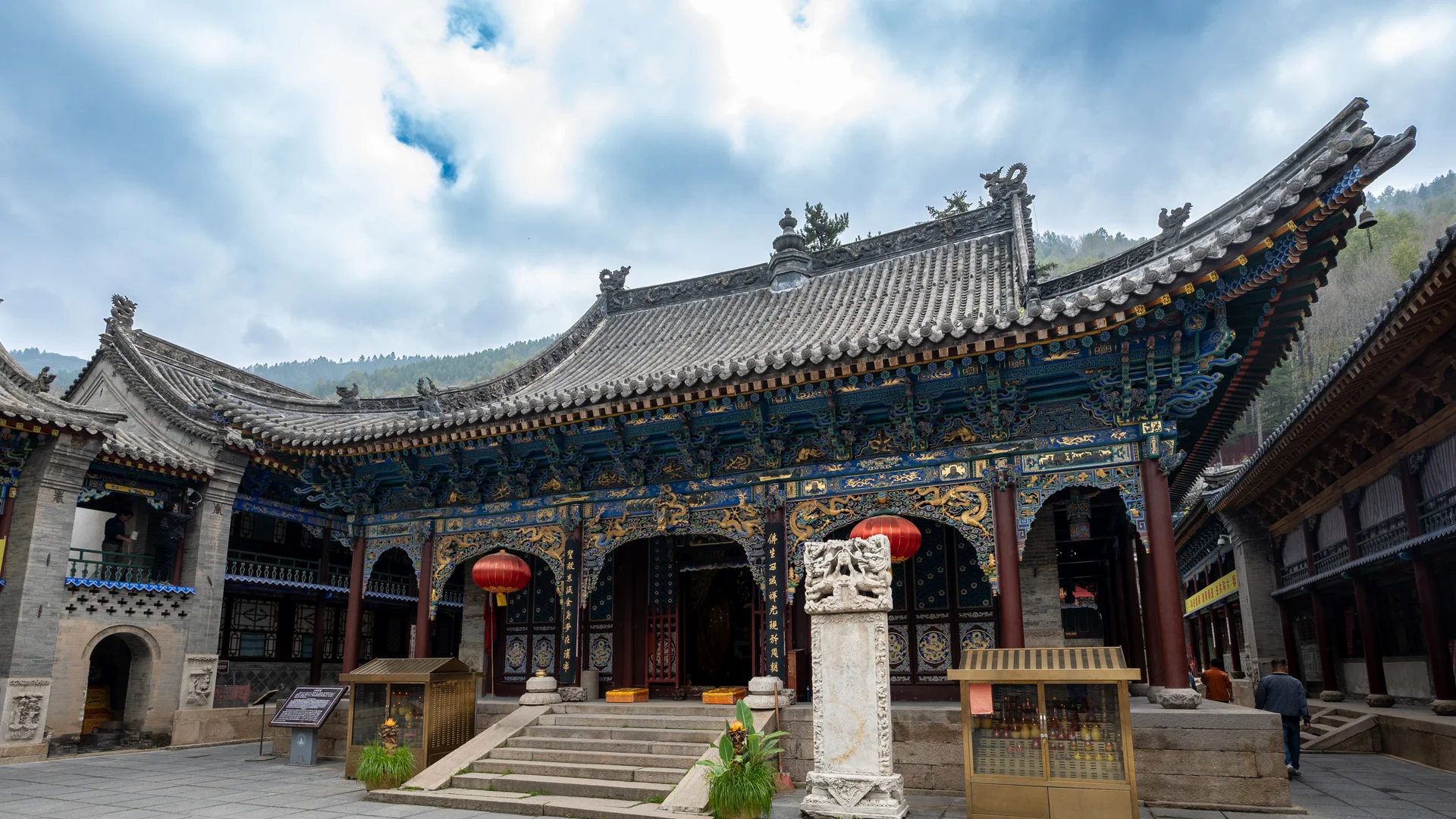
 Mount Wutai — The Sacred Buddhist Mountain That Still Requires Landscape Patience, Not Only Temple Counting
五台山 · Wutai Shan
A rights-safe guide to Mount Wutai for travelers deciding whether China's best-known Buddhist mountain deserves dedicated time, with practical notes on altitude, temple density, and why Wutai works best through pace and selection rather than exhaustive sacred-site accumulation.
- shanxi
- May to October
- Easy
 shanxi
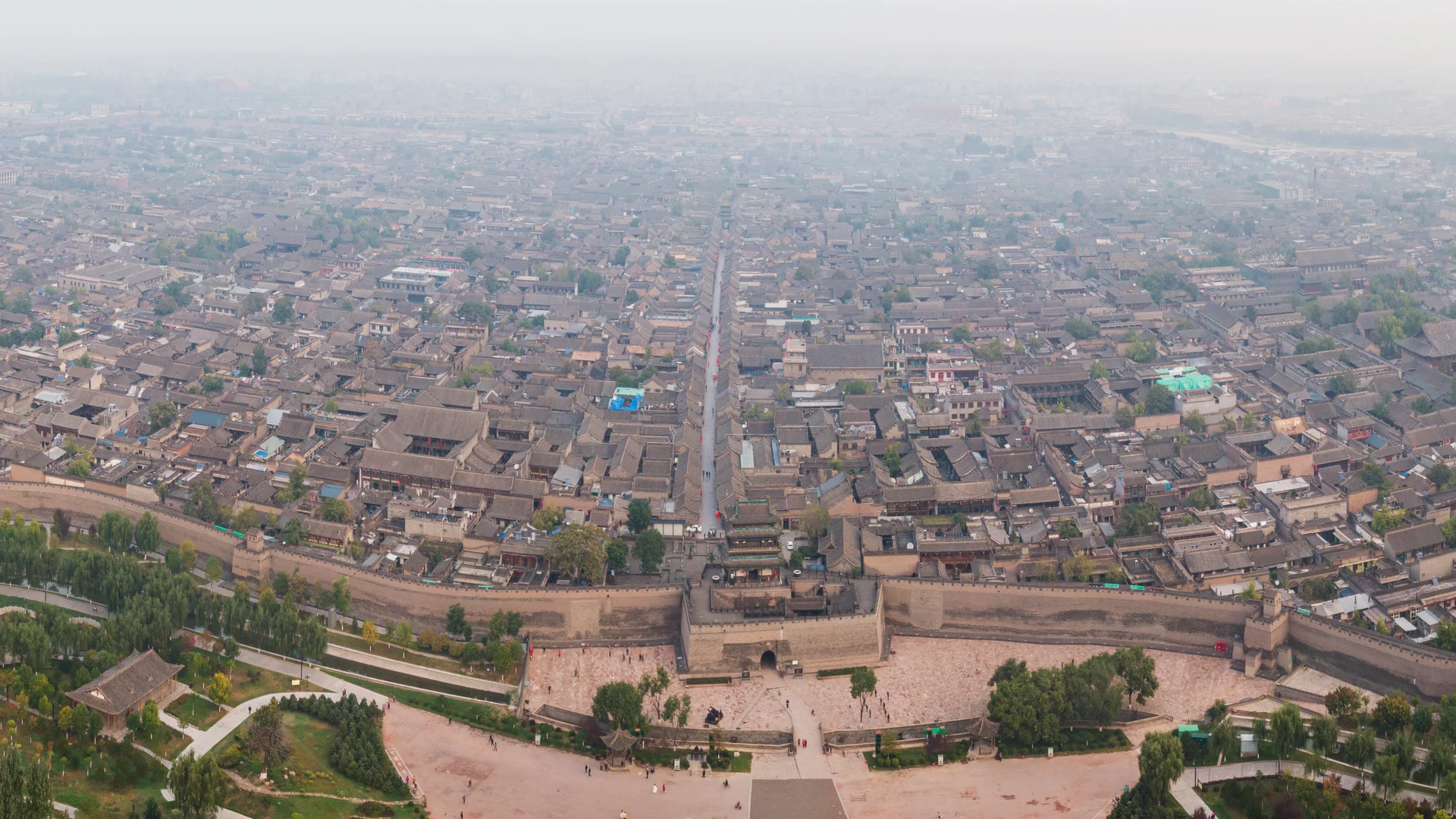
 Time-Capsule Pingyao - City Walls, Courtyards, And China's Old Banking Streets
平遥古城 · Pingyao Gucheng
A rights-safe guide to Pingyao Ancient City: city walls, old streets, courtyard architecture, banking history, walking routes, ticket checks, and why the walled city is more than a photo stop.
- shanxi
- April to June and September to October
- Easy