Quick facts
What to know before you go
Mount Wutai — The Sacred Buddhist Mountain That Still Requires Landscape Patience, Not Only Temple Counting is a curated China Hidden Gems destination in Shanxi, selected for travelers who want the place, timing, effort, and logistics in one scan.
- Administrative location
- Wutai County, Shanxi
- Chinese name
- 五台山 · Wutai Shan
- Best season
- May to October
- Difficulty
- Easy
- Time needed
- Full day
- Typical cost
- $$
- Getting there
- Treat Mount Wutai as a sacred mountain route with dispersed sites, changing altitude, and enough internal movement to make overpacking the day counterproductive.
Editorial briefing
Why this place works
A rights-safe guide to Mount Wutai for travelers deciding whether China's best-known Buddhist mountain deserves dedicated time, with practical notes on altitude, temple density, and why Wutai works best through pace and selection rather than exhaustive sacred-site accumulation.
Why go
- A rights-safe guide to Mount Wutai for travelers deciding whether China's best-known Buddhist mountain deserves dedicated time, with practical notes on altitude, temple density, and why Wutai works best through pace and selection rather than exhaustive sacred-site accumulation.
- Mount Wutai — The Sacred Buddhist Mountain That Still Requires Landscape Patience, Not Only Temple Counting gives travelers a concrete reason to plan around Wutai County, shanxi, not just a generic first-trip city list.
- It is strongest for buddhist mountain, shanxi, sacred landscape, with enough practical context to compare timing, difficulty, and onward route fit.
Turn this into a trip
Save Mount Wutai — The Sacred Buddhist Mountain That Still Requires Landscape Patience, Not Only Temple Counting, then plan around it.
Keep this gem on your device, open it in your bucket list, or start a planner draft with the destination already filled in.
Trip planning intake
Ask whether Mount Wutai — The Sacred Buddhist Mountain That Still Requires Landscape Patience, Not Only Temple Counting fits your route.
This is a lightweight planning signal, not an instant concierge. Leave your trip context and a real question, and the team can reply manually after review.
Story visuals
Mount Wutai — The Sacred Buddhist Mountain That Still Requires Landscape Patience, Not Only Temple Counting
The Sacred Mountain That Gets Smaller The More You Try To Consume It Too Fast
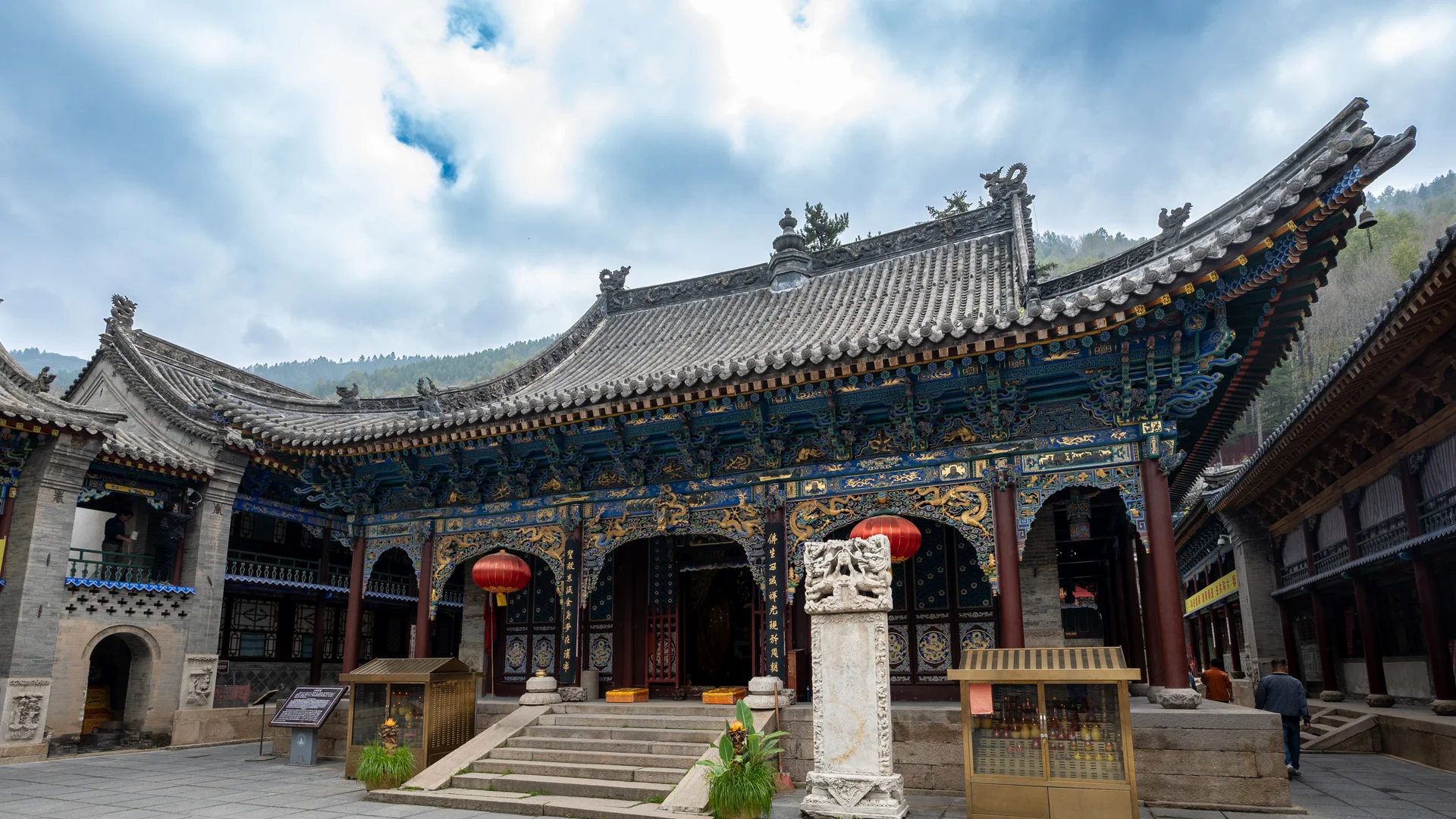
Mount Wutai is easy to approach with an accumulation mindset. Travelers hear about famous monasteries, Buddhist status, imperial patronage, and mountain sanctity, and then instinctively start building a checklist. That impulse is understandable, but it often weakens the destination. Wutai is much stronger when read as a sacred mountain landscape with distributed temples, atmosphere, and altitude rather than as a competition to see the greatest possible number of religious sites in one rush.
That distinction matters because sacred mountains are different from city monument clusters. What makes them persuasive is not just the number of important places they contain. It is the way those places relate to terrain, distance, weather, and spiritual expectation. Mount Wutai works when the visitor lets the mountain hold the temples together. If the route becomes pure accumulation, the mountain itself recedes and the whole experience flattens.
This is why Wutai still adds real value to Shanxi even after Pingyao, Yungang, and Hanging Temple. Pingyao gives the province a walled urban fabric. Yungang gives it monumental Buddhist cliff sculpture. Hanging Temple gives it cliffside architectural drama. Wutai offers something none of them can: a sacred mountain field where Buddhism, elevation, and distributed temple geography become one itinerary logic. That difference is substantial enough to justify a full page.
Why It Works
First, Mount Wutai has serious spiritual and cultural weight. Even travelers who are not religious can feel that this is not simply a scenic mountain with temples attached. The concentration of sacred associations, long history of pilgrimage, and density of religious sites create a destination whose significance is both historical and atmospheric.
Second, the mountain is visually legible as a mountain, not only as a shrine cluster. Some sacred sites become trapped inside built environments and lose the sense of their wider landscape. Wutai does not. Relief, open space, highland weather, and changing road movement all keep the visit tied to mountain scale. That is important because it protects the destination from becoming a purely architectural exercise.
Third, Wutai can handle different traveler intentions. Some visitors care most about Buddhist heritage. Some want scenic altitude with cultural depth. Others want one of China's major sacred mountains without the more theatrical crowd energy found elsewhere. Wutai can support each of those readings, but only if the page helps travelers choose a coherent route rather than assuming all types of visitors should attempt everything.
A fourth reason it works is restraint. Wutai is not at its best when overperformed. Its power comes partly from repeated temple encounters, road transitions, and shifts in atmosphere. That quieter register can be more durable than destinations that announce themselves only through spectacle.
How To Shape The Visit
Start by deciding whether you are doing a temple-priority route or a mountain-priority route. Both can succeed, but they produce different days. Temple-priority visitors should select a limited group of meaningful stops instead of attempting complete coverage. Mountain-priority visitors should preserve enough movement and weather exposure to keep the destination feeling like Wutai rather than a string of indoor visits.
The second decision is pace. Mount Wutai is weakened by hurry. Long sacred landscapes need time for transitions to matter. If the traveler over-optimizes for quantity, the route becomes spiritually and visually thinner.
The third decision is altitude and energy. Wutai does not necessarily demand extreme physical effort, but it does require enough stamina and attention to handle dispersed sites and changing mountain conditions. The page should say this plainly because some travelers mistake temple destinations for low-variance days.
A fourth decision is expectation discipline around iconicity. Wutai is not a single-image destination. Its strongest memory often comes from the accumulation of mountain atmosphere, temple density, and sacred context rather than from one perfectly recognizable frame. That is a strength, but only for travelers willing to meet the destination on those terms.
What To Prioritize
Prioritize selection. The page should help travelers choose a route logic instead of pushing them toward total coverage.
Prioritize mountain context too. Temples matter more when the visitor keeps noticing how they sit within a sacred highland environment.
It is also worth prioritizing atmosphere over sheer count. Wutai's value is not improved by exhausting yourself on every possible stop.
A final priority is honesty. Mount Wutai should not be sold as a fast bucket-list sacred site. It is better as a mountain of distributed meaning that rewards travelers who can slow down.
What Can Go Wrong
The first mistake is treating the destination as if more temples automatically equal a better visit.
Another mistake is underestimating the role of mountain pace and road movement. Wutai needs transitions to work.
The third mistake is expecting one dominant scenic climax. The mountain usually persuades through accumulation, not through a single reveal.
Who Should Save It
Save Mount Wutai if you care about Buddhist heritage, sacred geography, temple-rich mountain routes, and destinations whose strength comes from atmosphere as much as from singular landmarks. It is especially good for travelers who want a Shanxi page with spiritual and topographic depth.
It is weaker for travelers who need compact, instantly legible sightseeing or who dislike dispersed mountain-site planning. Wutai is worth it when the traveler is willing to trade total coverage for meaningful selection.
What To Confirm Before You Go
Before finalizing the route, decide whether you are prioritizing certain temples or the broader sacred-mountain experience, be realistic about altitude and transit energy, and avoid overstuffing the day. The honest promise is simple: Mount Wutai is rewarding when you let the mountain and its temple network build meaning gradually, not when you try to conquer it as a list.
Traveler actions
Save, check in, share, and help other travelers judge whether this place is worth the trip.
Traveler Comments
Share your Mount Wutai — The Sacred Buddhist Mountain That Still Requires Landscape Patience, Not Only Temple Counting experience
Continue exploring
More in shanxi
View all →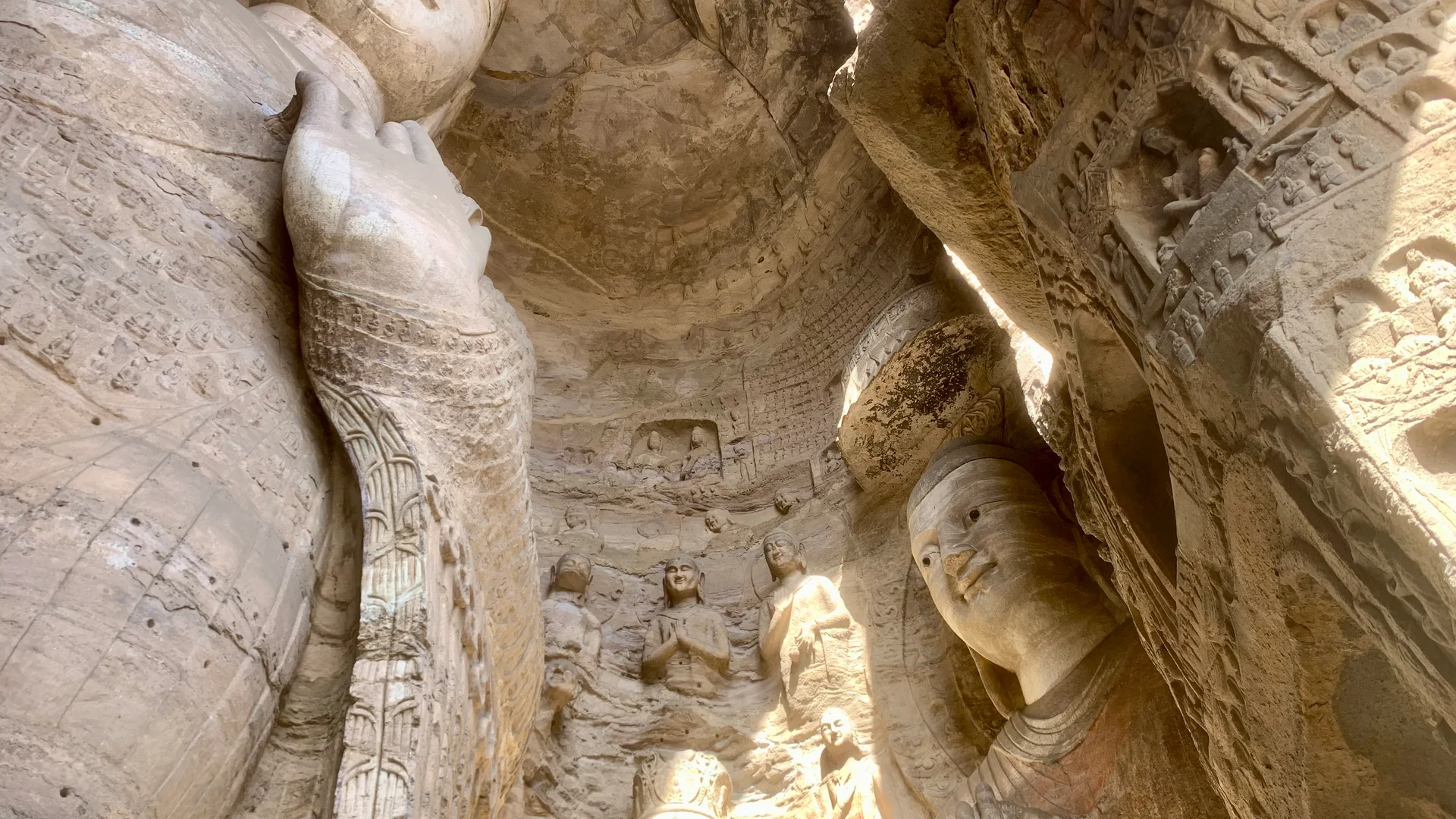 shanxi
 Yungang Grottoes — The Cliffside Buddhist Gallery That Gives Shanxi A Monumental Sacred Art Surface
云冈石窟 · Yungang Shiku
A rights-safe guide to Yungang Grottoes for travelers deciding whether this Datong cliffside cave complex deserves a dedicated stop, with practical notes on pacing, cave selection, and why Yungang works best as a monumental art route rather than as a pure statue-count exercise.
- shanxi
- April to June and September to October
- Easy
 shanxi
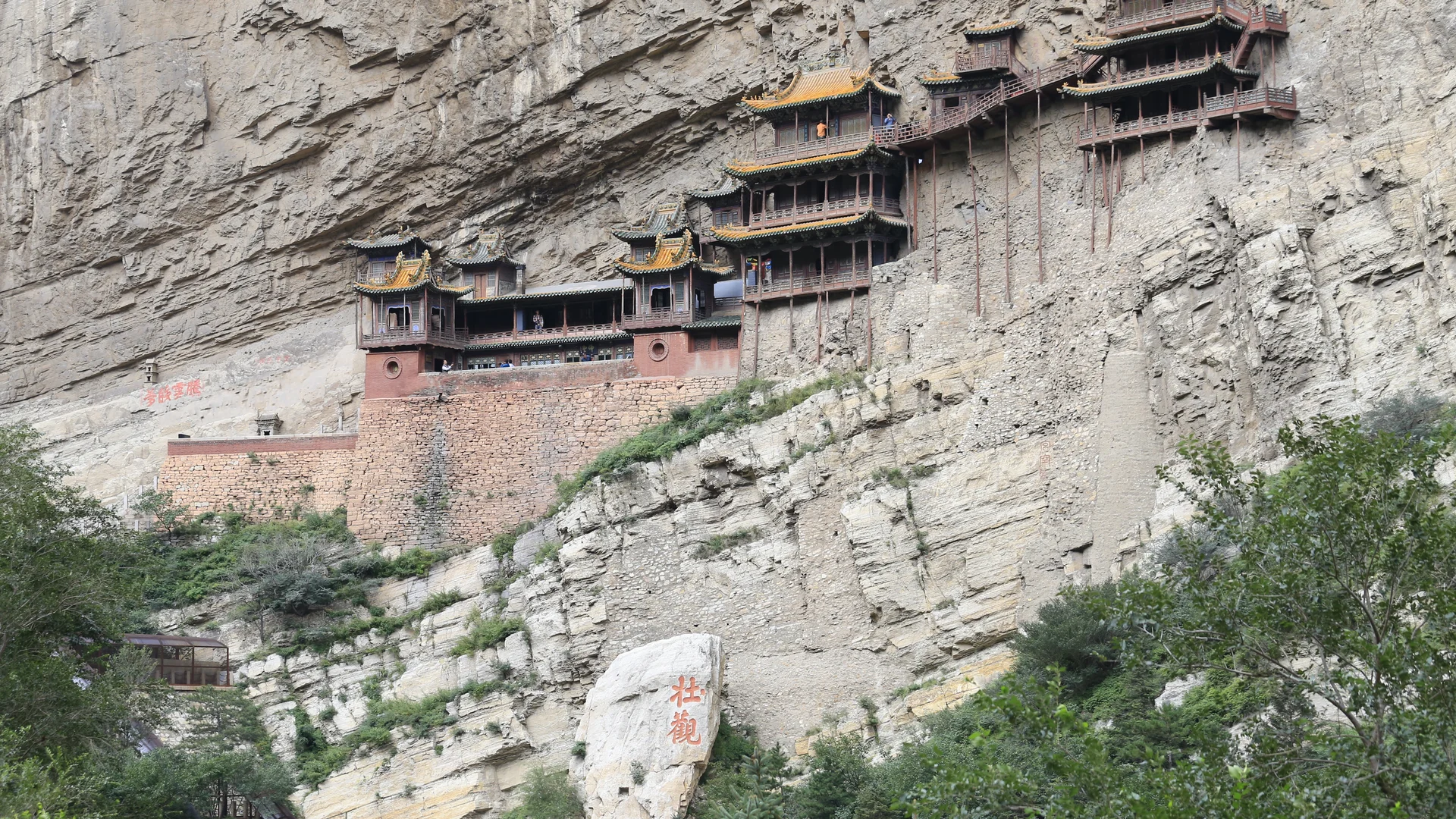
 Hanging Temple — The Cliffside Shrine Where Structure, Risk, And Ritual Still Hold Together
悬空寺 · Xuankong Si
A rights-safe guide to Hanging Temple for travelers deciding whether this cliffside shrine near Datong deserves a dedicated stop, with practical notes on reservation limits, route pacing, and why the site works best as an architectural and ritual surface rather than as a pure thrill stop.
- shanxi
- April to June and September to October
- Easy
 shanxi
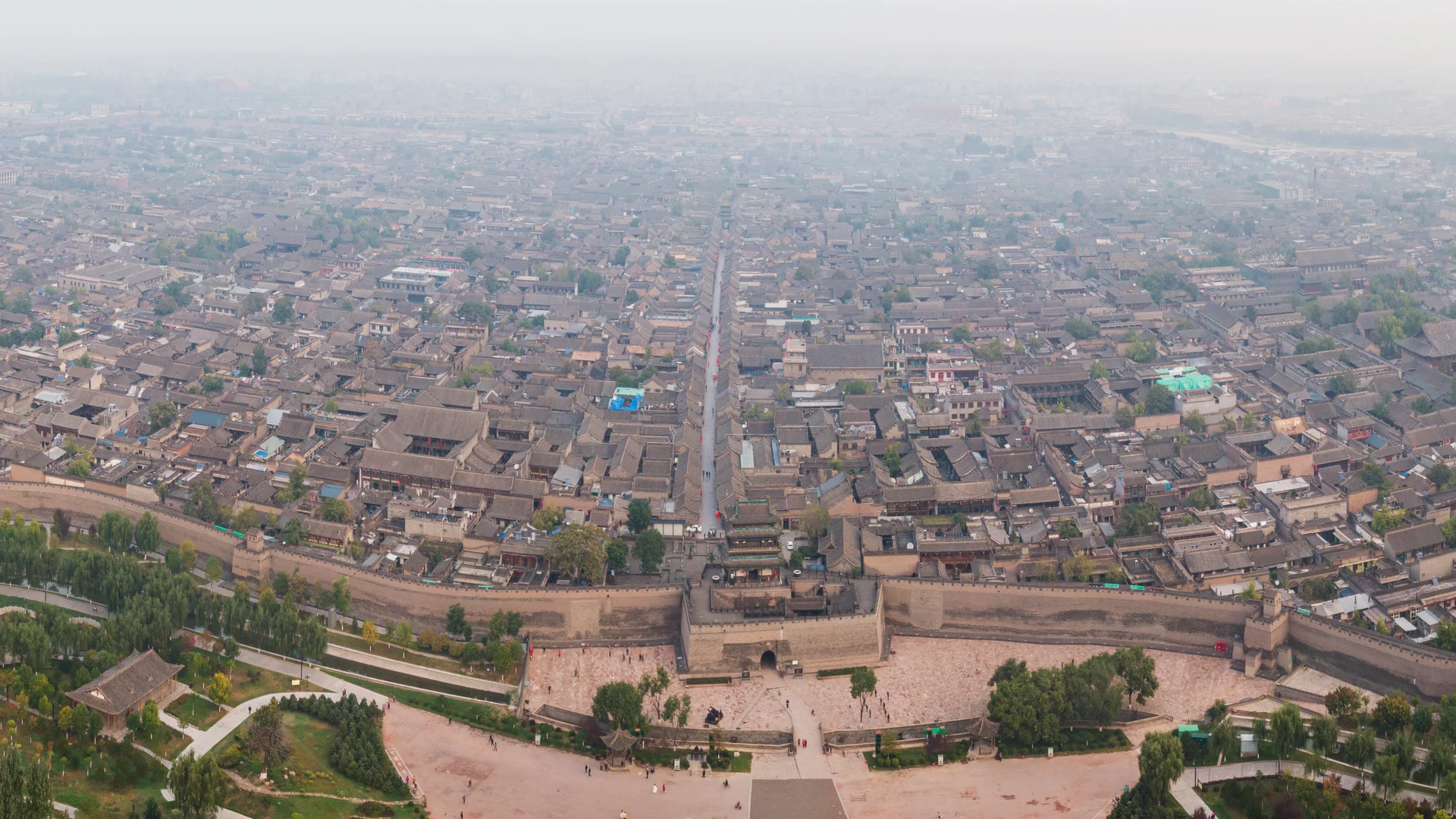
 Time-Capsule Pingyao - City Walls, Courtyards, And China's Old Banking Streets
平遥古城 · Pingyao Gucheng
A rights-safe guide to Pingyao Ancient City: city walls, old streets, courtyard architecture, banking history, walking routes, ticket checks, and why the walled city is more than a photo stop.
- shanxi
- April to June and September to October
- Easy