Quick facts
What to know before you go
Taipei 101 — The Taiwan Tower That Still Works Because Height Becomes Urban Theatre is a curated China Hidden Gems destination in Taiwan, selected for travelers who want the place, timing, effort, and logistics in one scan.
- Administrative location
- Taipei, Taiwan
- Chinese name
- 台北101 · Taibei 101
- Best season
- October to December
- Difficulty
- Easy
- Time needed
- 1-3 hours
- Typical cost
- $$
- Getting there
- Treat Taipei 101 as a timed observatory-and-district stop where visibility and skyline conditions matter more than raw duration.
Editorial briefing
Why this place works
A rights-safe guide to Taipei 101 for travelers deciding whether Taiwan's signature tower deserves more than a quick skyline proof, with practical notes on observatory timing, district context, and why the stop works best as vertical-city theatre rather than as an isolated object.
Why go
- A rights-safe guide to Taipei 101 for travelers deciding whether Taiwan's signature tower deserves more than a quick skyline proof, with practical notes on observatory timing, district context, and why the stop works best as vertical-city theatre rather than as an isolated object.
- Taipei 101 — The Taiwan Tower That Still Works Because Height Becomes Urban Theatre gives travelers a concrete reason to plan around Taipei, taiwan, not just a generic first-trip city list.
- It is strongest for skyscraper, taipei, observatory, with enough practical context to compare timing, difficulty, and onward route fit.
Turn this into a trip
Save Taipei 101 — The Taiwan Tower That Still Works Because Height Becomes Urban Theatre, then plan around it.
Keep this gem on your device, open it in your bucket list, or start a planner draft with the destination already filled in.
Trip planning intake
Ask whether Taipei 101 — The Taiwan Tower That Still Works Because Height Becomes Urban Theatre fits your route.
This is a lightweight planning signal, not an instant concierge. Leave your trip context and a real question, and the team can reply manually after review.
Story visuals
Taipei 101 — The Taiwan Tower That Still Works Because Height Becomes Urban Theatre
The Tower That Still Works Because The City Around It Is Part Of The Performance
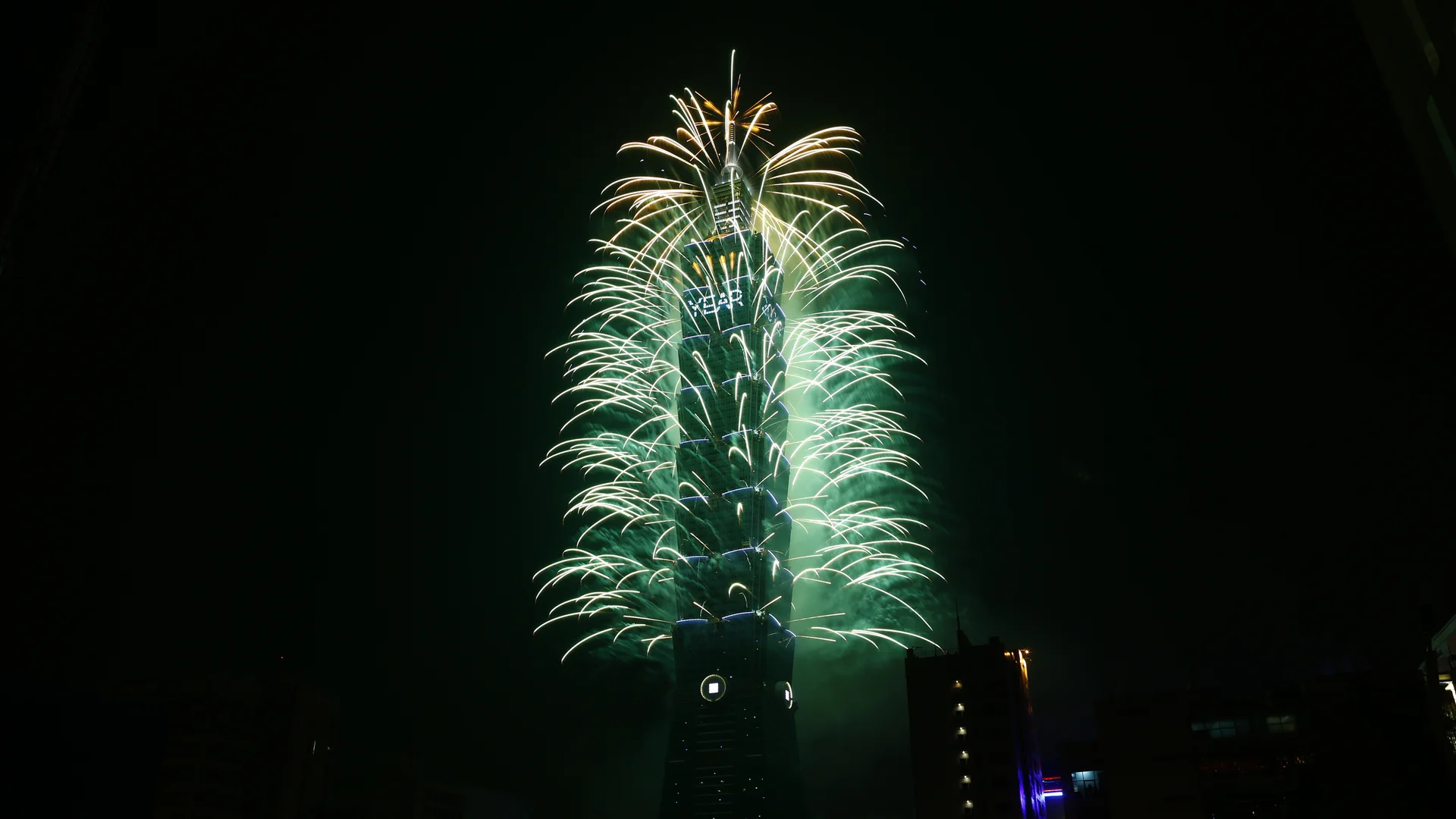
Taipei 101 is one of those destinations that can sound too obvious to need defending. It has been on postcards, rankings, and skyline lists for so long that travelers often arrive with either automatic enthusiasm or quiet skepticism. Both reactions are incomplete. Taipei 101 still works, but not because it remains the newest or tallest thing in every category. It works because height, observatory logic, engineering symbolism, and the surrounding Xinyi district still combine into a coherent urban performance. The tower matters most when treated as a way of reading Taipei's modern identity rather than as a lonely object to photograph and leave.
That distinction matters because iconic towers are easy to flatten. If the traveler only thinks in terms of "go up, look down, done," the experience can feel too simple. If the traveler expects a deeply layered heritage stop, it can feel too modern and too commercial. The better route is more exact: Taipei 101 is a modern landmark whose value comes from the way it concentrates skyline, observatory, engineering bravado, and the surrounding district's polished intensity into one highly legible stop.
This is why the page belongs in the Taiwan pool. Sun Moon Lake gives the island water-and-relief atmosphere. Alishan gives it forest-and-rail heritage movement. Taroko gives it canyon scale. Taipei 101 adds modern urban symbolism and vertical-city spectacle. That difference is editorially important and keeps Taiwan from being represented only by scenic and historic surfaces.
Why It Works
First, the tower still has visual authority. Even in an era of many tall buildings, Taipei 101 remains unusually elegant as a skyline object. Its stacked form, upward rhythm, and sheer recognizability mean that the building still carries symbolic force before you even enter it.
Second, the observatory function is real. Some tall towers promise commanding views but deliver only generic urban spread. Taipei 101 performs better because the basin, the surrounding districts, and the mountain-framed city edges give the panorama structure. The view helps Taipei make sense.
Third, the destination works because it is not just a tower. The Xinyi district around it matters. Retail scale, plaza atmosphere, transit access, and the sense of concentrated contemporary Taipei all reinforce the tower's logic. The page should say directly that Taipei 101 is stronger when read as part of a district rather than as a detached spike.
A fourth reason it works is that the engineering narrative is unusually legible to regular travelers. Taipei 101 can still be appreciated through form, height, and the tangible sense that the building is designed to perform at scale. That helps the site remain interesting even for travelers who are not architecture specialists.
How To Shape The Visit
Start by deciding whether Taipei 101 is a view-first stop or a district-first stop. Either can work, but the strongest route usually lets the two reinforce one another. The observatory gives you a skyline read; the district gives that read context before and after.
The second decision is timing. This matters more than people like to admit. Clear daylight, sunset transition, and night-time illumination all produce different versions of Taipei. The page should help travelers choose deliberately instead of pretending the building yields the same experience at any hour.
The third decision is expectation discipline. Taipei 101 is not a heritage site, and it is not trying to be one. Travelers who want old-city texture should look elsewhere. The tower is about modern urban theatre, design confidence, and commanding views.
A fourth decision is how much time you want to commit beyond the elevator ride. Taipei 101 can be a short stop, but it becomes more defensible when the visitor lets the district and viewpoint speak to one another instead of reducing the entire visit to a vertical transaction.
What To Prioritize
Prioritize visibility and time window. The observatory experience rises or falls on these choices.
Prioritize the district relationship too. Taipei 101 is more coherent when the surrounding Xinyi context remains in frame.
It is also worth prioritizing the engineering and design story just enough to explain why the tower still matters.
A final priority is keeping expectations modern. This is a contemporary urban icon, and it should be valued on those terms.
What Can Go Wrong
The first mistake is treating the stop as only an elevator ride with no attention to timing or context.
Another mistake is asking the tower to behave like a historical landmark.
The third mistake is arriving in poor visibility and then blaming the building for a weakened skyline read.
Who Should Save It
Save Taipei 101 if you care about skyline views, modern city symbols, observatories, and destinations whose appeal comes from vertical urban theatre. It is especially strong for travelers who want a Taiwan page that represents contemporary confidence rather than only landscape or heritage.
It is weaker for travelers who dislike tall-building attractions or who only want old-city atmosphere. Taipei 101 is worth it when the traveler is willing to let height, district context, and city-reading do the work.
What To Confirm Before You Go
Before finalizing the stop, check visibility, decide whether you want a day, sunset, or night read of Taipei, and avoid treating the tower as an isolated object detached from Xinyi. The honest promise is simple: Taipei 101 is rewarding when you approach it as modern urban theatre with a real observatory payoff, not as a bare skyline checkbox.
Traveler actions
Save, check in, share, and help other travelers judge whether this place is worth the trip.
Traveler Comments
Share your Taipei 101 — The Taiwan Tower That Still Works Because Height Becomes Urban Theatre experience
Continue exploring
More in taiwan
View all →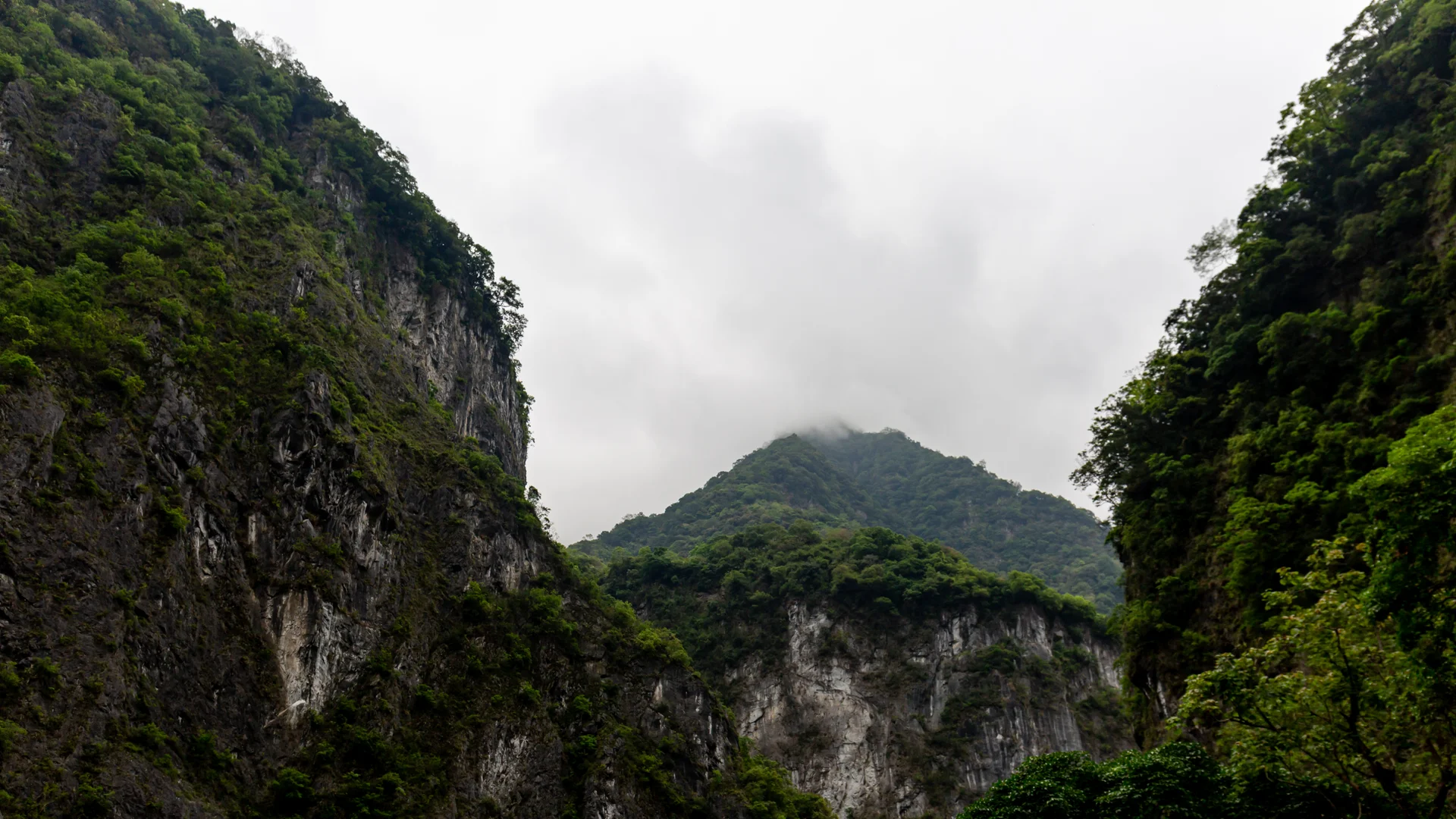 taiwan
 Taroko Gorge — The Marble Canyon Route That Now Demands Flexibility, Not Box-Ticking
太鲁阁峡谷 · Taroko Gorge
A rights-safe guide to Taroko Gorge for travelers deciding whether Taiwan’s most famous marble canyon still deserves a dedicated detour, with practical notes on current route flexibility, official status checks, and why Taroko now works best as a geology-led day rather than an old fixed checklist.
- taiwan
- October to April
- Easy
 taiwan
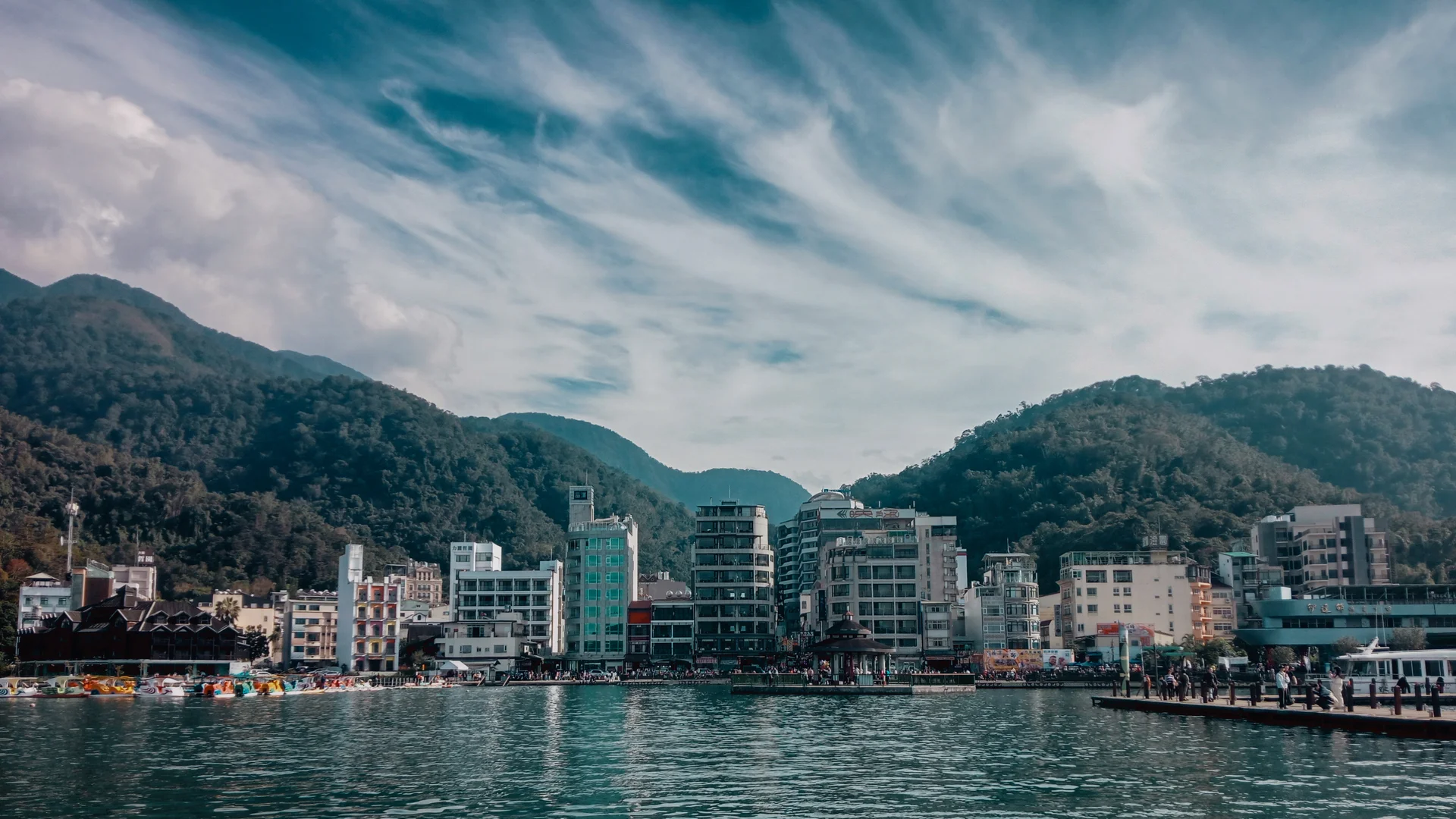
 Sun Moon Lake — The Taiwan Lake Circuit That Rewards Water, Pier, And Ropeway Rhythm
日月潭 · Riyue Tan
A rights-safe guide to Sun Moon Lake for travelers deciding whether Taiwan's most famous lake is worth real route time, with practical notes on piers, ropeway movement, shoreline pacing, and why the destination works best as a full circuit instead of a single postcard stop.
- taiwan
- October to April
- Easy
 taiwan
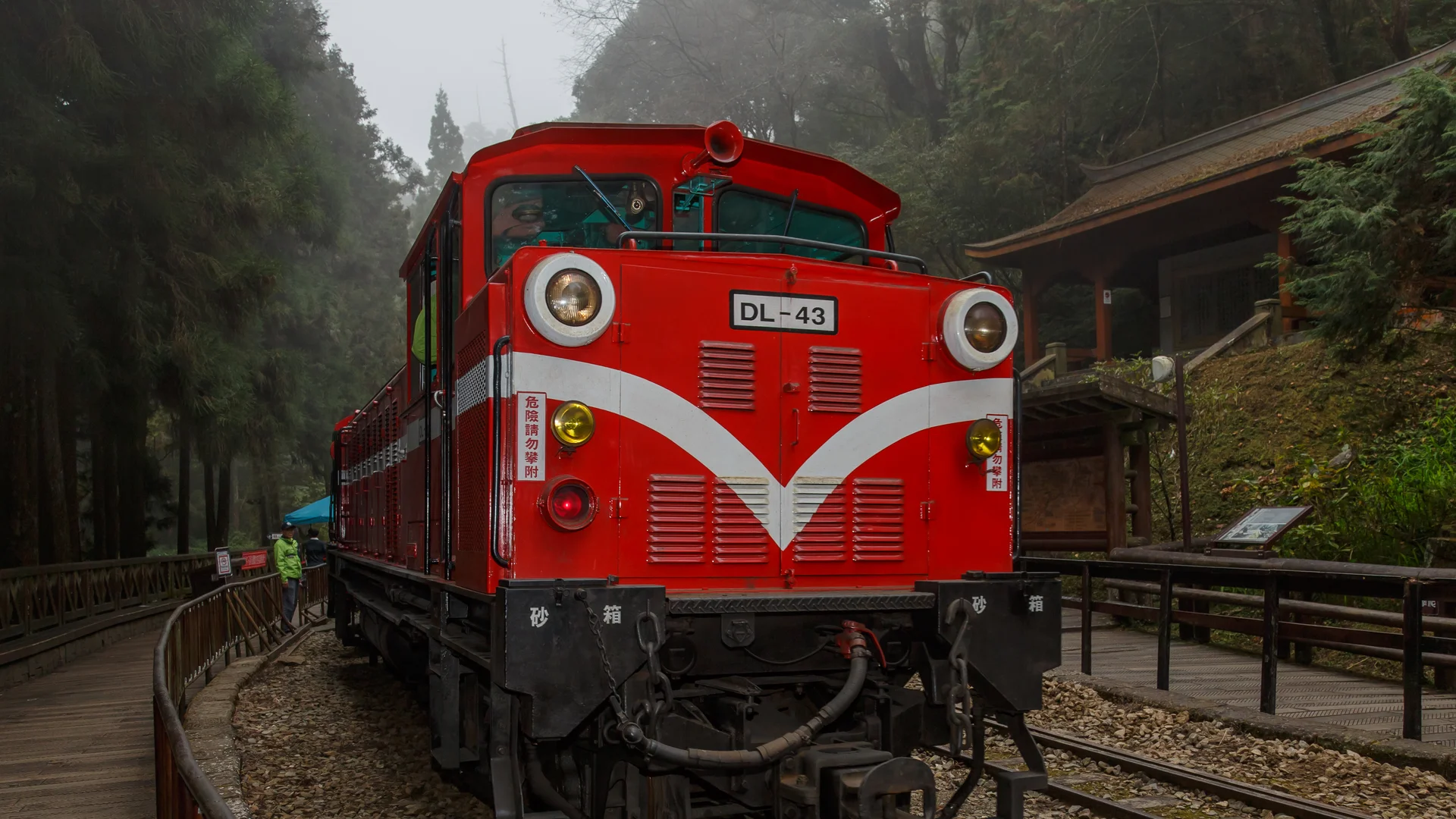
 Alishan Forest Railway — The Mountain Rail Route That Matters Because The Journey Still Has Weight
阿里山森林铁路 · Alishan Senlin Tielu
A rights-safe guide to Alishan Forest Railway for travelers deciding whether the line is worth planning around, with practical notes on branch-line timing, rolling stock, heritage depots, and why this mountain railway works best when treated as a journey instead of a decorative scenic extra.
- taiwan
- March to May and October to November
- Easy