Quick facts
What to know before you go
The Bund — The Waterfront Where Shanghai's Two Selves Still Face Each Other is a curated China Hidden Gems destination in Shanghai, selected for travelers who want the place, timing, effort, and logistics in one scan.
- Administrative location
- Shanghai
- Chinese name
- 外滩 · Waitan
- Best season
- March to May and September to November
- Difficulty
- Easy
- Time needed
- Two hours to a full evening segment
- Typical cost
- $
- Getting there
- Arrive by metro through East Nanjing Road or a direct Huangpu approach, then build the route around promenade timing rather than around transit convenience alone.
Editorial briefing
Why this place works
A rights-safe guide to the Bund for travelers planning their strongest Shanghai waterfront route, with honest advice on blue hour timing, promenade pacing, whether to cross to Pudong, and why the Bund works better as an urban sequence than as a rushed photo stop.
Why go
- A rights-safe guide to the Bund for travelers planning their strongest Shanghai waterfront route, with honest advice on blue hour timing, promenade pacing, whether to cross to Pudong, and why the Bund works better as an urban sequence than as a rushed photo stop.
- The Bund — The Waterfront Where Shanghai's Two Selves Still Face Each Other gives travelers a concrete reason to plan around Shanghai, shanghai, not just a generic first-trip city list.
- It is strongest for architecture, cityscape, photography, with enough practical context to compare timing, difficulty, and onward route fit.
Turn this into a trip
Save The Bund — The Waterfront Where Shanghai's Two Selves Still Face Each Other, then plan around it.
Keep this gem on your device, open it in your bucket list, or start a planner draft with the destination already filled in.
Trip planning intake
Ask whether The Bund — The Waterfront Where Shanghai's Two Selves Still Face Each Other fits your route.
This is a lightweight planning signal, not an instant concierge. Leave your trip context and a real question, and the team can reply manually after review.
Story visuals
The Bund — The Waterfront Where Shanghai's Two Selves Still Face Each Other
The Shanghai Page That Only Works If You Treat It As A Route
The Bund is one of the easiest destinations in China to recognize and one of the easiest to flatten into cliché. Historic facades on one side, futuristic skyline on the other, old Shanghai facing new Shanghai across the Huangpu River. The contrast is real, but on its own it is not enough to make the page useful. If the destination is reduced to one sentence and one selfie, the Bund becomes thinner than it should be.
The stronger framing is that the Bund is a waterfront sequence. It is one of the few places in Shanghai where architectural history, urban symbolism, crowd rhythm, and river movement all become legible within a walk. A good Bund page should not simply say "go at night." It should explain how the promenade changes from day to dusk to blue hour, what happens when you stay on the historic side versus crossing the river, and why the experience is strongest when the user lets the waterfront unfold instead of arriving only for proof.
Why It Works
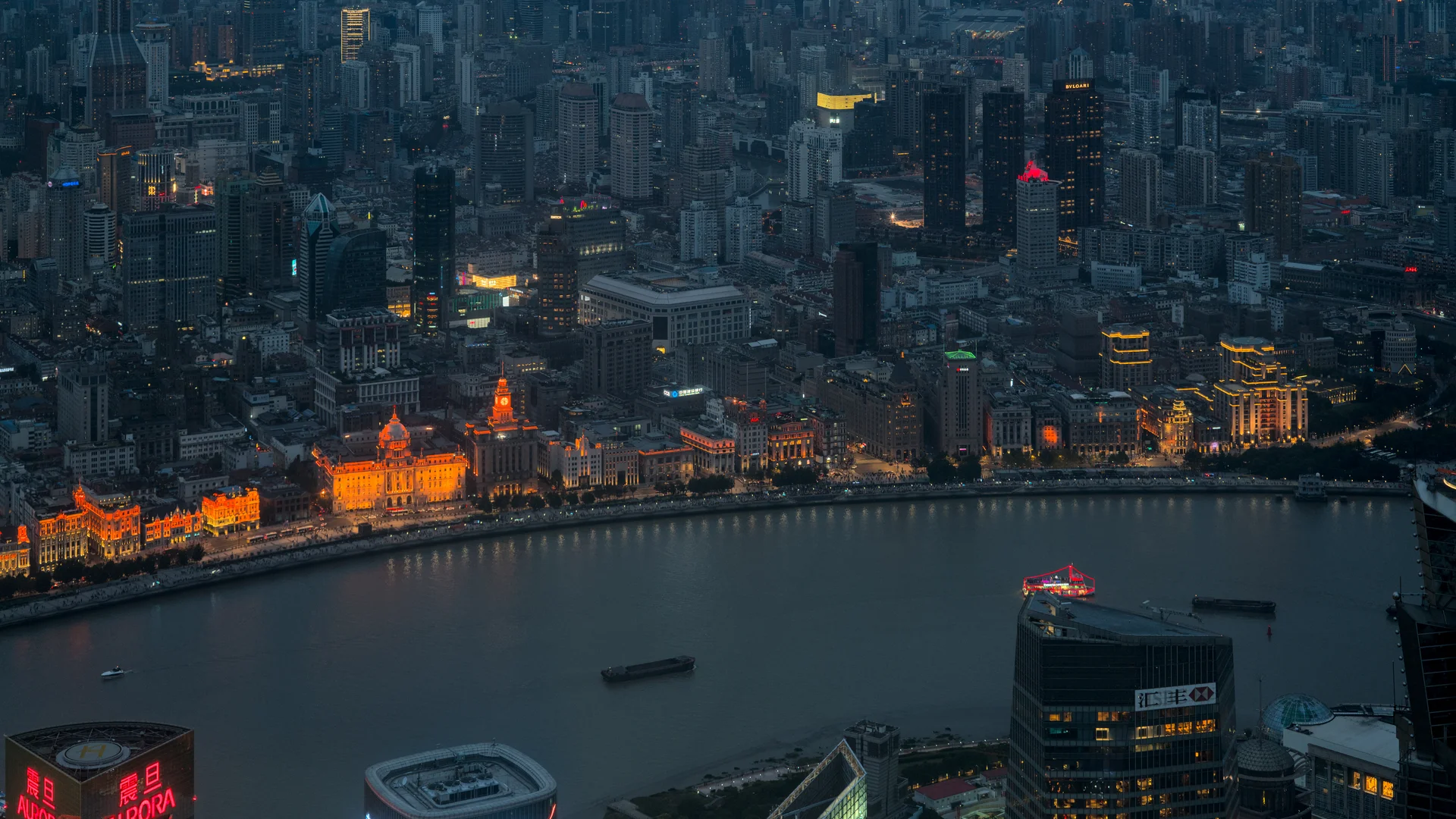
The first reason the Bund works is architectural clarity. Even first-time visitors immediately understand what they are looking at: a line of historic financial and civic buildings facing one of the most legible modern skylines in Asia. That clarity matters for the destination system. The Bund is not just famous. It is visually immediate, and it supports a Shanghai flagship page with almost no explanation needed before the route value starts.
The second reason is that the Bund is stronger than a static viewpoint. People often talk about it as a place to arrive, take one picture, and move on. In practice, the promenade changes every few minutes. Views open and narrow, facades gain more meaning once you slow down, the skyline changes as light drops, and the waterfront only really lands when the traveler lets the historic side and the river do their work. That makes it route-worthy rather than merely iconic.
The third reason is that timing genuinely matters. Midday can still be useful for reading architecture, but dusk and early night give the Bund its strongest emotional payoff. The page should say that directly while staying honest that the same timing also attracts more people. The premium guidance is not pretending that the Bund is empty. It is helping the traveler choose the right moment and the right pace anyway.
How To Plan The Walk
Treat the Bund as a deliberate urban segment rather than as an accidental detour after shopping. East Nanjing Road is a practical access spine, but it should not define the whole experience. The stronger move is to arrive with enough energy and time to walk the promenade, watch the river, and decide whether your route stays on the historic side or continues into a ferry or river-crossing sequence.
For many first-time visitors, staying Bund-first is the right starting point. The facades need a little time before Pudong steals attention. That matters because the destination is not just a skyline viewing platform. It is also one of the clearest places to feel how Shanghai's historic trade and finance image was staged along the riverfront.
Crossing to Pudong can still be valuable, but it should be treated as a second movement, not as the mandatory completion of the page. Some travelers will get more from a slower Bund promenade and one strong skyline pause than from overextending into a longer two-shore sprint. Others will want the full urban contrast and should build the crossing into the plan from the start. The page should support both without pretending there is one correct ritual.
What To Prioritize
Prioritize the promenade, not just the panorama. The Bund is strongest when the visitor walks enough of it to feel the shift between crowd clusters, terrace views, and building rhythm. The skyline is not going anywhere. What changes is whether the traveler experiences the place as a living urban front or as a single postcard frame.
Blue hour is usually the highest-confidence time for first-time visitors because it lets both sides of the river hold the frame at once. The facades still read, the skyline begins to glow, and the river keeps some depth. Full darkness can still be dramatic, but it pushes the destination more toward spectacle than balance. Daytime is useful for architecture but rarely the Bund's most emotionally complete version.
The page should also be direct about density. The Bund is not a hidden promenade and should never be sold as one. The reward is not emptiness. The reward is that the walk still feels symbolic and visually coherent even with other people around. That is what makes it durable as a Shanghai flagship.
Who Should Save It
Save the Bund if you want one Shanghai destination that makes the city readable fast without becoming shallow. It is strongest for first-time visitors, architecture and city-photography travelers, travelers who want one urban route with immediate payoff, and users trying to decide where Shanghai's image actually lives.
It is weaker for travelers seeking solitude, neighborhood intimacy, or a long-form cultural deep dive. The Bund is iconic and public by nature. Its strength is compression and clarity, not secrecy.
What To Confirm Before You Go
Before finalizing the route, confirm current waterfront access conditions, whether any elevated terraces or public-view areas you care about are open, and whether your visit is built around dusk, early night, or a daytime architecture pass. Also decide whether the Bund is the main event of the evening or one chapter in a larger riverfront route. That choice changes pace more than people expect.
The honest promise is simple: the Bund is worth the time when you approach it as Shanghai's most legible urban walk, not just as a background image.
How To Use This Page In The Tools
The Bund should hand off to the planner as a timing-and-sequence question, not as a generic skyline stop. The useful prompt is "plan a Bund route that prioritizes blue hour, gives the historic waterfront real time before any river crossing, and makes clear whether Pudong belongs in the same sequence or not." That gives the planning tools something concrete to optimize instead of a tourist cliché.
Traveler actions
Save, check in, share, and help other travelers judge whether this place is worth the trip.
Traveler Comments
Share your The Bund — The Waterfront Where Shanghai's Two Selves Still Face Each Other experience
Continue exploring
More in shanghai
View all →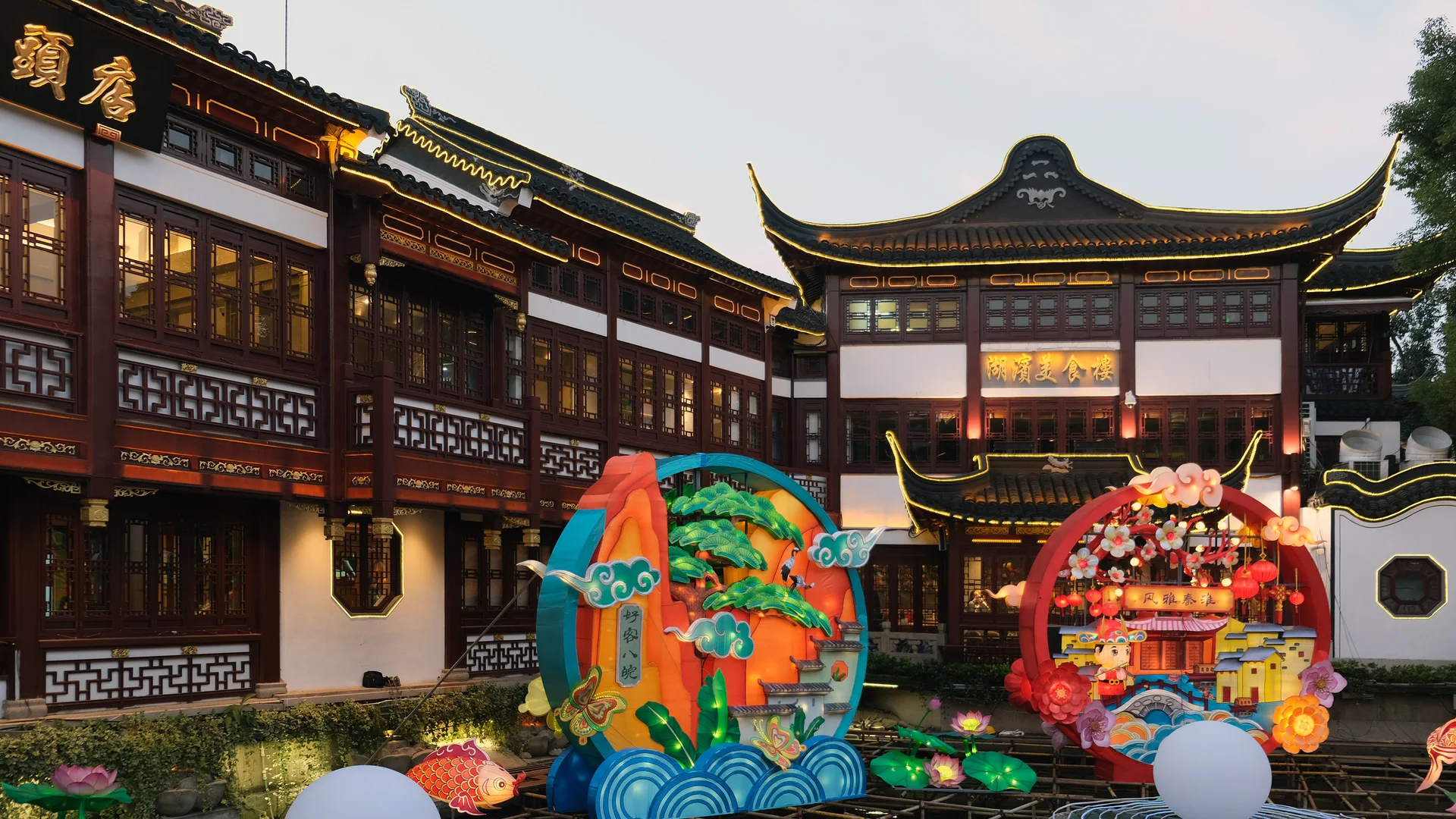 shanghai
 Yuyuan Garden — The Shanghai Classical Garden That Works Through Compression, Ornament, And Urban Contrast
豫园 · Yuyuan
A rights-safe guide to Yuyuan Garden for travelers deciding whether Shanghai's best-known classical garden deserves dedicated time, with practical notes on crowd timing, ornament density, and why Yuyuan works best through enclosed composition rather than as a generic old-town stroll.
- shanghai
- March to May and October to November
- Easy
 shanghai
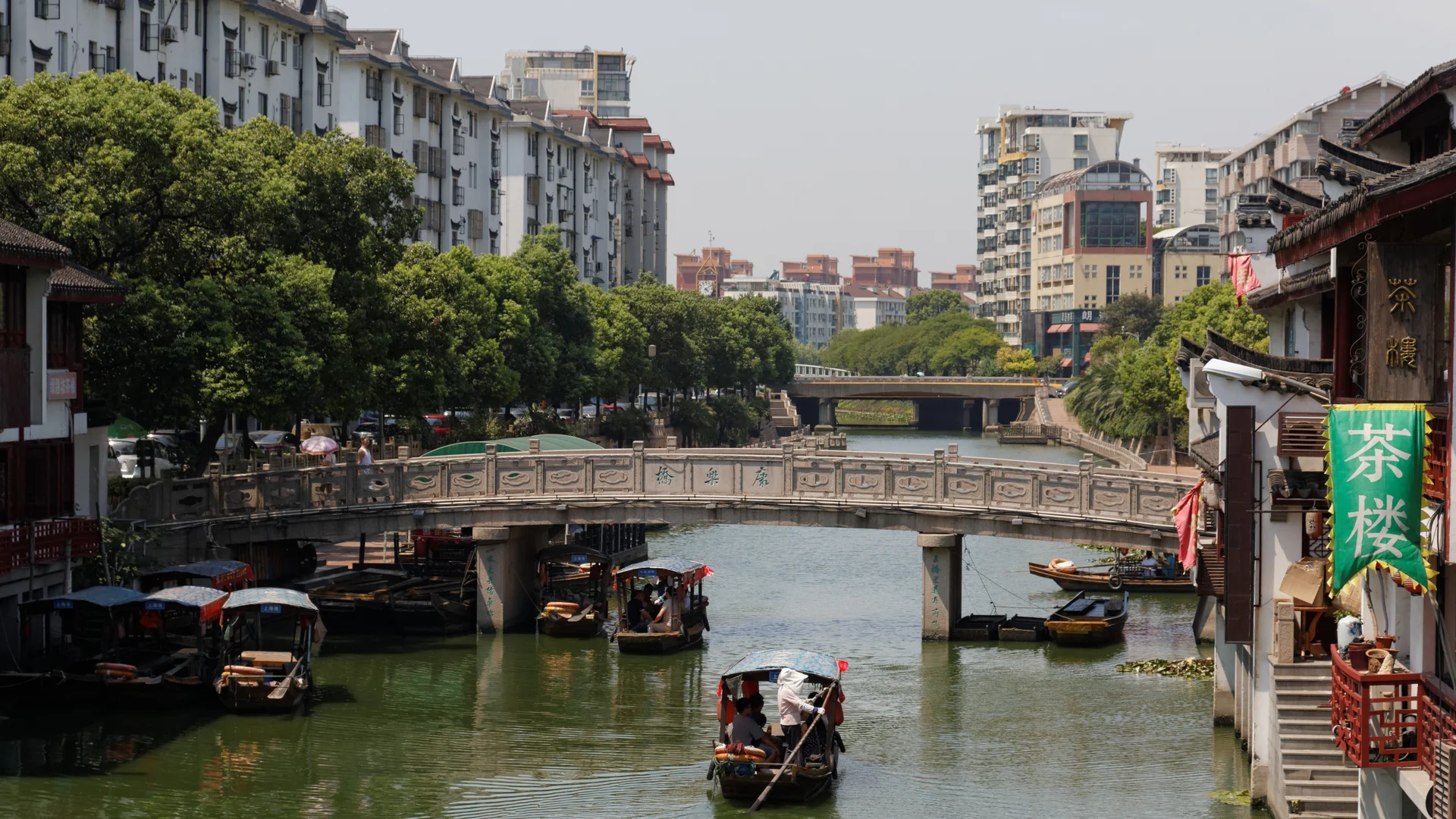
 Qibao Ancient Town — The Shanghai Water Town That Still Works When You Treat It As A Short Urban Reset
七宝古镇 · Qibao Guzhen
A rights-safe guide to Qibao Ancient Town for travelers deciding whether this compact Shanghai water town deserves time off the main urban circuit, with practical notes on crowd timing, snack-street density, and why Qibao works best as a short atmospheric reset rather than a full Jiangnan substitute.
- shanghai
- March to May and October to November
- Easy