Quick facts
What to know before you go
Namtso Lake — The High-Altitude Blue That Only Works If You Respect Pace And Weather is a curated China Hidden Gems destination in Tibet, selected for travelers who want the place, timing, effort, and logistics in one scan.
- Administrative location
- Lhasa, Tibet
- Chinese name
- 纳木错 · Namtso
- Best season
- June to September
- Difficulty
- Moderate
- Time needed
- Full day
- Typical cost
- $$
- Getting there
- Treat Namtso as a full high-altitude outing from Lhasa or the northern plateau corridor rather than as a casual scenic detour.
Editorial briefing
Why this place works
A rights-safe guide to Namtso Lake for travelers deciding whether the road, altitude, and open shoreline are worth the outing, with practical notes on weather, pacing, exposure, and why this Tibetan lake works best when it is treated as a full route rather than a quick postcard stop.
Why go
- A rights-safe guide to Namtso Lake for travelers deciding whether the road, altitude, and open shoreline are worth the outing, with practical notes on weather, pacing, exposure, and why this Tibetan lake works best when it is treated as a full route rather than a quick postcard stop.
- Namtso Lake — The High-Altitude Blue That Only Works If You Respect Pace And Weather gives travelers a concrete reason to plan around Lhasa, tibet, not just a generic first-trip city list.
- It is strongest for lake, high altitude, plateau, with enough practical context to compare timing, difficulty, and onward route fit.
Turn this into a trip
Save Namtso Lake — The High-Altitude Blue That Only Works If You Respect Pace And Weather, then plan around it.
Keep this gem on your device, open it in your bucket list, or start a planner draft with the destination already filled in.
Trip planning intake
Ask whether Namtso Lake — The High-Altitude Blue That Only Works If You Respect Pace And Weather fits your route.
This is a lightweight planning signal, not an instant concierge. Leave your trip context and a real question, and the team can reply manually after review.
Story visuals
Namtso Lake — The High-Altitude Blue That Only Works If You Respect Pace And Weather
The Tibetan Lake That Stops Working When You Treat Altitude As A Detail
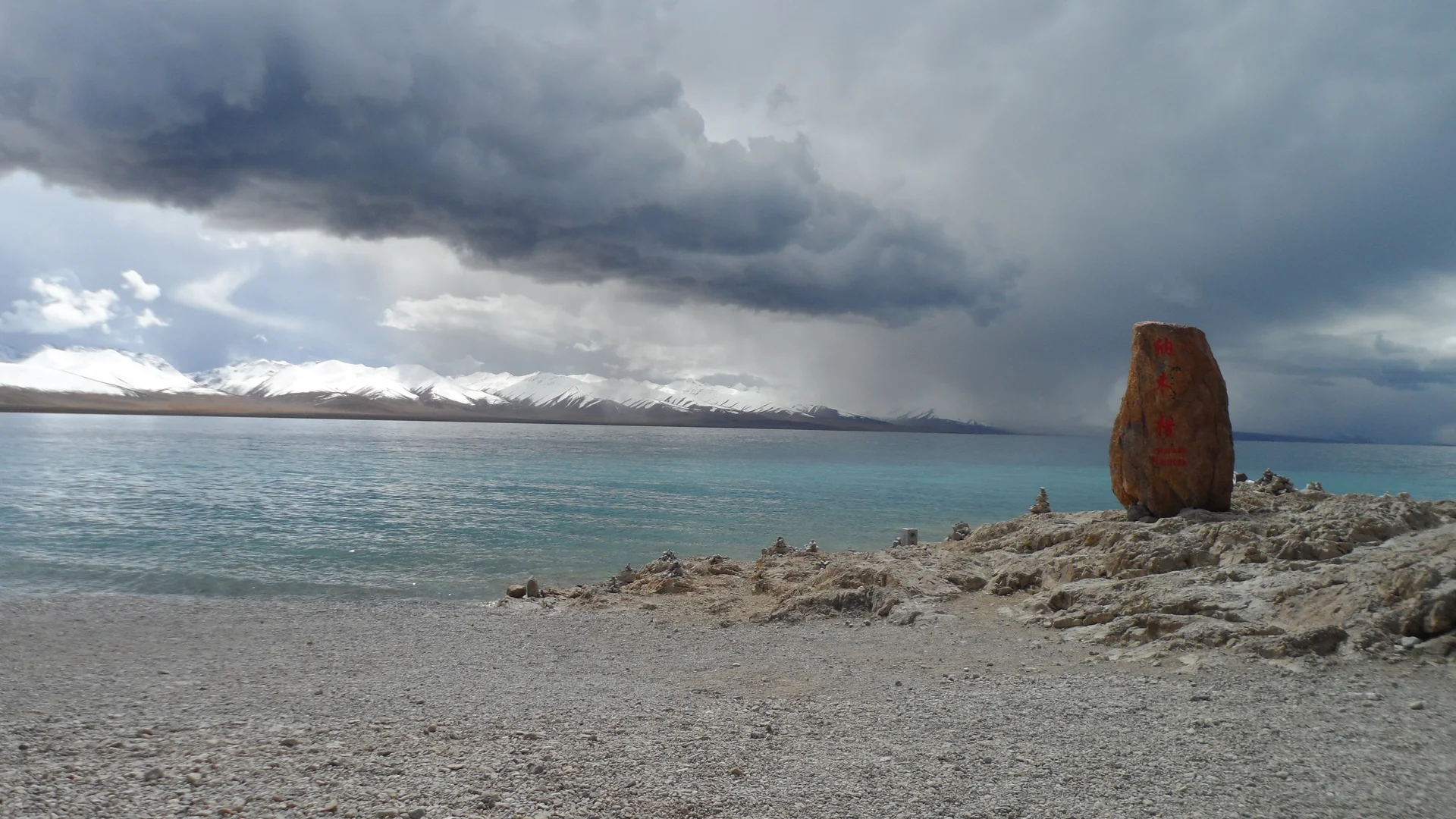
Namtso is one of the easiest Tibet destinations to romanticize. A blue lake at high altitude, broad shorelines, prayer colors, snow peaks, enormous sky. Yet the page gets better when it resists turning the lake into a spiritual screensaver. Namtso works because of scale and exposure. It is a route where altitude, weather, wind, sun, and the sheer length of the outing shape the experience as much as the color of the water.
That matters because first-time visitors often save Namtso for the wrong reason. They imagine one perfect blue frame and assume the rest of the trip is logistics. In practice, the road, the pace from Lhasa, the physical demand of the plateau, and the emotional effect of reaching such an open shoreline are all part of the destination. If the page treats Namtso only as a photo stop, it undersells what actually makes the lake memorable.
Why It Works
First, Namtso has instant visual authority. You do not need much explanation to understand why the lake anchors imagination. Water, sky, distant snow, and empty ground create a scene that feels cleaner and larger than most travelers are used to. That clarity is valuable for preview discovery and just as useful for route planning.
Second, it works because the lake changes the register of a Tibet itinerary. Lhasa explains religion, history, and urban pilgrimage. Namtso explains space. It gives the traveler a different relationship to the plateau: less about enclosure and more about exposure. That contrast is precisely why the stop is worth serious editorial effort.
Third, Namtso rewards planning discipline. If the outing is treated casually, the distance, altitude, wind, and fatigue can flatten it into a long day for one photograph. If it is treated as a deliberate high-altitude route with timing and physical margin, the lake becomes one of the strongest landscape memories in a Tibet journey.
How To Shape The Route
Start by being honest about the day. For many travelers, Namtso is a full outing rather than a spare half-day. The route needs an early start, enough recovery around surrounding days, and a clear decision about whether the visit is a dedicated lake day or part of a broader northern plateau plan. The page should not pretend that distance and altitude are minor details.
The second decision is how hard to push the body. Namtso is not technical hiking, but it is high, open, bright, and exposed. Travelers who arrive from lower altitude and then try to treat the lake like an ordinary scenic stop often strip the destination of its pleasure. Move slower than your ego wants, drink more water than feels necessary, and accept that pauses are part of the route rather than signs of failure.
The third decision is expectation. Namtso is strongest when the traveler wants open shoreline, huge sky, and the emotional effect of the plateau. It is weaker when the traveler insists on one perfect still-water fantasy. Wind can change the lake. Light can flatten or intensify it. Clouds can make the stop brooding instead of radiant. None of that makes the route worse. It makes it real.
What To Prioritize
Prioritize scale. The most useful Namtso images and memories usually come from letting the lake remain large rather than immediately chasing one foreground trick. Shoreline, sky, distant mountains, and the sense of breathing room are the real substance of the destination.
The page should also prioritize daypart and weather over rigid image plans. Good light can sharpen the blues and the snow line. Harder light can make the lake feel more severe. Wind can lift the whole place out of postcard mode and into something more elemental. The premium guidance is not promising one mood. It is telling travelers that multiple moods are still worth the road.
It is also important to prioritize physical realism. Sun protection, layering, hydration, and pacing are not boring footnotes here. They are part of why the lake can feel expansive instead of punishing. A truthful page helps the traveler protect their energy so the destination can land emotionally.
Who Should Save It
Save Namtso if you want one major Tibetan lake experience and are comfortable with the fact that the outing is shaped by altitude, exposure, and weather rather than by guaranteed spectacle. It is strongest for travelers who like open landscapes, long horizons, and routes where the road to the lake matters almost as much as the shore itself.
It is weaker for travelers who want certainty, dislike long high-altitude days, or only value the stop if the water performs exactly like a social-media postcard. Namtso is better approached as a plateau encounter than as a single promised frame.
What To Confirm Before You Go
Before finalizing the visit, confirm current route and entry conditions, weather, your place in the wider altitude progression of the trip, and whether the itinerary gives Namtso enough recovery margin on both sides. The honest promise is simple: Namtso is worth it when the route leaves room for the lake's size, weather, and altitude to shape the day rather than when the traveler tries to overpower all three.
How To Use This Page In The Tools
Namtso should hand off to planning as an exposure-and-pacing problem: build a full lake outing with realistic altitude margin, weather flexibility, and enough time for the shoreline to matter beyond one fast photo stop.
Traveler actions
Save, check in, share, and help other travelers judge whether this place is worth the trip.
Traveler Comments
Share your Namtso Lake — The High-Altitude Blue That Only Works If You Respect Pace And Weather experience
Continue exploring
More in tibet
View all →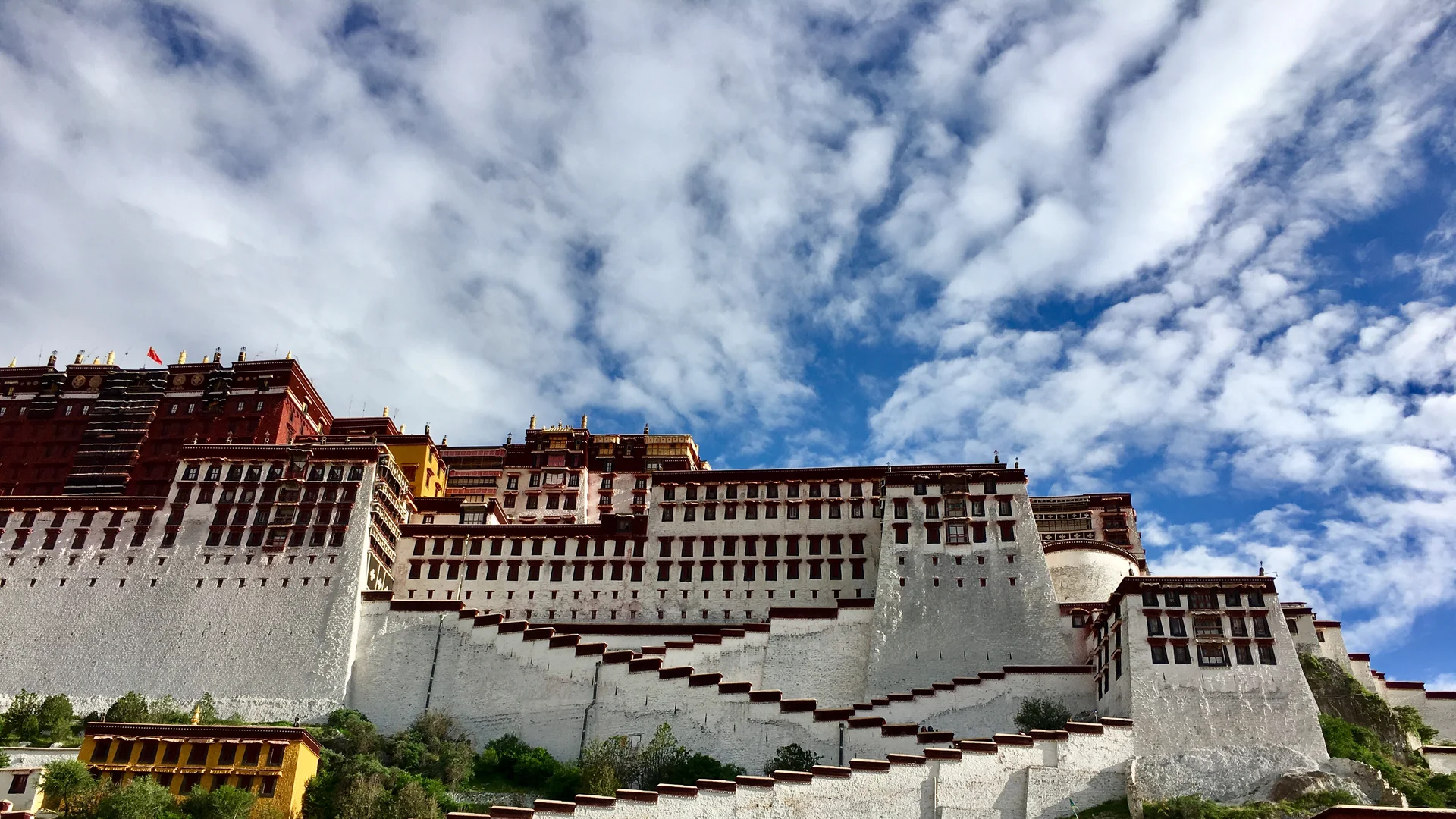 tibet
tibet Potala Palace — The Tibet Landmark That Still Works Through Scale, Altitude, And State-Sacred Theatre
布达拉宫 · Budala Gong
A rights-safe guide to Potala Palace for travelers deciding whether Tibet's best-known landmark deserves focused time, with practical notes on symbolism, altitude, and why the site works best through exterior reading and urban placement rather than through room-by-room palace expectations.
- tibet
- May to October
- Easy
 tibet
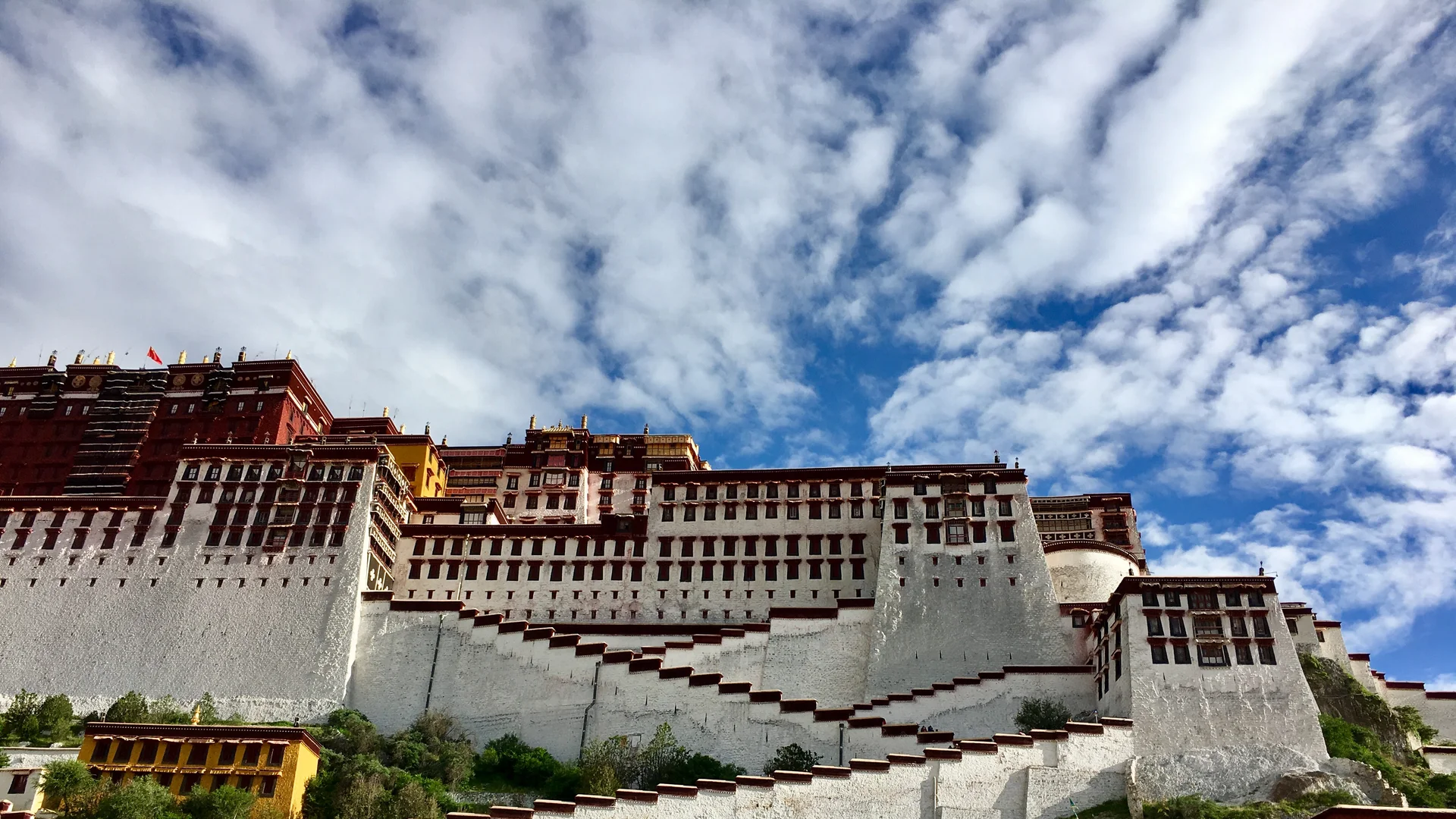
tibet Lhasa City Route — The High-Altitude Capital Where Streets, Pilgrimage, And Monument Scale Still Hold Together
拉萨 · Lasa
A rights-safe guide to Lhasa for travelers deciding how to structure the city's core route, with practical notes on Potala, Jokhang, Barkhor, altitude pacing, and why Lhasa works best when treated as a ritual and urban sequence instead of a one-monument stop.
- tibet
- May to October
- Easy