Quick facts
What to know before you go
Kashgar Old City — The Silk Road Urban Core That Still Rewards Slow Walking is a curated China Hidden Gems destination in Xinjiang, selected for travelers who want the place, timing, effort, and logistics in one scan.
- Administrative location
- Kashgar, Xinjiang
- Chinese name
- 喀什古城 · Kashi Gucheng
- Best season
- April to June and September to October
- Difficulty
- Easy
- Time needed
- Half day to 1 day
- Typical cost
- $$
- Getting there
- Treat Kashgar Old City as a dedicated walking block and time your arrival so the neighborhood reads as a route, not as a rushed transfer stop.
Editorial briefing
Why this place works
A rights-safe guide to Kashgar Old City for travelers deciding how much time the far-west urban core deserves, with practical notes on walking order, bazaar rhythm, gates, and why this stop works best as a living neighborhood route rather than a simplified Silk Road postcard.
Why go
- A rights-safe guide to Kashgar Old City for travelers deciding how much time the far-west urban core deserves, with practical notes on walking order, bazaar rhythm, gates, and why this stop works best as a living neighborhood route rather than a simplified Silk Road postcard.
- Kashgar Old City — The Silk Road Urban Core That Still Rewards Slow Walking gives travelers a concrete reason to plan around Kashgar, xinjiang, not just a generic first-trip city list.
- It is strongest for old city, bazaar, architecture, with enough practical context to compare timing, difficulty, and onward route fit.
Turn this into a trip
Save Kashgar Old City — The Silk Road Urban Core That Still Rewards Slow Walking, then plan around it.
Keep this gem on your device, open it in your bucket list, or start a planner draft with the destination already filled in.
Trip planning intake
Ask whether Kashgar Old City — The Silk Road Urban Core That Still Rewards Slow Walking fits your route.
This is a lightweight planning signal, not an instant concierge. Leave your trip context and a real question, and the team can reply manually after review.
Story visuals
Kashgar Old City — The Silk Road Urban Core That Still Rewards Slow Walking
The Old City That Works Better As A Living Route Than As A Silk Road Fantasy
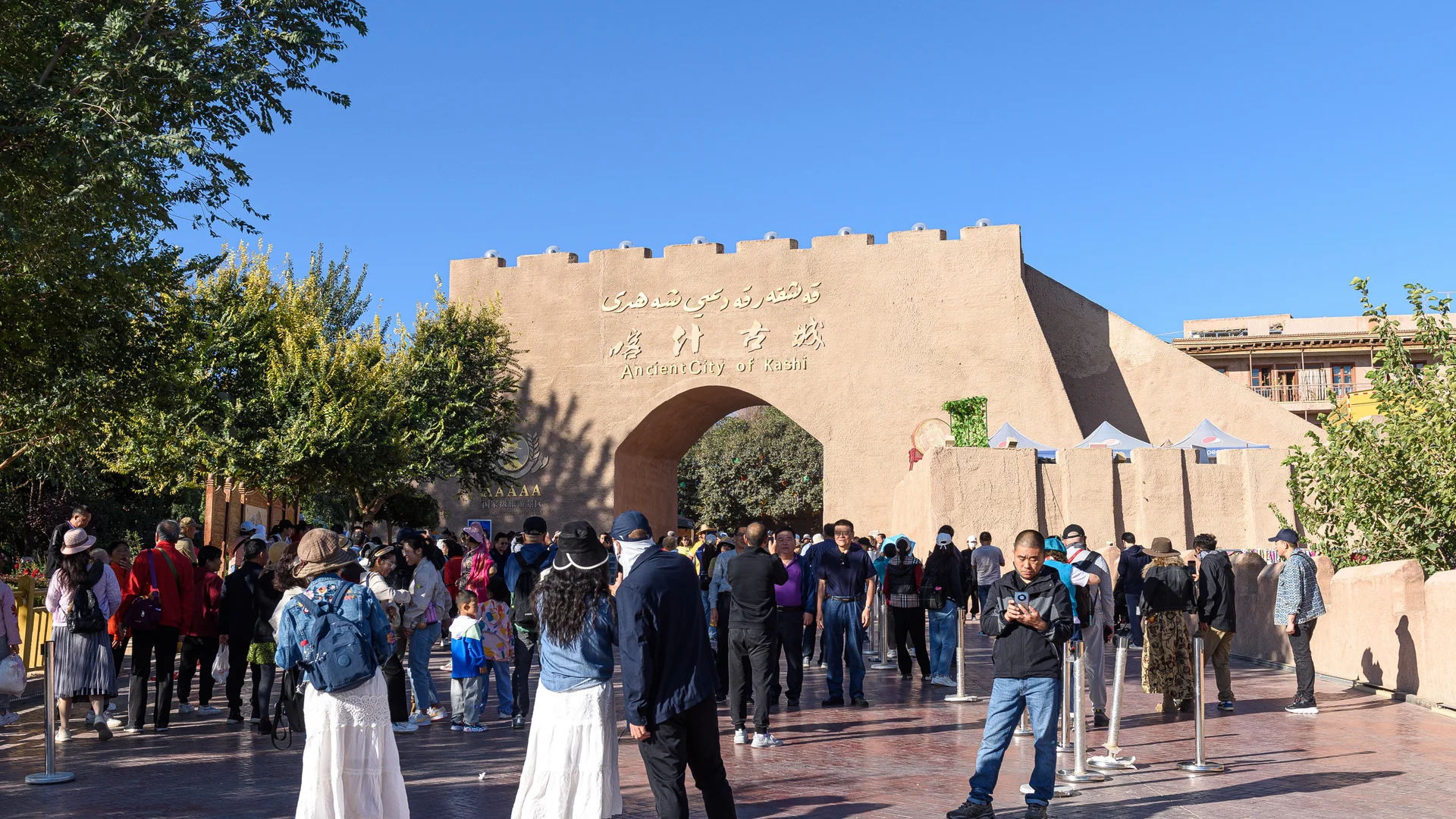
Kashgar Old City is easy to market badly. The temptation is to freeze it into a Silk Road dream: earth-colored lanes, carved doorways, tea, hats, bread, craftsmen, and the idea that history has somehow stopped at the far western edge of China. That framing may help a headline, but it weakens the page. The real reason Kashgar Old City matters is that it still behaves like an urban quarter. Gates, bazaars, courtyards, workshops, and daily movement give the place structure. A serious destination page should help the traveler walk that structure rather than consume it as staged atmosphere.
That distinction is important because Kashgar is not strongest as an isolated postcard. It is strongest as a route through a living neighborhood. You arrive, pass through a gate, move into narrower lanes, let bazaar energy and quieter residential edges alternate, then understand why this stop feels different from a preserved compound elsewhere. The page becomes more trustworthy the moment it stops treating people as scenery and starts treating the old city as a functioning urban environment.
Why It Works
First, Kashgar Old City has immediate identity. Even travelers who know little about Xinjiang can see that the architecture, street rhythm, and bazaar texture are unlike the eastern China destinations that usually anchor first itineraries. That makes it valuable for discovery. The old city does not need much explanation before it lands visually.
Second, it works because the route is legible. Entry gates, market streets, squares, and smaller lanes give the visitor a natural walking spine. You do not have to invent an itinerary from scratch. The practical job is sequencing: when to hit the busier commercial corridors, when to peel off into quieter texture, and when to stop moving fast enough for the neighborhood to read as more than a backdrop.
Third, the destination adds a kind of urban depth that Preview needs. Much of the current pool is driven by landscapes, heritage compounds, or single iconic views. Kashgar is different. Its value lies in atmosphere, human scale, and the friction between landmarked tourism and everyday street life. That makes it a strong anchor for the far west.
How To Shape The Route
Start with the old city as a dedicated walking block rather than a token stop attached to long-distance transport. Kashgar can feel deceptively simple on the map, but the point is not speed. The point is to let gates, bazaars, and lane networks reveal themselves in sequence. A half day can work if it is focused. A fuller day is better if the itinerary allows it.
The next decision is whether the visit is monument-first or street-first. Monument-first can reduce Kashgar to performances, gates, and designated viewpoints. Street-first usually produces a stronger day. That does not mean wandering without structure. It means using the gates and key commercial points as anchors while leaving room for ordinary urban texture to do the real work.
Daypart matters here. Morning can give cleaner walking and better attention to architecture. Later hours can make the commercial energy thicker. Neither is wrong, but the route should decide what it wants: calm legibility or denser bazaar life. A strong page names that choice instead of pretending the old city delivers the same experience all day.
What To Prioritize
Prioritize lanes that still feel inhabited, not just the spots that photograph most easily. Kashgar gets thinner when every decision is made for the sake of one decorative frame. It gets better when the traveler notices workshops, bread ovens, tea stops, storefront rhythms, and the shifts between wider commercial streets and smaller side passages.
The page should also prioritize respect. This is not a costume district and not a human zoo. The premium difference is not just better prose. It is better framing. The guide should help travelers move through the neighborhood attentively and without turning residents into content.
It is also worth prioritizing one or two strong commercial nodes rather than trying to hit every named point. The old city works through accumulation. Gates, arches, hats, breads, and facades are most powerful when they reinforce one another across a slow walk rather than when they become a rushed checklist.
Who Should Save It
Save Kashgar Old City if you like walking cities, market texture, architecture with everyday use still attached to it, and destinations whose reward comes from pace rather than from one grand reveal. It is especially strong for travelers who want a far-west China stop with immediate cultural and visual identity.
It is weaker for travelers who need solitude, dislike dense street life, or only want a simplified heritage spectacle. Kashgar is worth the effort when the traveler is willing to read it as a neighborhood first and an icon second.
What To Confirm Before You Go
Before finalizing the route, confirm current old-city access patterns, any managed performance or gate-timing changes, and your transport arrival into Kashgar so the walk starts at the right hour rather than in exhaustion. The honest promise is simple: Kashgar Old City is strongest when the traveler gives it enough time to behave like a real urban quarter rather than forcing it into a Silk Road postcard.
How To Use This Page In The Tools
Kashgar Old City should hand off to planning as a walking-order question: build one old-city block around gates, bazaar streets, tea or bread pauses, and enough unhurried lane time for the neighborhood to read as more than a photo stop.
Traveler actions
Save, check in, share, and help other travelers judge whether this place is worth the trip.
Traveler Comments
Share your Kashgar Old City — The Silk Road Urban Core That Still Rewards Slow Walking experience
Continue exploring
More in xinjiang
View all →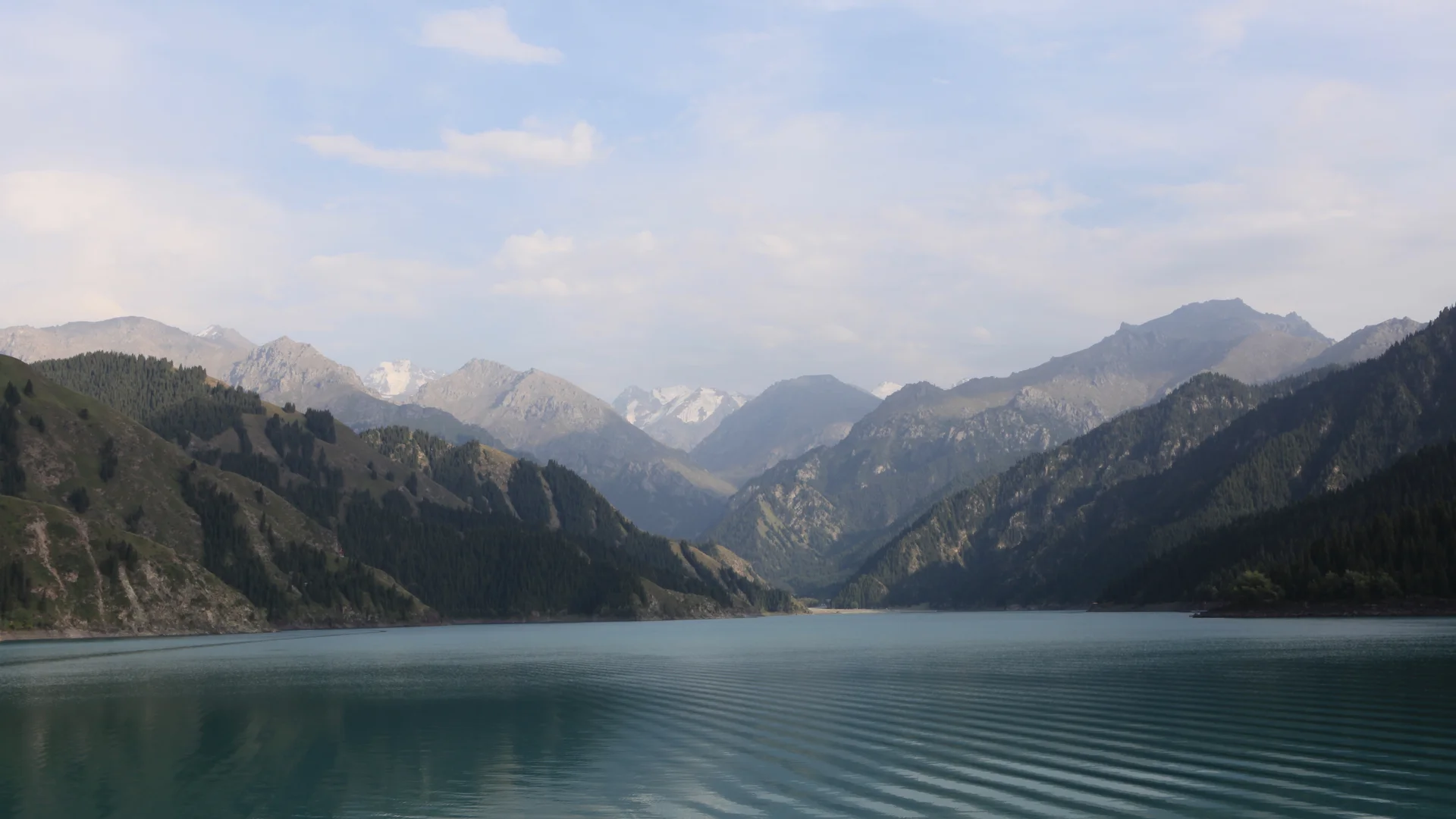 xinjiang
 Tianshan Tianchi — The Xinjiang Lake Route That Works Through Water, Snowline, And Highland Contrast
天山天池 · Tianshan Tianchi
A rights-safe guide to Tianshan Tianchi for travelers deciding whether this Xinjiang alpine lake deserves separate time, with practical notes on route focus, weather clarity, and why Tianchi works best as a mountain-lake composition rather than as a generic scenic bus stop.
- xinjiang
- June to September
- Easy
 xinjiang
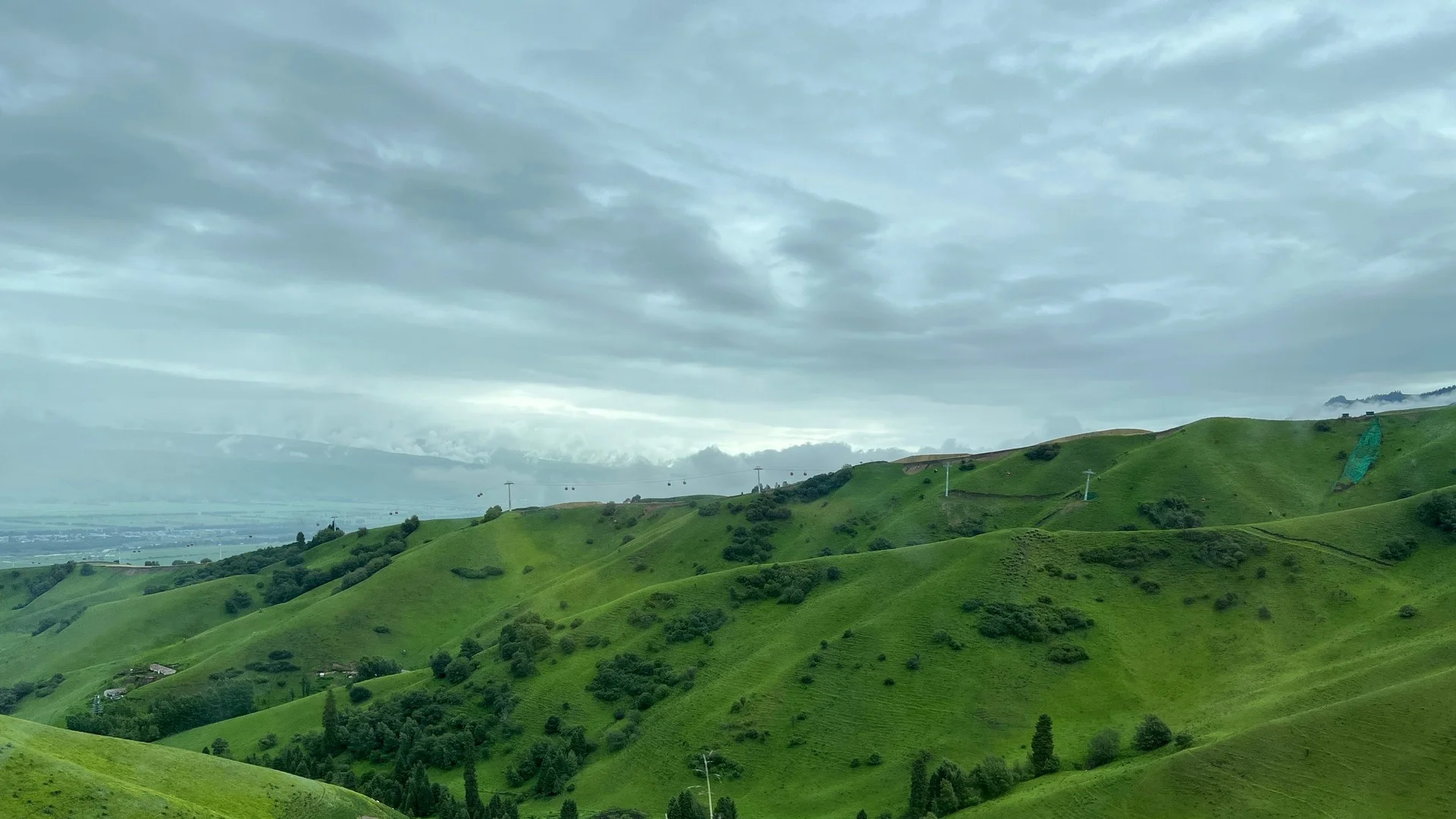
 Nalati Grassland — The Sky Meadow Route That Needs Distance, Light, And Restraint
那拉提草原 · Nalati Caoyuan
A rights-safe guide to Nalati Grassland for travelers deciding whether Xinjiang's famous sky meadow deserves a dedicated route block, with practical notes on distance, light, grassland scale, and why Nalati works best when treated as a broad meadow route instead of a horse-photo cliché.
- xinjiang
- June to September
- Easy