Quick facts
What to know before you go
Yuanyang Rice Terraces — The Living Hani Landscape That Works Through Light, Water, And Village Continuity is a curated China Hidden Gems destination in Yunnan, selected for travelers who want the place, timing, effort, and logistics in one scan.
- Administrative location
- Yuanyang County, Yunnan
- Chinese name
- 元阳梯田 · Yuanyang Titian
- Best season
- December to March
- Difficulty
- Easy
- Time needed
- Full day
- Typical cost
- $$
- Getting there
- Treat Yuanyang as a terrace-system route that depends on early starts, viewpoint discipline, and enough time to read villages and light conditions together.
Editorial briefing
Why this place works
A rights-safe guide to Yuanyang Rice Terraces for travelers deciding whether this Hani cultural landscape deserves a dedicated Yunnan detour, with practical notes on season, viewpoint discipline, and why Yuanyang works best as a living terrace system rather than a one-shot sunrise hunt.
Why go
- A rights-safe guide to Yuanyang Rice Terraces for travelers deciding whether this Hani cultural landscape deserves a dedicated Yunnan detour, with practical notes on season, viewpoint discipline, and why Yuanyang works best as a living terrace system rather than a one-shot sunrise hunt.
- Yuanyang Rice Terraces — The Living Hani Landscape That Works Through Light, Water, And Village Continuity gives travelers a concrete reason to plan around Yuanyang County, yunnan, not just a generic first-trip city list.
- It is strongest for rice terraces, hani culture, world heritage, with enough practical context to compare timing, difficulty, and onward route fit.
Turn this into a trip
Save Yuanyang Rice Terraces — The Living Hani Landscape That Works Through Light, Water, And Village Continuity, then plan around it.
Keep this gem on your device, open it in your bucket list, or start a planner draft with the destination already filled in.
Trip planning intake
Ask whether Yuanyang Rice Terraces — The Living Hani Landscape That Works Through Light, Water, And Village Continuity fits your route.
This is a lightweight planning signal, not an instant concierge. Leave your trip context and a real question, and the team can reply manually after review.
Story visuals
Yuanyang Rice Terraces — The Living Hani Landscape That Works Through Light, Water, And Village Continuity
The Terrace Destination That Only Opens Properly When You Treat It As A Living System
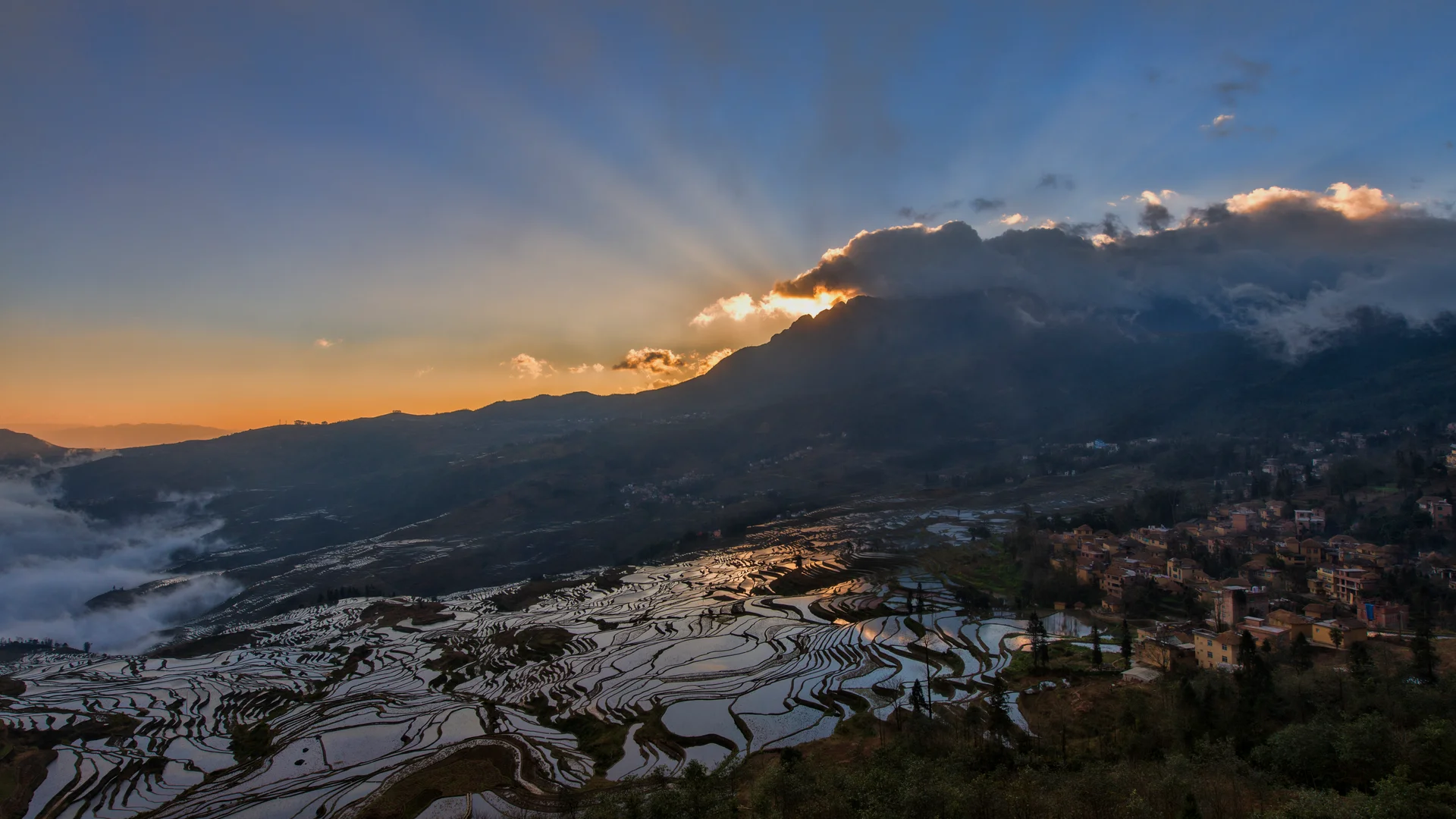
Yuanyang is easy to admire and easy to misunderstand. The first layer is obvious: terraced fields catching light, water reflecting sky, slopes folding into one another until the land feels almost hand-stitched. But if the traveler treats the destination as nothing more than a sunrise viewpoint collection, Yuanyang becomes narrower than it should be. The real strength of the place lies in the fact that it is a living cultural landscape. Forest, water channels, villages, terraces, and agricultural rhythm still belong to one another.
That distinction matters because many visually famous landscapes are consumed through a single photographic promise. Yuanyang resists that. The terraces change with season, with water level, with cloud, with harvest cycle, and with where the traveler stands in relation to the villages that maintain them. A premium page should protect this complexity instead of flattening the site into a simple "best viewpoint" list.
This also makes Yuanyang a highly useful Yunnan Tier B page. Shangri-La already gives the province altitude-town and Tibetan-borderland atmosphere. Tiger Leaping Gorge gives it a canyon-route logic. Yuanyang adds something different: a living agricultural landscape where beauty, labor, ecology, and settlement are still visibly connected. That is not just scenic variation. It is a different kind of destination intelligence.
Why It Works
First, the terrace system has genuine visual power at multiple scales. From distance, Yuanyang reads as a mountain-sized pattern of water and contour. Up closer, the place becomes about edge lines, retaining curves, narrow channels, and the surprisingly fine-grained craftsmanship of the fields themselves. That multi-scalar readability is one reason the landscape remains compelling over a full day instead of collapsing after one lookout.
Second, Yuanyang carries cultural depth that does not feel bolted on. The terraces are not decorative scenery that happens to sit near villages. They are the expression of a long-lived Hani land-management system. Once the traveler understands that the villages, forests, and water distribution are part of the same working landscape, the site becomes more meaningful and more defensible.
Third, the destination changes substantially with season and light. Flooded-terrace periods, sunrise reflections, cloud movement, and late-day warmth can all alter the emotional read of the same slopes. This is a strength, but only if the page tells the truth: Yuanyang rewards timing and patience more than simple arrival.
A fourth reason it works is that it resists instant consumption. You usually need to move between viewpoints, accept changing weather, and think about village context to get the best out of the place. That creates a stronger travel memory than destinations that are exhausted by one quick panorama.
How To Shape The Visit
Start by deciding whether the trip is season-first or photo-first. Season-first is the stronger route. Flooded terraces, planting cycles, and atmospheric conditions matter so much that the destination becomes easier to understand when you begin with landscape state rather than with one promised image.
The second decision is how many viewpoints you actually need. Some travelers make the mistake of trying to "collect" every famous terrace platform in one rushed circuit. That often leaves the site feeling fragmented. Yuanyang is usually better when you choose a smaller number of meaningful stops and give yourself enough time to watch how light and weather change them.
The third decision is whether you are reading only the fields or the terrace-village system. The stronger visit includes both. Villages are not optional background here. They help explain why the terraces exist, how the landscape is maintained, and why Yuanyang is better understood as living heritage instead of scenic abstraction.
A fourth decision is base strategy. Travelers need to think carefully about where they sleep, how early they move, and how much road time they are willing to absorb. The page should treat this as serious route design, not as an afterthought, because logistics and light are closely linked in Yuanyang.
What To Prioritize
Prioritize seasonality. Yuanyang is one of those destinations where the state of the landscape is part of the destination itself.
Prioritize the relation between forest, village, and terrace too. Once you see the broader system, the place becomes richer than a simple viewpoint sequence.
It is also worth prioritizing patience. Light can transform the terraces quickly, but only for travelers who actually give the landscape time.
A final priority is protecting honesty around effort. Yuanyang is not the hardest destination in China, but it does ask for early starts, careful timing, and some tolerance for variable conditions. The page should say that clearly.
What Can Go Wrong
The first mistake is treating Yuanyang as a one-sunrise errand. That often leaves the traveler with a strong photo but a weak understanding of the place.
Another mistake is arriving in the wrong season for the experience you actually want and then blaming the site for not matching a different seasonal image.
The third mistake is ignoring village context and turning the terraces into pure scenery. That strips the destination of the very living-heritage logic that makes it special.
Who Should Save It
Save Yuanyang if you care about terraced landscapes, agricultural heritage, changing light, and places where human settlement and ecology are visibly interdependent. It is especially strong for travelers who want a Yunnan page with real cultural and environmental complexity, not just postcard drama.
It is weaker for travelers who need low-variance conditions, dislike early starts, or only want one easy iconic frame. Yuanyang is worth it when the traveler is willing to let season, water, and village continuity shape the itinerary.
What To Confirm Before You Go
Before finalizing the trip, confirm which season and light conditions you actually want, decide how many viewpoints you can cover without rushing, and choose a base that supports early movement. The honest promise is simple: Yuanyang is rewarding when you approach it as a living terrace system, not as a single shot of reflected sky.
Traveler actions
Save, check in, share, and help other travelers judge whether this place is worth the trip.
Traveler Comments
Share your Yuanyang Rice Terraces — The Living Hani Landscape That Works Through Light, Water, And Village Continuity experience
Continue exploring
More in yunnan
View all →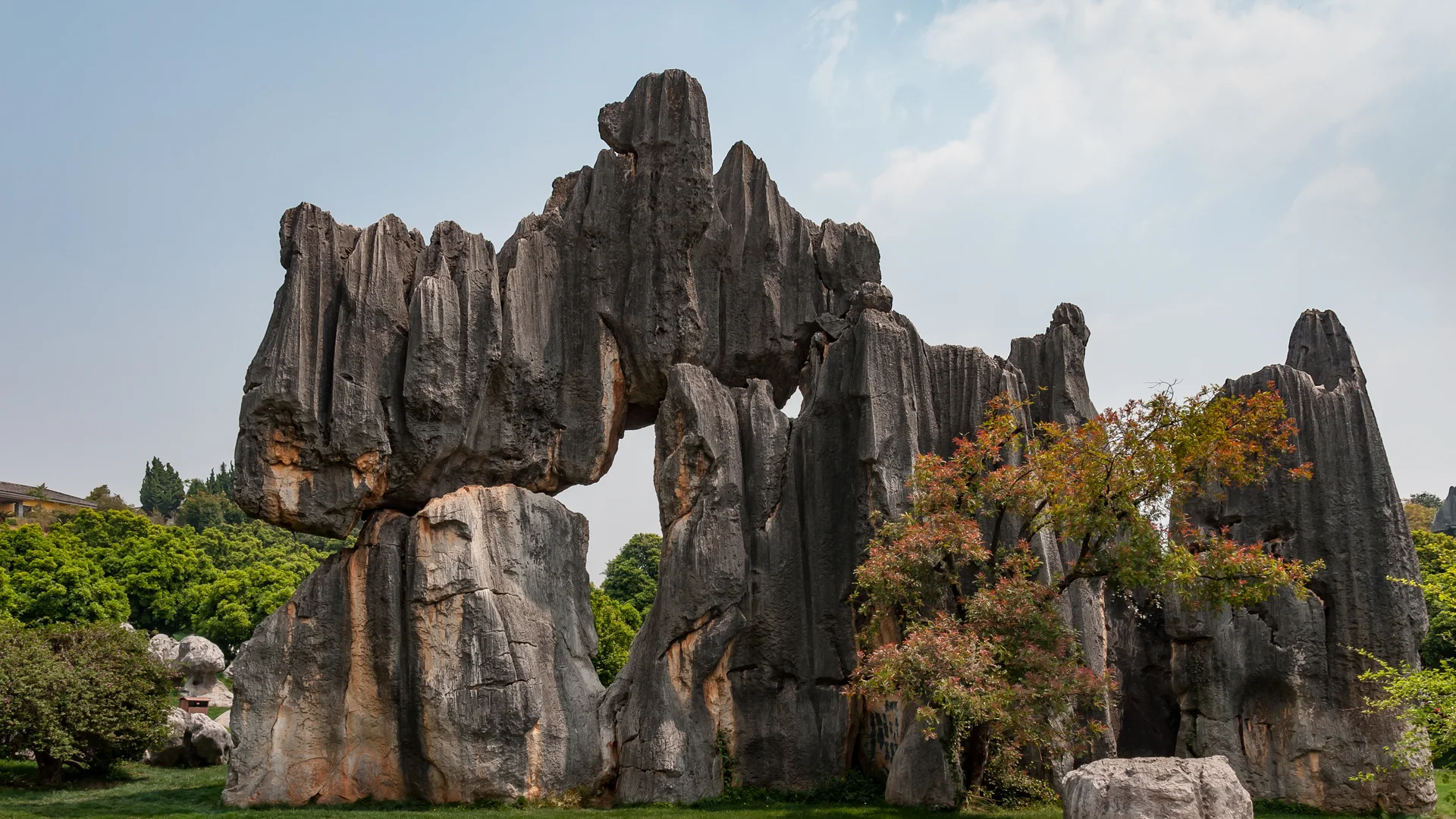 yunnan
 Stone Forest — The Yunnan Karst Maze That Works Through Geometry, Not Lush Scenery
石林 · Shilin
A rights-safe guide to Stone Forest for travelers deciding whether this Yunnan world-heritage karst stop deserves a separate trip, with practical notes on route reading, shape recognition, and why the site works best as a stone-geometry landscape rather than as a generic scenic park.
- yunnan
- March to May and September to November
- Easy
 yunnan
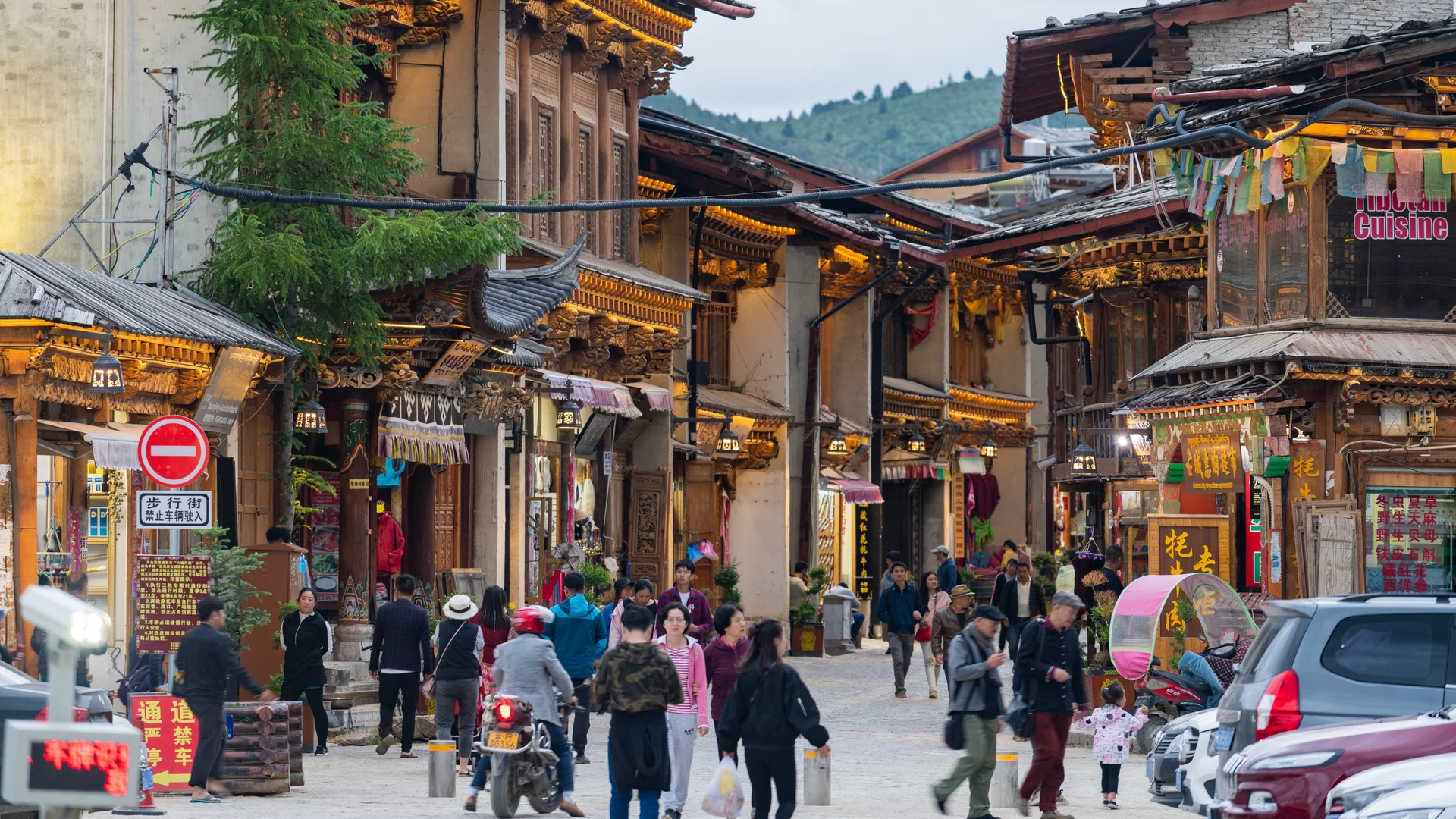
 Shangri-La — The Highland Base Where Old Town And Monastery Finally Make Sense Together
香格里拉 · Shangri-La
A rights-safe guide to Shangri-La for travelers deciding how to use Dukezong Old Town and Songzanlin Monastery as a real highland base, with practical notes on altitude, pacing, light, and why this stop works best when it slows the route down instead of pretending to be a fantasy slogan.
- yunnan
- May to October
- Easy
 yunnan
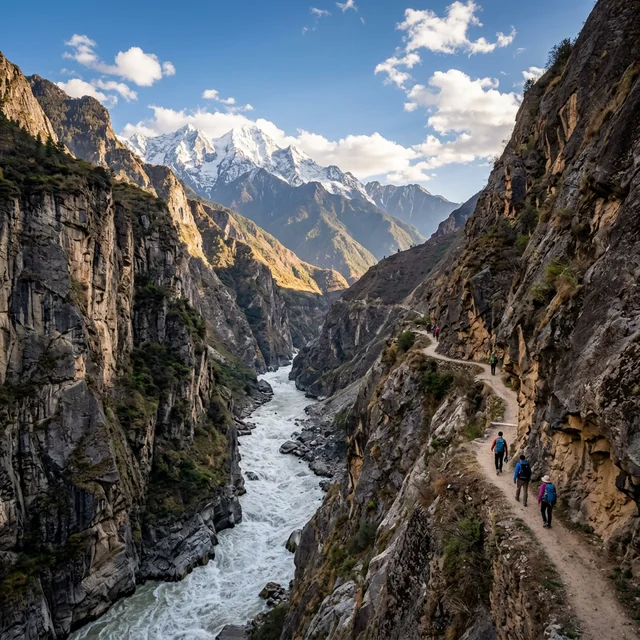
 Tiger Leaping Gorge
虎跳峡 · Hutiaoxia
One of the deepest gorges on Earth, where the Yangtze River squeezes through a gap narrow enough for a tiger to leap across. A 2-day trek with 2,000-meter cliff walls.
- yunnan
- May – Jun, Sep – Nov
- Challenging