Photography Rules & Drone Laws in China
Where you can fly drones, what you absolutely cannot photograph, and tips for street photography.
The safe photography rule
If a place looks official, sensitive, religious, military, or security-related, do not photograph it unless signs or staff clearly allow it. China is visually rich; you do not need risky shots to get great images.
Usually fine
- Streets, food, markets, skylines, parks, landscapes, and most scenic areas.
- Museum exteriors and public plazas when no signs say otherwise.
- Train stations from normal public areas, without focusing on security processes.
- Personal travel photos in old towns and tourist streets.
Avoid or ask first
- Military, police, border, customs, and security checkpoints.
- Government compounds and guarded facilities.
- Port inspection areas and immigration counters.
- Religious rituals, monks, worshippers, and private ceremonies.
- Children and close portraits of strangers.
- Museum interiors where flash or photography is restricted.
Drone caution
Drone rules are local, technical, and enforcement-sensitive. Many scenic areas, cities, airports, border regions, heritage sites, and public events restrict flights. Do not assume a drone is allowed because you see aerial footage online. Check aviation, local, and scenic-area rules before carrying or flying.
Street photography etiquette
Smile, gesture, and ask when shooting close. If someone says no or waves you away, stop immediately. In markets and small shops, buy something if you spend time photographing the scene.
Best practice
Carry a compact setup, avoid blocking traffic, and prioritize patience over spectacle. The strongest China photos often come from timing, light, and everyday detail, not from restricted viewpoints.
Explore Related Gems
Curated picks based on Culture & Etiquette
 jiangsu
Featured
jiangsu
Featured
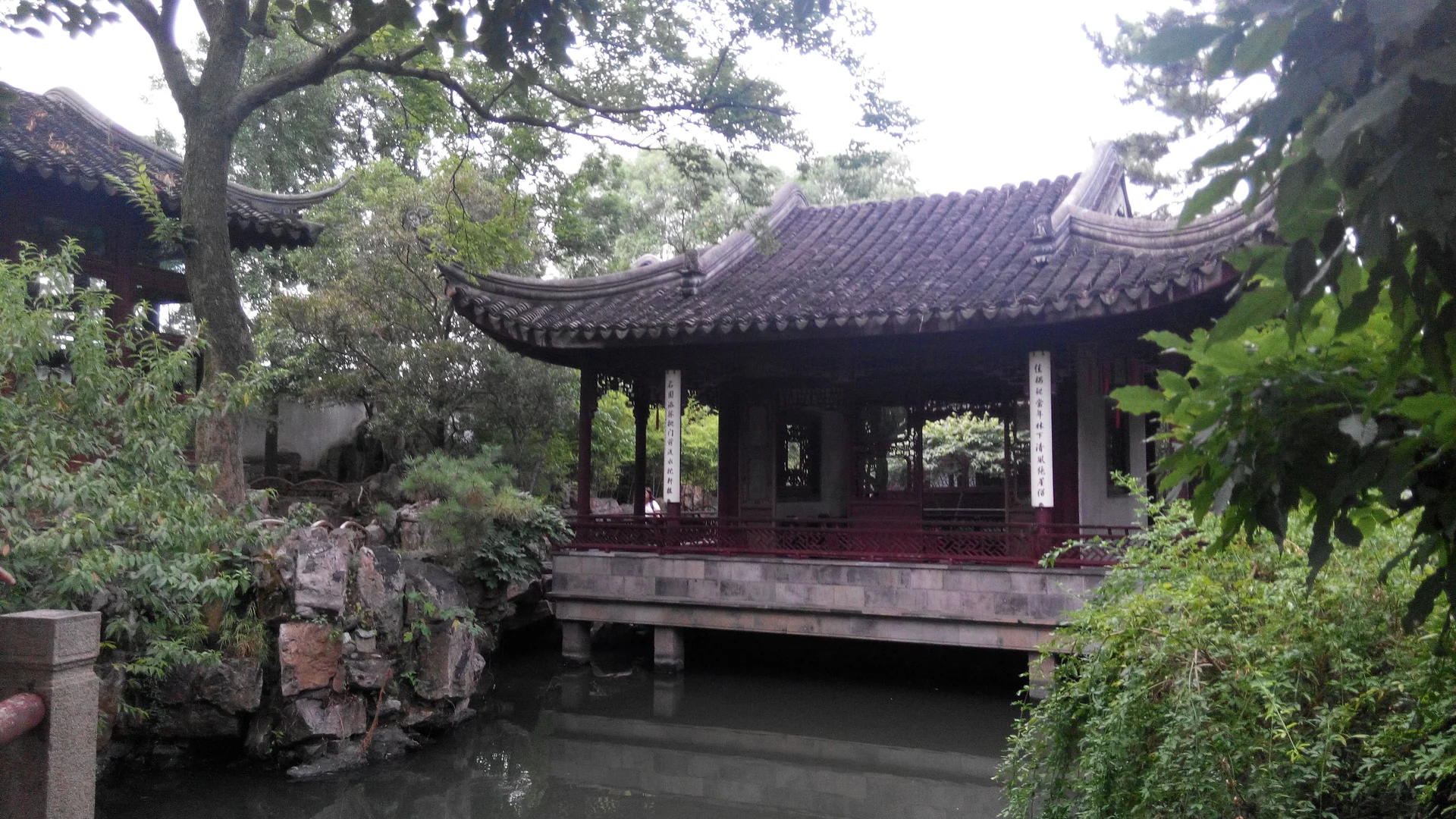
Suzhou Classical Gardens — The Scholar Landscapes That Reward Precision, Not Speed
苏州古典园林 · Suzhou Gudian Yuanlin
A rights-safe guide to Suzhou's classical gardens for travelers deciding how many gardens to visit and in what rhythm, with honest notes on Humble Administrator's Garden, why one compact second garden matters more than chasing volume, and how to keep the day from collapsing into pretty but shallow overload.
- jiangsu
- March to May and September to November
- Easy
- Visual verified
 hebei
Featured
hebei
Featured
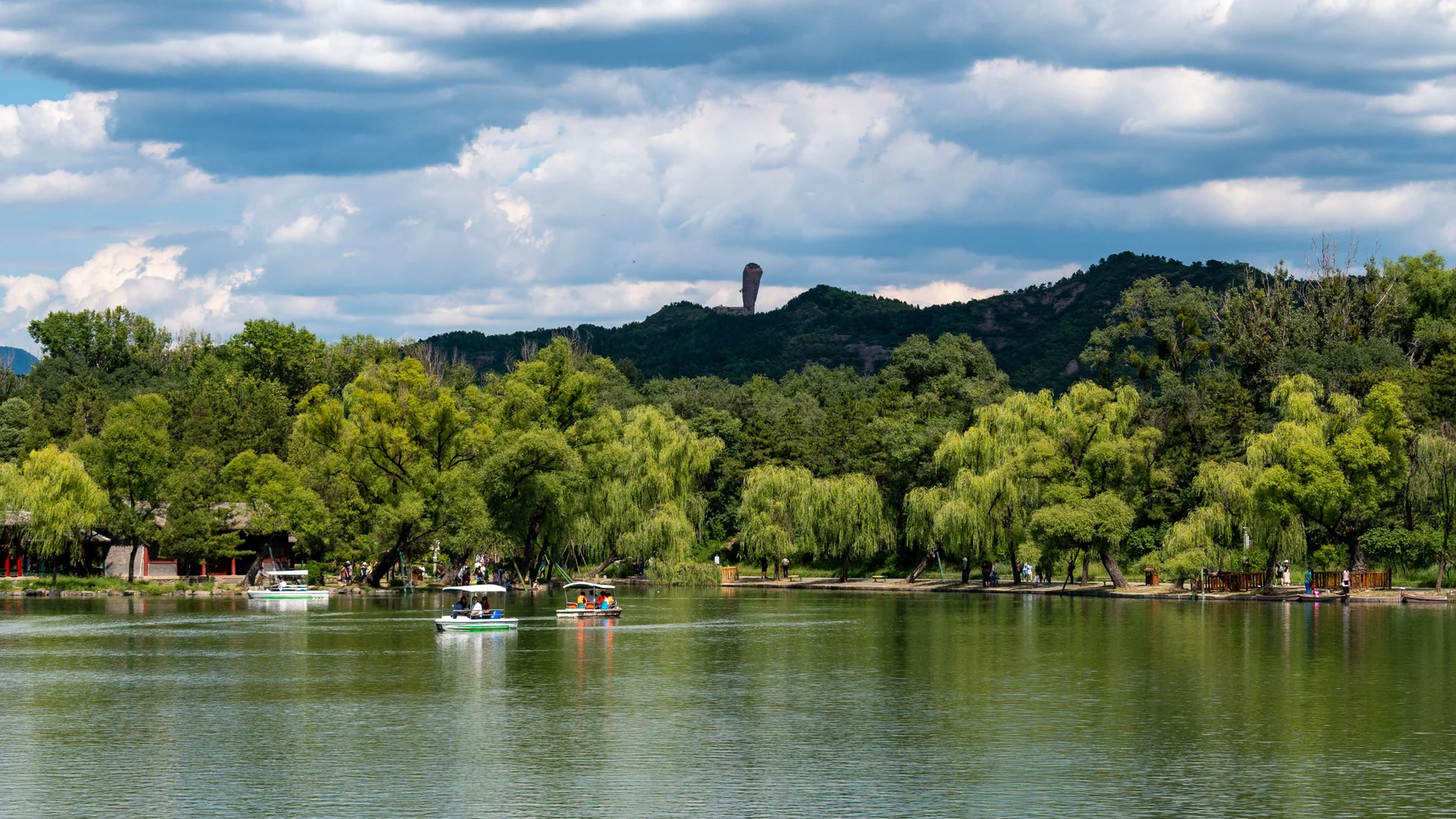
Chengde Mountain Resort — The Imperial Summer Landscape That Makes Qing Power Legible
避暑山庄 · Bishu Shanzhuang
A rights-safe guide to Chengde Mountain Resort for travelers planning either one long heritage day or a slower two-day route, with honest notes on the palace zone, the outer temples, internal scale, and why Chengde only makes sense when you read it as a Qing imperial landscape rather than a simple summer palace.
- hebei
- May to October
- Easy
- Visual verified